
Quick Wins for Your Credit Score
- Keep Old Accounts Open: Your credit age is a major factor; closing old cards damages your history.
- Master the Utilization Ratio: Aim to keep your credit card balances below 30% of your total limit at all times.
- Don't Let Utility Bills Slip: Even small unpaid utility bills can be reported to collections and hurt your score.
- Be Proactive with Disputes: You have the legal right to challenge errors on your report—do it yourself for free.
The Hidden Frustration of a Falling Credit Score
Credit scores often feel like a secret code that banks keep hidden just to see us stumble. I remember standing in a car dealership, feeling completely blindsided when a loan officer denied my application despite my history of "responsible" spending. That moment of frustration led me down a rabbit hole to understand why the system works the way it does—and today, I am going to share those hard-earned lessons with you so you never have to feel that gut punch again.

You work hard every single day. You save your money. You avoid unnecessary debt. By all accounts, you are doing everything "right" when it comes to your money.
Then, you decide it is time for a change. You apply for a new apartment or a car loan for your family. You feel confident. You expect a quick "yes" from the bank.
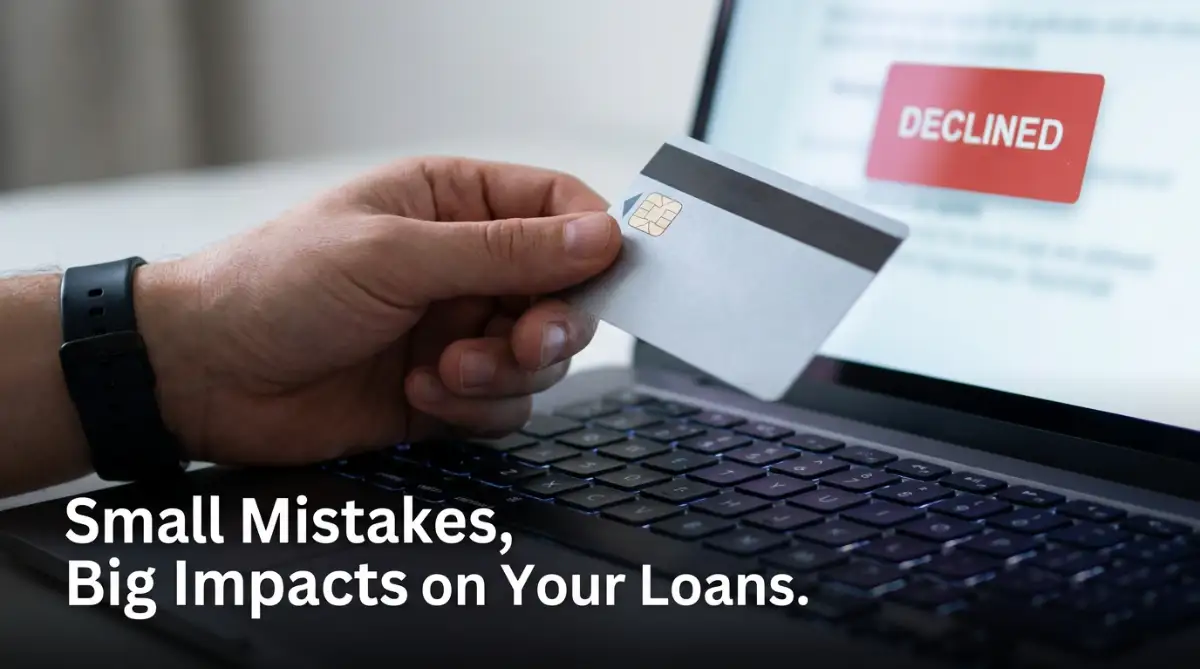
But instead, you get a rejection letter. Or worse, they offer you an interest rate that is so high it feels like a punch in the gut. You check your credit report and see the numbers dropping.
You feel confused and hurt. How can this happen when you are being so careful? It feels like the system is rigged against you.
The truth is, many people suffer in silence because of this. You might be losing sleep, wondering if you will ever be able to buy that dream home. The stress of financial uncertainty can strain your relationships and your health.
But I want you to know that you are not alone. And more importantly, it is probably not your fault. You are likely just following old habits that used to work but don't anymore.
We are going to look at these silent killers together. We will find out exactly what is happening behind the scenes. You can take control back today.
The "Clean Slate" Trap: Why Closing Old Accounts Hurts
Many people believe that "cleaning up" their finances means closing old credit cards. You might think, "I don't use this card anymore, so I should just get rid of it." This seems like a logical way to stay organized.
In reality, this habit can cause a sudden drop in your score. Your credit history length matters. The credit bureaus want to see that you can manage accounts over a long period.
When you close an old account, you shorten your average credit age. Think of it like a resume. A job history of ten years looks better than a history of two years.
Also, closing a card reduces your total available credit. This makes your "credit utilization ratio" look higher than it really is. This ratio is a huge part of your overall score.
I once made the huge mistake of closing my very first credit card just to "stay organized." My score dropped 40 points almost overnight because I accidentally erased years of my own history. Now, I tell everyone to keep those old accounts alive; even if you don't use them, they are the secret to keeping your score high.
Expert Insight : If the card has no annual fee, keep it open. Put a small recurring charge on it, like a cheap streaming service. Set it to auto-pay and then forget about it.
The Myth of the "Zero Balance" Strategy
You might think that having a zero balance on every card at all times is the best way to look good. While staying out of debt is great, a "thin file" can be a problem.
If you never use credit, the scoring models have no data to track. They can't tell if you are a responsible borrower or a risky one. It is a bit like a student who never takes a test.
The teacher cannot give them an A because there is no proof of knowledge. To have a high score, you must show active, responsible use.
Instead of keeping cards at zero, try to show a small balance each month. The key is to pay it off in full before the due date. This shows you are active but not struggling.
The Danger of Co-signing for Friends and Family
We all want to be helpful. When a brother or a close friend asks you to co-sign a loan, it feels like the right thing to do. You trust them, and you want them to succeed.
However, co-signing is a major financial risk that many people ignore. When you sign that paper, you are 100% responsible for that debt.
If your friend misses a single payment, your credit score takes the hit. You might not even know they missed the payment until you see your score tank.
Furthermore, that loan shows up on your credit report as your debt. If you try to get a loan for yourself, the bank sees that you are already "on the hook" for another person’s money.
Pro Tip: Never co-sign unless you are prepared to pay the entire loan yourself. If you can’t afford to lose that money, don’t sign the paper.
The Silent Impact of "Small" Credit Inquiries
Have you ever been at a store and the cashier offered you a 10% discount if you open a store credit card? It sounds like a great deal. You might think, "It’s just one little card, it won't hurt."
But these "hard inquiries" add up very quickly. Each time a lender pulls your credit report, your score can drop by several points.
If you apply for several store cards within a few months, it looks like you are desperate for money. This signals "high risk" to the credit bureaus.
📊 The Breakdown of Impact:
🔹 Single Inquiry
- Impact: Low
- Duration: 1 Year (visible for 2 years)
🔹 Multiple Inquiries (3+)
- Impact: Medium to High
- Duration: Varies
🔹 Store Card Application
- Impact: Low to Medium
- Duration: Short-term
💡 The Bottom Line:
Be very selective about where you apply. Only open new accounts when it is absolutely necessary for your long-term financial goals
Beyond just managing your credit score, you need to understand how banks actually decide whether to lend to you. Many people focus so much on the score that they miss the bigger picture of how lenders analyze their overall stability. To get a complete view of how to position yourself as a low-risk borrower, I highly recommend checking out The Ultimate Roadmap to Understanding Loan Evaluation Processes. It breaks down exactly what underwriters look for behind the scenes, so you can stop guessing and start getting approved.
The High Cost of the "Minimum Payment" Habit
"Wait! If you feel like your debt is stuck even though you pay on time, watch this short video to see exactly how to break the cycle and boost your score today. Once you see the math, the rest of this guide will make even more sense!"
Paying the minimum amount due on your credit card feels like you are being responsible. After all, you are paying on time, right?
While this protects you from late fees, it can quietly destroy your credit score. If you only pay the minimum, your balance stays high because of interest.
This leads to a high credit utilization ratio. If you have a $1,000 limit and you keep a $900 balance, you are using 90% of your credit.
Credit bureaus prefer to see you using less than 30%. If you stay at 90%, it looks like you are living on borrowed money.
Even if you never miss a payment, that high balance makes you look unstable. Try to pay more than the minimum whenever possible to bring that ratio down.
The Mystery of the Missing Utility Payments
Many people pay their rent, phone bill, and electricity on time for decades. They think this is building their credit score.
Traditionally, this is a myth. Most utility companies do not report your "good" payments to the credit bureaus. They only report the "bad" ones—when you fail to pay.
This is unfair, but it is how the system has worked for a long time. However, there are now ways to fix this.
You can use services that allow you to add these "alternative" payments to your report. This is especially helpful for people who are just starting out or rebuilding.
Action Step: Look into tools like "Credit Boost" programs. These can help your on-time rent and utility payments count toward your score.
The Oversight of the Annual Credit Review
When was the last time you actually read your full credit report? Not just checking the score on an app, but reading the whole document?
Errors are more common than you think. Mistakes in your name, old addresses, or even debts that don't belong to you can appear.
If you don't catch these errors, they will sit there and pull your score down for years. It is like having a leak in your boat that you never look at.
You are entitled to a free report from each major bureau every year. Set a reminder on your phone to check it every six months.
If you find something wrong, dispute it immediately. It is your right, and it is the fastest way to see a jump in your score.
Understanding the Psychology of Spending
The credit system does not care about your intentions. It only cares about patterns and math.
We need to shift our mindset. Instead of thinking about "money," we need to think about "data." Every financial move you make is a piece of data sent to the bureaus.
When you see it this way, it becomes easier to make the right choices. You stop looking at the 10% discount and start looking at the long-term health of your score.
Small Changes for Huge Results
Improving your credit does not require a miracle. It requires consistency.
You don't need to be a millionaire to have a perfect score. You just need to understand the rules of the game.
Stop closing those old accounts today. Start paying a little bit more than the minimum. Check your report for errors this weekend.
These small steps will compound over time. Before you know it, that rejection letter will turn into an approval. You will have the power to choose the life you want.
You have worked too hard to let silent habits hold you back. Take these lessons and start your journey toward a better score today. Your future self will thank you for the effort you put in now.
Remember, your credit score is a tool. It should work for you, not against you. By removing these seven habits, you are sharpening that tool for a brighter financial future.
Master the Game: Expert Strategies for a Perfect Credit Profile
Improving your credit score is about more than just paying bills on time. Once you have fixed the basic habits, you need to look at the advanced moves.
Think of your credit score like a professional athlete’s performance data. The basics get you on the team, but the advanced details make you a star.
One of the most powerful secrets is the "Statement Closing Date" trick. Most people focus on the "Due Date," but these are two very different things.
The due date is when you must pay to avoid late fees. However, the statement closing date is when the bank reports your balance to the credit bureaus.
If you spend heavily and pay it off on the due date, the bank might have already reported a high balance. This makes your credit utilization look high even if you are debt-free.
To win this game, try to pay your balance in full three days before the statement closing date. This ensures the bureau sees a very low balance, which can boost your score quickly.
Building a Diverse Financial Portfolio
Lenders do not just want to see that you can handle a credit card. They want to see that you can manage different types of debt responsibly.
This is known as your "Credit Mix." Having only credit cards can sometimes limit how high your score can go.
If you have a mix of "revolving credit" (like cards) and "installment loans" (like a car loan or student loan), you look more reliable. It shows you can handle different payment structures.
If you don't have an installment loan, don't go out and get one just for the score. But if you already have one, treat it with great care.
Consistent, on-time payments on a fixed loan prove you have long-term stability. This is a major factor that banks look for during a deep manual review.
When you focus on beginner’s guide to understanding credit utilization and its impact on borrowing power, you realize that how much you use is just as important as what you use. Balancing these factors is what separates a good score from a great one.
The Power of the "Authorized User" Shortcut
If you are trying to rebuild your score fast, you might need a little help from a friend or family member. This is a pro-level move called "Credit Piggybacking."
You can ask someone with a long, perfect credit history to add you as an "Authorized User" on their oldest card. You don't even need to use the card or have the physical plastic.
Simply being attached to that account puts their years of perfect history on your report. It can increase your average credit age and your total available credit instantly.
However, choose the person wisely. If they start missing payments or max out the card, it will hurt your score too.
Make sure the account you are joining is old, has a high limit, and has a zero or very low balance. This is one of the fastest ways to fix a "thin" credit file.
Protecting Your Identity Like a Vault
In the digital world, your credit score is a target for thieves. If someone steals your identity and opens accounts in your name, your score will crash.
You might not notice for months until you apply for a loan. This is why you should consider a "Credit Freeze."
A credit freeze stops anyone from opening a new account in your name. It is free and does not hurt your score.
According to the Consumer Financial Protection Bureau, a freeze is the best way to prevent unauthorized access to your data. You can "thaw" the freeze in minutes whenever you actually want to apply for credit.
My personal checklist for a "Credit Health Weekend":
- Pull your report: Use AnnualCreditReport.com (it’s the only official one).
- Scan for "Ghosts": Look for old addresses or names you don't recognize.
- The 30% Check: Ensure no single card balance exceeds 30% of its limit.
- Dispute Window: If you see an error, file your dispute directly through the bureau’s online portal.
By taking this step, you are being proactive. You are not waiting for a problem to happen; you are making sure it can’t happen.

The Emotional Cost of Financial Neglect
Sometimes, the habits that damage our credit are not about math. They are about how we feel. Many people stop checking their mail or bank apps when they feel stressed.
This "Financial Avoidance" is a silent killer. One small medical bill for $25 can go to collections simply because you were too scared to open the envelope.
Once a debt goes to a collection agency, the damage is severe. It can stay on your report for seven years, even if you pay it later.
The fear of looking at your debt can lead to a cycle of shame. This shame keeps you from taking the small steps needed to fix the problem.
You might feel like you are drowning, but the only way out is to start swimming. Ignoring a bill doesn't make it go away; it just makes it louder.
We see this often when people wonder about the hidden reasons loan applications get rejected even when your income looks stable. They have the money, but they have these tiny "ghost" debts pulling them down.
Breaking this cycle requires a change in how you talk to yourself. You are not your debt. You are a person managing a situation, and you have the power to change it.
The Danger of "Credit Repair" Scams
When people are desperate to fix their score, they often look for a quick fix. This is where "Credit Repair" companies jump in.
They promise to "wipe your record clean" or "remove all bad marks" for a large fee. Most of these companies are selling dreams that they cannot deliver.
The truth is, there is nothing a credit repair company can do that you cannot do yourself for free. They often use "junk" dispute methods that only work for a few weeks before the bad marks come back.
Falling for these scams doesn't just cost you money. It wastes time. That is time you could have spent using real, legal methods to improve your standing.
Trust the process, not the shortcuts. The Fair Credit Reporting Act gives you the right to fix your own report. Use that power instead of paying someone else to pretend they can do it for you.
Why "New Credit" is a Double-Edged Sword
We often think that getting more credit cards will help our score by giving us more available credit. While this is true in the long run, the short-term impact can be painful.
Every time you apply, your score drops slightly. If you open three cards in one month, your "average age of accounts" drops significantly.
Lenders see this and think you might be in financial trouble. They wonder why you suddenly need so much credit.
This is especially risky for people who are about to buy a home. One small store card application can lower your score enough to move you into a higher interest rate bracket.
That "10% discount" at the store could end up costing you $20,000 extra in interest on a home loan. Always look at the big picture before signing up for something new.
The Silent Impact of High Debt-to-Income
Even if you have a 750 credit score, you can still be rejected for a loan. This happens because banks look at your Debt-to-Income (DTI) ratio.
If you make $5,000 a month but your monthly debt payments are $2,500, your DTI is 50%. Most lenders want to see this below 36% or 43%.
You might have perfect credit habits, but if you have too much total debt, you are seen as "overextended." This is a key part of debt-to-income ratio explained in simple terms for first-time borrowers.
Credit scores measure how you pay. DTI measures how much you can afford to pay. You need both to be in good shape to truly win in the financial world.
Your 24-Hour Credit Action Plan

You have the information. Now, you need the action. You can start changing your financial story in the next 24 hours.
First, go online and download your credit report. Don't just look at the number. Look at every line.
Second, identify your oldest credit card. Make sure it stays open and active. If it’s in a drawer, go find it and set up one small auto-pay bill on it.
Third, check your balances. If any card is using more than 30% of its limit, make a plan to pay that down first.
Fourth, if you have any collections or late payments, don't panic. Call the creditor and ask for a "Goodwill Deletion." Sometimes, if you have been a good customer since then, they will remove the mark just because you asked.
This isn't about being perfect. It’s about being better today than you were yesterday. Each small change adds up to a massive shift in your financial power.
A New Beginning for Your Finances
You now have a deep understanding of the hidden habits that can hurt you. You know that closing accounts, ignoring small bills, and bad timing can hold you back.
But you also know the secrets. You know about statement dates, credit mix, and the power of a credit freeze.
You are no longer a passive observer of your credit score. You are the captain of your financial ship.
There will be ups and downs. Your score might drop a few points when you move or buy a car. That is normal.
The goal isn't to have a high number just for the sake of the number. The goal is to have the freedom that a high score provides.
It’s about the peace of mind when you walk into a bank. It’s about knowing you can provide for your family without stress.
Start today. Take one small step. Your future is waiting, and it looks brighter than ever.
It took me some time, but I finally saw my score climb back up after making these small changes. I want you to feel that same relief when you finally get the "yes" you deserve for your dream home or car. Don't wait for tomorrow—take one small step today and watch how quickly your life starts to change for the better.
Disclaimer: The information provided in this blog post is for educational and informational purposes only. It should not be construed as professional financial, legal, or credit advice. Credit laws and scoring models may vary by region and individual circumstances. Always consult with a certified financial advisor or credit counselor before making significant financial decisions.
About the Author
Munira Parveen is a dedicated Digital Content Strategist and Lead Researcher with a passion for simplifying complex topics. From navigating personal finance and emerging tech trends to uncovering the best practical lifestyle solutions, she spends her time analyzing data to bring readers highly accurate, actionable, and easy-to-understand guides. Her ultimate goal is to empower everyday people to make smarter, more informed decisions in this fast-paced digital world.