
Key Takeaways
- Fatigue is a signal: Mid-day sluggishness and hunger are often signs that your meals are lacking dietary fiber.
- Hydration is mandatory: Adding fiber to your diet without increasing your water intake will cause constipation and painful bloating.
- Small swaps win: You don't need a drastic diet overhaul. Swapping white bread for whole grain or adding a handful of spinach to your sandwich creates massive digestive benefits.
- Read the labels: Aim for the "5-gram rule" when checking nutrition panels on packaged foods.
The Hidden Reason You Feel Sluggish and Hungry So Quickly
You finish a decent breakfast, but by 11:00 AM, your stomach is rumbling and all you want is a nap. If you constantly feel heavy, sluggish, and crave sugar just to survive the afternoon, your diet might be missing one specific thing. It isn't about eating fewer carbs or more protein—it usually comes down to dietary fiber.
If this sounds exactly like your daily routine, you are not alone. Many of us try our absolute best to eat well, but we often overlook one specific nutrient that makes a massive difference in how we feel. That missing puzzle piece is often dietary fiber.
Think about your usual meals for a second. We mostly focus on getting enough protein, avoiding too much sugar, or cutting down on unhealthy fats. However, we completely forget about the one thing that actually keeps our digestive system moving smoothly.
When your daily meals lack roughage, your body sends out constant distress signals. You might experience uncomfortable bloating after meals, unpredictable bathroom habits, or that awful feeling of an afternoon energy crash. These are not just random bad days; they are your body asking for better fuel.
The emotional toll of constantly feeling tired and physically uncomfortable can easily ruin a perfectly good day. It is incredibly frustrating to constantly worry about stomach issues while you are trying to work, take care of your family, or just enjoy your life.
Many people silently deal with constipation and stomach pain, assuming it is just a normal part of getting older or having a busy lifestyle. But the truth is, your body wants to feel light, energetic, and completely comfortable after eating.
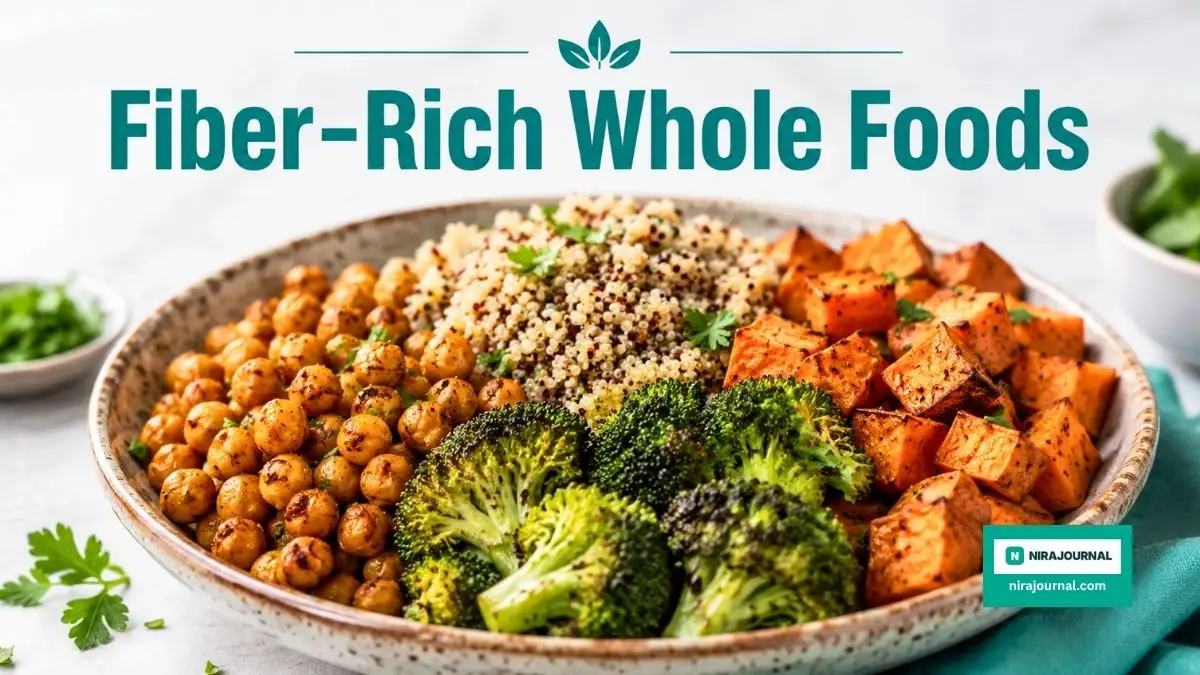
Making Sense of Your Gut Health
Fixing your gut health doesn't mean you have to survive on dry bran or foods that taste like cardboard. You can actually get real energy-boosting results just by making small tweaks to the meals you already eat.
In fact, some of the most delicious foods on the planet are naturally packed with exactly what your stomach needs. You do not have to force yourself to drink awful supplements or chew on dry bran if you do not want to.
To give you an idea of how easy it is to add fiber without eating bland food, here is a quick look at some simple swaps:
The beauty of improving your gut health is that small, almost unnoticeable changes create massive physical results. You can easily modify the foods you already love just by adding a small handful of extra ingredients.
Why Does Your Stomach Actually Need This?
To really understand how this works, think of your digestive system as a busy highway. When you eat heavily processed foods with zero natural roughage, it is like causing a massive traffic jam. Everything slows down, gets stuck, and causes a lot of discomfort.
Fiber acts like a specialized cleanup crew for that highway. According to research from the Harvard T.H. Chan School of Public Health on dietary fiber, this nutrient actually helps sweep waste out of your body and feeds the good bacteria living in your gut.
When those friendly gut bacteria are happy and well-fed, they help reduce inflammation and boost your overall immune system. It is amazing how much power your stomach holds over your entire body's health.
Myth vs. Reality: Clearing Up the Confusion
A very common myth is that you need to completely overhaul your diet overnight to fix your stomach. People often think they have to become strictly vegan or only eat raw vegetables to see any real benefits.
The reality is completely different. Going from zero to a massive amount of roughage in one day will actually make your stomach hurt much worse. Your body needs time to adjust to any dietary change.
Another huge myth is that all carbohydrates are terrible for you. While highly refined carbs like white bread and sugary pastries do not offer much nutrition, complex carbohydrates are your best friends. Beans, whole grains, and fresh fruits provide exactly the kind of lasting energy your brain needs to function properly.
Practical Steps to Upgrade Your Morning Routine
Breakfast is easily the best time of day to start making small upgrades. When you start your morning with a balanced meal, you set a positive tone for the rest of your daily choices.
You do not need to wake up an hour earlier to cook a complicated meal. Simple, everyday ingredients can easily provide a massive nutritional boost if you know how to use them.
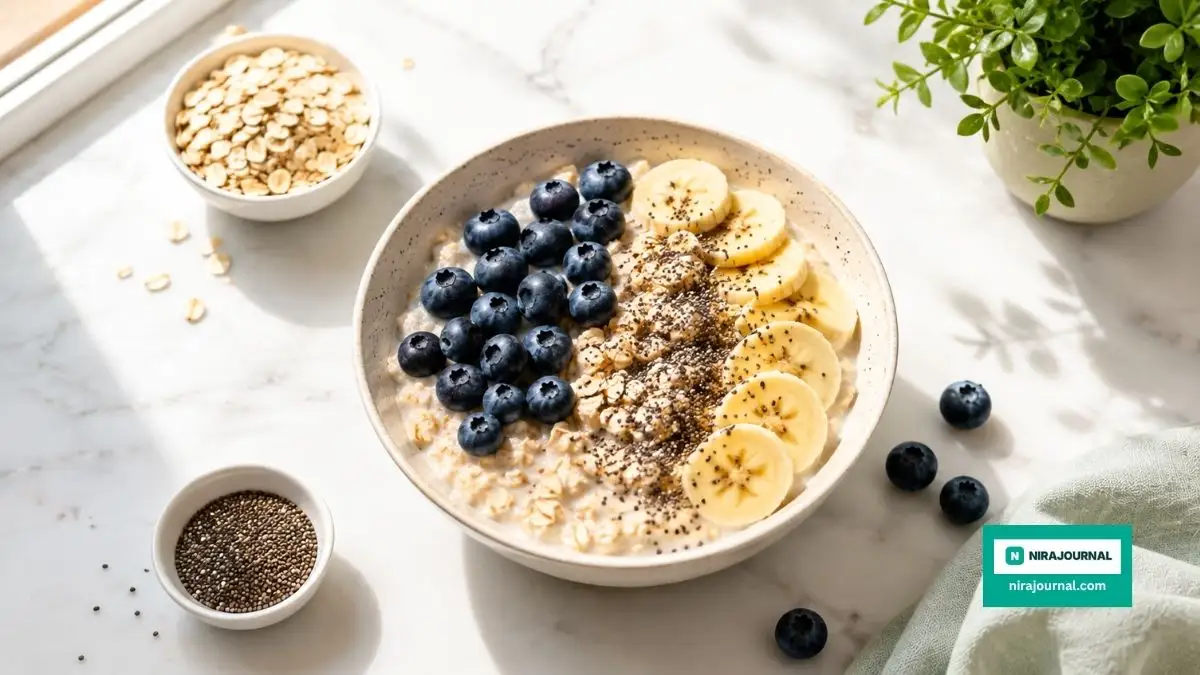
The Power of Upgraded Cereals
If you love starting your day with a bowl of cereal, you are in luck. Instead of reaching for the sugary, colorful boxes, look for options where whole oats or wheat are the very first ingredient.
You can make your morning bowl twice as nutritious simply by tossing in some fresh berries or sliced bananas. To understand exactly how these small seed additions change your health, you might want to read about What Happens to Your Body When You Eat Chia Seeds Every Day.
Just one tablespoon of these tiny seeds absorbs liquid and expands, which helps keep your stomach feeling full until lunchtime. You can sprinkle them over yogurt, blend them into smoothies, or just mix them directly into your cereal milk.
Reimagining Your Classic Toast
Many people love a warm piece of toast in the morning, which is a perfectly fine choice. However, swapping standard white bread for a dense, seeded whole-grain loaf changes the entire nutritional profile of your breakfast.
When you use high-quality bread, you are feeding your body complex carbohydrates that digest slowly and provide steady energy. You can top this toast with mashed avocado, a boiled egg, or even some natural peanut butter.
If you prefer a warmer, softer morning meal, oats are incredibly versatile and easy to prepare. If you are curious about the long-term benefits of this habit, check out exactly What Happens When You Add Oats to Your Regular Breakfast Routine?. Cooking them with milk instead of water and stirring in some chopped apples adds incredible texture and natural sweetness.
A Quick Guide to Upgrading Your Morning Plate:
Watch this short video to see exactly how easy it is to prep a delicious, gut-friendly breakfast in under five minutes.
Simple Ways to Transform Your Afternoon Meals
Lunchtime is often when our healthy intentions completely fall apart. We get busy, we get hungry, and we end up grabbing whatever is fastest or closest to our desks.
The secret to avoiding the terrible afternoon slump is making sure your lunch has a strong balance of nutrients. When you combine fresh plants with good energy sources, your brain stays sharp for hours.
Upgrading the Standard Sandwich
If you regularly pack a sandwich for lunch, you have a perfect opportunity for a nutritional upgrade. Instead of just using meat and cheese, try heavily loading your sandwich with crunchy vegetables.
Add handfuls of fresh spinach, grated carrots, thinly sliced cucumbers, or even some tangy sauerkraut. These additions not only make your food taste much fresher, but they also provide exactly the roughage your body craves.
You can also rethink your side dishes. Instead of eating heavily processed potato chips, try bringing a small container of roasted chickpeas or a piece of fresh fruit.
The "Half-Plate" Rule for Busy Days
When you are eating at a restaurant or ordering takeout, it is very easy to forget about your nutritional goals. A great mental trick is to look at your plate and aim to fill at least half of it with vegetables.
If you order a pasta dish, ask the server to mix in some extra steamed broccoli or spinach. If you are having rice, choose the brown or wild rice option whenever it is available.
These tiny swaps do not drastically change the flavor of your favorite meals, but they greatly improve how your stomach feels afterward.
My Personal Realization:
When I first tried to fix my diet, I made the rookie mistake of eating two huge salads a day without drinking extra water. By day two, my stomach was painfully bloated and rock hard. I quickly learned that fiber is exactly like a sponge—if you don't drink enough water with it, it just sits there and blocks your system instead of cleaning it out.How to Snack Smarter Throughout the Day
Snacking is not a bad habit at all, provided you choose the right things to eat. When you feel that mid-afternoon hunger hitting, your body is genuinely asking for fuel.
Reaching for candy or refined crackers will give you a quick sugar spike followed by a terrible crash. Instead, you need snacks that combine different types of nutrients to keep you satisfied.
Pairing Up Your Nutrients
The best snacks always pair a strong source of roughage with a healthy fat or protein. This combination tells your brain that you are actually eating a meaningful meal, which turns off your hunger signals.
For example, eating an apple by itself is good, but eating an apple sliced and dipped in almond butter is fantastic. The healthy fats in the nut butter slow down the digestion of the fruit's natural sugars.
Similarly, if you are looking for ways to balance your snacks, you might want to explore some Natural Sources of Protein: Simple Foods to Include in Everyday Meals. Mixing things like roasted pumpkin seeds with a handful of dark chocolate chips creates a sweet and salty trail mix that is genuinely good for your body.
The Power of Hydration in Digestion
As mentioned earlier, you absolutely cannot increase your roughage intake without also increasing your water intake. They work together as a team to keep your system clean and functional.
If plain water feels too boring to drink all day, try naturally flavoring it. Drop a few slices of lemon, cucumber, or some fresh mint leaves into your water bottle.
Herbal teas are also a fantastic way to increase your daily fluids. Peppermint or ginger tea can actually help soothe your stomach if you ever feel slightly bloated from eating new foods. According to The National Institutes of Health (NIH), maintaining proper hydration is absolutely essential for a healthy gut microbiome to function correctly.
Comparing Your Everyday Food Choices
Sometimes, seeing exactly how simple swaps compare makes everything much easier to understand. You do not have to ban any foods from your house, you just need to know the better alternatives.
Here is a simple look at how you can gently upgrade your daily choices:
Notice how the "Better Alternative" is usually just a very small step up from the current habit. You do not have to jump straight to the "Best" choice if you are not ready for it.
Even making the small move from white pasta to whole wheat pasta is a fantastic victory for your digestive health. Your taste buds will naturally adjust to these new textures over time.
Reading Labels Like a Pro
When you are walking down the aisles of a grocery store, the marketing on the front of food packages can be very confusing. A box of crackers might say "Made with Whole Grains!" but still contain almost zero roughage.
The only way to know the truth is to flip the package over and look at the actual nutrition panel. You want to look directly at the line that says "Dietary Fiber."
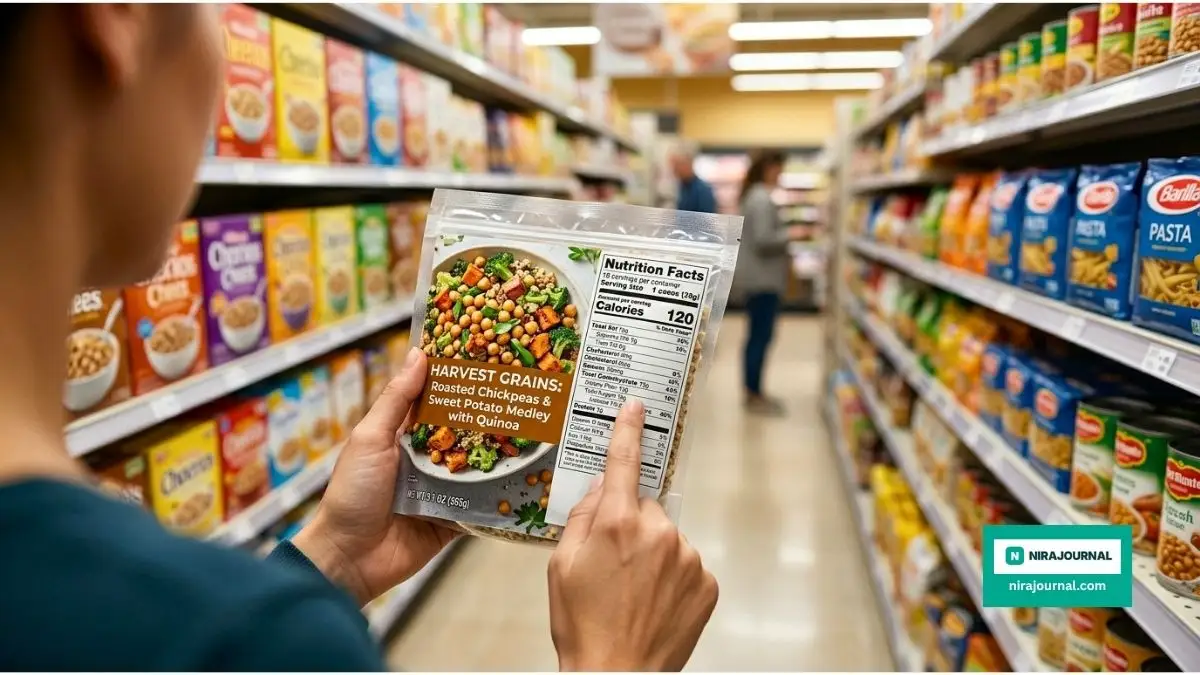
A general rule to keep in your head is the "5-gram rule." If a serving of a packaged food has 5 grams or more of this nutrient, it is considered an excellent source.
If a product only has 1 or 2 grams per serving, you might want to put it back and look for a stronger alternative. Learning to quickly scan these labels will make your weekly grocery shopping much faster and healthier.
Also, make sure you look at the ingredients list printed below the numbers. You always want to see words like "whole wheat," "oats," or "bran" listed as the very first or second ingredient, rather than "enriched flour."
Taking Your Daily Digestion to the Next Level
Once you master the basic swaps in your morning and afternoon meals, you might wonder how to keep this momentum going. Eating well is not just a temporary fix; it is a permanent lifestyle adjustment that should feel completely natural.
Many people start strong with a new healthy eating habit, but they quickly lose motivation when life gets busy. The secret to long-term success is not relying on willpower, but rather building smart, effortless systems in your kitchen.
We need to make sure that choosing the better food option is actually the easiest option available to you. When you set up your environment for success, you completely remove the daily stress of deciding what to eat.
The Art of Sneaking Goodies Into Your Meals
One of the most effective strategies for maintaining your new habits is learning how to secretly upgrade your favorite comfort foods. You do not always have to eat a massive, boring salad to get the nutrients your body craves.
Think about the warm, comforting meals you already cook at home on a regular basis. You can easily blend a handful of fresh spinach or carrots directly into your favorite pasta sauce.
When you puree these vegetables, they completely disappear into the sauce, leaving no strange textures behind. Your family will not even notice the difference, but everyone’s digestive system will definitely thank you later.
If you enjoy baking muffins or pancakes on the weekends, you have another perfect opportunity for a nutritional boost. You can easily swap out half of the standard white flour for oat flour or whole wheat pastry flour.
You can also sprinkle some tiny, nutrient-dense additions right into the batter before baking. To understand exactly how these small ingredients completely change your baked goods, you should read about Flaxseeds and Other Edible Seeds: Understanding Their Nutritional Value. They add a lovely nutty flavor and keep your baked treats incredibly moist.
Designing a Kitchen That Supports Your Goals
Your environment dictates your choices much more than you probably realize. If you open your pantry and only see sugary snacks at eye level, that is exactly what you will grab when you are tired.
Take thirty minutes this weekend to completely reorganize your main food storage areas. Move the whole grain crackers, mixed nuts, and roasted chickpeas right to the front row of your shelves.
You can also create a dedicated "snack basket" in your refrigerator. Wash and chop celery, bell peppers, and cucumbers as soon as you bring them home from the grocery store.
Place these ready-to-eat vegetables in clear glass containers right in the middle of the fridge. When you are starving after a long day at work, you will naturally reach for what is already prepared and waiting for you.
Decoding the Different Types of Roughage
As you become more comfortable reading food labels, you will notice that not all plant material behaves the same way in your body. Your stomach actually requires a mix of different textures to function perfectly.
Some plant materials act like a soft, soothing gel in your stomach, which helps manage your blood sugar and keeps you feeling full. Other types act more like a gentle scrub brush, moving everything quickly through your system.
To really master your own meal planning, you need to understand how these different types work together. You can learn exactly how to balance your plate by checking out Why Fiber Matters in Your Diet: A Simple Guide to Soluble and Insoluble Fiber. Getting a good mix of both types is the absolute best way to avoid any stomach discomfort.
For example, eating an apple gives you both benefits at the exact same time. The soft inside of the fruit provides the soothing gel, while the tough outer skin provides the sweeping action. According to the Academy of Nutrition and Dietetics, eating a wide variety of whole plant foods naturally provides this perfect balance without needing any complex math.

The Hidden Traps That Will Upset Your Stomach
Even with the best intentions, many people accidentally make themselves feel terrible when they try to improve their eating habits. Trying to fix your digestion too quickly is a guaranteed way to cause severe physical pain.
When you suddenly flood your stomach with a massive amount of plant roughage, your body simply does not know how to handle it. You might wake up feeling great, eat a huge bowl of bran cereal, a massive salad, and a can of beans, all in one day.
By the time evening rolls around, your stomach will likely be completely distended, rock hard, and incredibly painful. This severe bloating ruins your day and makes you want to completely give up on eating healthy foods altogether.
The Danger of Ignoring Hydration
The absolute most common pitfall people face is eating dry plant foods without increasing their daily water intake. Think of this nutrient exactly like a dry sponge sitting on your kitchen counter.
If you want to avoid the dreaded "fiber bloat," follow this simple 3-step checklist when upgrading your meals:
- Start low, go slow: Only add 3 to 5 extra grams of fiber to your daily routine per week.
- Match fiber with fluids: For every new high-fiber food you add (like a bowl of oats or a large salad), drink an extra 8-ounce glass of water.
- Chew your food completely: Digestion starts in your mouth. Breaking down plant fibers thoroughly before swallowing makes the work much easier on your stomach.
If you put a dry sponge into a pipe, it will just get stuck and block everything from moving. However, if you soak that sponge in water, it becomes soft, flexible, and glides right through.
If you suddenly eat a lot of whole grains and vegetables but only drink one glass of water all day, you will become severely constipated. The National Institute of Diabetes and Digestive and Kidney Diseases (NIDDK) explicitly warns that adequate fluid intake is strictly required to help this material move smoothly through your digestive tract.
Do not just wait until you are thirsty to drink water. Keep a large water bottle next to you while you work, and take small sips constantly throughout your day.
Falling for Fake Health Foods
Walk down the diet aisle of any grocery store, and you will see hundreds of products promising a healthy stomach. You will find brightly packaged cookies, sugary snack bars, and even gummy candies claiming to be excellent sources of roughage.
These highly processed products are almost always a massive trap for beginners. The manufacturers simply inject isolated, artificial plant extracts into junk food to make it look healthy on the nutrition label.
While these snacks might technically bump up your daily numbers, they do not provide the natural vitamins and minerals your body actually needs. Eating a sugary chocolate bar with added extracts is never going to equal the health benefits of eating a real bowl of oatmeal.
Instead of buying expensive processed diet foods, look around your kitchen for the natural options you already own. You would be surprised at how many regular ingredients hold incredible value, which you can discover in Hidden Nutrition in Everyday Foods: Simple Ingredients You May Be Overlooking. Real food will always make your body feel significantly better than a processed substitute.
The Psychological Trap of Perfectionism
Another terrible mistake is trying to be absolutely perfect with every single meal you eat. When you label foods as strictly "good" or strictly "bad," you create an unhealthy relationship with your meals.
If you go to a birthday party and eat a slice of cake, your entire healthy lifestyle is not ruined. Many people feel so guilty after a treat that they completely abandon their new eating habits for the rest of the week.
Your digestive system is remarkably resilient and forgiving over the long term. One low-nutrient meal will not instantly undo all the wonderful progress you have made with your morning oats and afternoon salads.
The goal is gentle, consistent progress, not rigid perfection. Give yourself the grace to enjoy your favorite treats while maintaining a generally balanced plate most of the time.
Your Personal Blueprint for Feeling Amazing
Fixing your digestion and eliminating that awful afternoon sluggishness really comes down to a few basic choices. You have completely learned how your stomach works, what it needs to thrive, and the common traps to avoid.
You do not need an expensive meal plan, a personal chef, or a cabinet full of confusing supplements to feel energetic. Your local grocery store is already packed with everything you need to heal your gut and boost your daily energy.
Remember that every single meal is a brand new opportunity to make a slightly better choice. If breakfast was heavily processed, simply make sure you add some extra green vegetables or beans to your dinner plate.
A Quick Action Plan for Tomorrow Morning
Instead of feeling overwhelmed by all this information, pick just one tiny habit to try tomorrow. You might decide to finally swap your white sandwich bread for a whole-grain option at lunch.
Or, you might simply promise yourself to drink one extra glass of water right when you wake up. Leave an apple on your kitchen counter tonight so it is the very first snack you see tomorrow afternoon.
Small, almost invisible changes naturally compound over time into massive physical transformations. Within just a few short weeks, you will likely notice that your clothes fit better, your stomach stays flat, and your mind feels incredibly sharp.
My Personal Realization:
I used to overthink every single meal, stressing about getting the perfect amount of nutrients until eating felt like a math exam. My entire life changed when I simply started asking myself, "How can I add just one plant to this plate?" I promise you, taking this relaxed, simple approach will make healthy eating feel incredibly easy and enjoyable for you, too.
Real Questions People Ask About Gut Health
Does cooking vegetables destroy their natural roughage?
No, normal cooking does not destroy the plant material your stomach needs. In fact, gently steaming or roasting tough vegetables like carrots and broccoli actually makes them much easier for your body to digest. You still get all the amazing digestive benefits, plus a much better flavor profile.
Can I get enough roughage on a gluten-free diet?
You can absolutely meet all your nutritional needs without eating any wheat products at all. Quinoa, brown rice, gluten-free oats, beans, and all fresh fruits are completely naturally free of gluten. Just make sure to read the labels on packaged gluten-free breads, as they are sometimes heavily processed and low in natural nutrients.
Will eating more beans always cause terrible gas?
Beans only cause severe discomfort when your body is completely unaccustomed to digesting them. If you start by eating just two tablespoons of beans a day and thoroughly rinse canned beans before eating, you will minimize any issues. Over time, your gut bacteria will naturally adapt, and the uncomfortable gas will completely disappear.
Are powdered supplements just as good as whole foods?
While a plain psyllium husk powder can be a helpful temporary tool, it should never permanently replace whole foods. Powders completely lack the essential vitamins, antioxidants, and healthy fats that come naturally packaged inside real fruits and vegetables. Always try to chew your nutrients first before relying on a drinkable substitute.
Does blending fruits into a smoothie ruin their benefits?
Blending whole fruits into a smoothie retains all the original plant material, unlike running them through a juice extractor. When you use a juicer, you throw away the best parts of the fruit in the trash bin. As long as you drink your smoothie slowly, it remains a fantastic and healthy choice for your digestive system.
Disclaimer: The information provided in this article is strictly for educational and informational purposes only and does not constitute professional medical advice. Always consult with a qualified healthcare provider or a registered dietitian before making any major changes to your diet, especially if you have existing medical conditions or chronic digestive issues.
About the Author
Munira Parveen is a dedicated Digital Content Strategist and Lead Researcher with a passion for simplifying complex topics. From navigating personal finance and emerging tech trends to uncovering the best practical lifestyle solutions, she spends her time analyzing data to bring readers highly accurate, actionable, and easy-to-understand guides. Her ultimate goal is to empower everyday people to make smarter, more informed decisions in this fast-paced digital world.