
The Hidden Weight of Owning a Piece of History
I still remember the day I got the keys to my own place. It was a charming, older house with high ceilings, creaky wooden floors, and a front porch that seemed to welcome me home every single evening. I felt like I had finally made it, living in a space with actual character rather than a cookie-cutter apartment. But the charm started to fade when the first winter hit, and I realized that my "character" home had a personality of its own—specifically, a very expensive one.
It started with a tiny drip in the basement that I thought was just condensation. Within a month, that drip turned into a persistent leak that warped the floorboards and forced me to replace a section of plumbing I didn't even know existed. I spent nights lying awake, wondering why my bank account was draining faster than my kitchen sink. It wasn't just the money; it was the constant anxiety of waiting for the next thing to break. I felt trapped in a cycle of endless repairs, wondering if I had made a terrible mistake by choosing a home with a history.
This struggle is far more common than most people realize. When you live in an older property, you aren't just paying for a mortgage; you are paying a "time tax" on every aging system in the house. The mental toll is heavy, as you lose your sense of security and peace of mind. You start to fear the sound of water running or the flickering of a light switch. It turns your sanctuary into a source of constant stress, making you feel like you are perpetually living on the edge of a financial emergency.
Decoding the Silent Infrastructure Drains
The primary reason costs spike in older homes often lies in systems that have reached the end of their design life. You might think your home is fine because the walls are standing, but the "silent culprits" are usually hiding behind the drywall or under the floorboards.
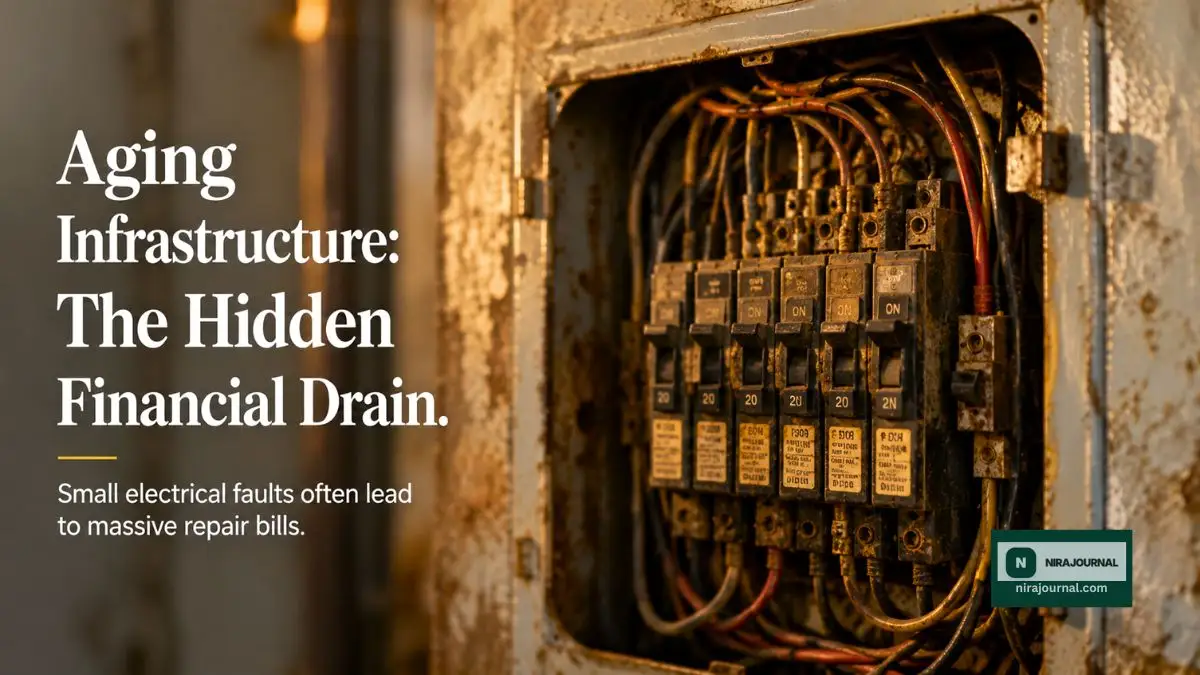
The Aging Electrical Conundrum: A Fire Waiting to Happen
Modern homes are built to handle the heavy load of dozens of smart devices, appliances, and high-tech entertainment systems. Older homes, however, were often wired for simple lighting and a radio. When you overload these outdated circuits, you aren't just risking a tripped breaker; you are inviting potential fire hazards and forcing expensive emergency upgrades.
If you notice lights flickering when the microwave turns on, it is a Why Your Property Value Is Trapped: The Hidden Truth (Avoid These Mistakes) scenario where ignoring the system now will cost double later. According to the National Fire Protection Association (NFPA) guidelines on electrical safety, outdated wiring is a leading cause of home structure fires. Updating your panel isn't a luxury; it is a necessity for your family's safety.
Moisture and the Silent Decay
Water is the greatest enemy of any structure, but in older homes, it acts like a slow-motion wrecking ball. Small leaks in roofs or around window frames often go unnoticed for years because they aren't causing immediate, visible damage. However, over time, this moisture invites mold, weakens support beams, and ruins insulation.
For a deeper dive into the physics of how building materials respond to moisture, you can review this Building Science Corporation research on vapor permeability. Keeping an eye on your gutters and downspouts is not just a chore; it is your first line of defense against thousands of dollars in structural restoration.
Proactive Preservation: The Smart Homeowner's Blueprint
I learned the hard way that waiting for something to break is the most expensive way to own a home. My "Aha!" moment came when I spent nearly my entire vacation budget on an emergency furnace repair in the middle of a cold snap. I realized that if I had spent a fraction of that money on professional biannual inspections, the part wouldn't have failed in the first place. My realization was simple: being a homeowner means being a manager, not just a resident.
The Seasonal Audit Strategy
Instead of reacting to problems, perform a seasonal walkthrough of your home. Check every faucet, inspect the attic for signs of pests, and look at the exterior foundation for new cracks. This isn't about being paranoid; it's about being informed. By catching a crack when it's the size of a hair, you can seal it with a simple product rather than waiting for it to widen and require professional concrete injection.
Optimizing System Longevity
Many homeowners ignore their HVAC systems until the air stops blowing cold. But cleaning your coils and replacing filters regularly is the secret to extending the life of your unit by years. Think of it like a car—you wouldn't drive it for a decade without changing the oil and expect it to run perfectly. Your home systems deserve that same level of respect.
Watch this short guide to see how small, simple changes to your home's maintenance routine can save you thousands over the next few years.
Prioritizing Structural Integrity
When dealing with older properties, you have to prioritize. Don't worry about the aesthetic paint jobs until you have verified the integrity of your foundation and roof. If your roof is compromised, no amount of fresh paint will stop the interior damage. If you are new to the process, check out First-Time Homebuyer? Here Is Your Ultimate Blueprint for Stress-Free Paperwork [Without Fear] to understand how even documentation can help you track these long-term maintenance cycles.
Managing the Financial Reality
To stop the bleeding of your bank account, you must shift your mindset from "repair" to "maintenance." This transition is backed by simple logic: a stitch in time saves nine. By dedicating one weekend a month to minor check-ups, you prevent the catastrophe that happens when a small issue remains hidden for years.
The Myth of the "Maintenance-Free" Home
There is a dangerous myth that once you renovate a room, you are done with it for a decade. The truth is that home systems have different lifespans. Pipes, wiring, and roofing materials all degrade at different rates. Understanding the "age profile" of your home allows you to budget for these replacements before they become urgent.
Comparison of Reactive vs. Proactive Costs
Why You Should Keep a Home Logbook
Start keeping a dedicated folder or digital log for your home. Write down when you last cleaned the chimney, when the roof was inspected, and when the plumbing was flushed. This log becomes a powerful tool if you ever decide to sell, as it proves to buyers that the home has been meticulously cared for, rather than just "patched up."
The Psychology of Maintenance
We often avoid maintenance because it feels like an inconvenience. We tell ourselves we will "deal with it later." But that "later" is where the costs multiply. When you view maintenance as a way to protect your legacy and your comfort, the task changes from a burden to a rewarding ritual.
Final Thoughts on Long-Term Value
By choosing a proactive path, you keep your home's value high and your stress levels low. Start today by creating a simple checklist of the major systems in your house—plumbing, electrical, heating, and cooling. Note their age, when they were last serviced, and when they are due for a check-up. Taking control of these silent culprits is the most powerful thing you can do to protect your property and your wallet. Your home is not just a building; it is your biggest investment—treat it with the care it deserves, and it will return the favor with years of peace and comfort.
Advanced Pro-Level Maintenance Secrets for Older Homes
When you settle into the rhythm of owning an older home, you begin to see that maintenance isn't just about fixing what breaks. It is about understanding the DNA of your property. I have found that the most seasoned homeowners operate more like building investigators than just residents. They look for patterns before the problems actually manifest.
Mastering the Art of Preventive Observation
One of the most effective habits I picked up is the "seasonal sound check." Every time the seasons change, I walk through every room of my house and simply listen. I listen for the groans of the floorboards, the hum of the HVAC, and the trickle of pipes when everything else is quiet. By training your ears to recognize the "normal" sounds of your house, you become an expert at detecting the subtle changes that precede a real disaster.
The Secret of Small-Scale Material Care
We often forget that materials like wood, brick, and mortar have lifespans influenced by the local climate. For example, this study from the National Institute of Building Sciences on durability planning highlights how different geographic environments impact the degradation rate of common building materials. If you live in a humid climate, your priority is moisture control. If you live in a dry, hot climate, your focus should be on thermal expansion and contraction. Adjusting your maintenance schedule to match your local environment is a pro-level move that keeps your home in peak condition.
Budgeting for the Invisible
I stopped treating home repairs as "emergencies" the moment I started an "Infrastructure Fund." Instead of being caught off guard when a water heater dies, I treat the replacement cost as a predictable expense. I estimate the life expectancy of every major appliance in my home and divide the replacement cost by the number of months left in its lifespan. This simple math removes the panic from the process. It turns a potential crisis into a planned purchase.
Engaging the Right Professionals
One of the biggest lessons I learned is that not all contractors are created equal. When dealing with an older home, you need specialists who understand historic or non-standard construction methods. Don't be afraid to ask a pro, "How often have you worked on homes built before the middle of the last century?" Getting someone who respects the original craftsmanship while ensuring modern safety standards is the golden rule of property upkeep.

Common Pitfalls and Why They Drain Your Wealth
The biggest mistake I see homeowners make is the "wait and see" approach. We tend to ignore small warning signs because they don't seem like a big deal at the moment. But in an older home, a small sign is rarely just a small sign; it is a signal of a much deeper, hidden issue.
The Trap of Cosmetic Patching
How many of us have covered a stain on the ceiling with a fresh coat of paint and called it a day? This is a classic pitfall. You aren't fixing the leak; you are merely hiding the evidence while the wood behind it continues to rot. Eventually, the ceiling won't just have a stain; it will have a hole. When you mask symptoms instead of identifying the cause, you allow the underlying decay to accelerate, leading to costs that are exponentially higher than the initial repair.
DIY Beyond Your Skill Level
There is a fine line between a productive weekend project and a major liability. I once tried to rewire a vintage light switch because I thought it was simple. I ended up calling an electrician at midnight because I caused a short that killed power to half my house. Know your limits. There are certain things—like gas lines, main electrical panels, and structural load-bearing walls—that should always be left to licensed pros.
Ignoring Regulatory Changes
Many of us forget that building codes evolve to keep us safe. If you are doing renovations, you might be tempted to cut corners to save money. However, this is a dangerous game. If you ever plan to sell your home, you will face significant hurdles if the work doesn't meet current standards. You can avoid these headaches by Decoding Zoning Laws: A Simplified Approach for Residential Property Owners and keeping yourself informed about local requirements.
The Illusion of Market Timing
We often feel like we need to time our upgrades based on the market. We think, "I'll wait to fix the roof until the market is better." This is a flawed way of thinking. Your home's structural integrity has nothing to do with current market trends. If you wait, the damage gets worse, and the potential resale value drops regardless of what the economy is doing. Debunking the Myth That Market Timing Is Everything in Real Estate is essential for anyone who wants to stop worrying about external factors and start focusing on the tangible value of their own walls and floors.
The Importance of Documentation in Maintenance
Beyond the physical repairs, the "paper trail" of your home is just as significant as the condition of your roof. When you keep records of every service, part replacement, and inspection, you create an asset log that adds verifiable value to your property. If you want to understand how to keep these records aligned with local building standards, you can check out the U.S. Department of Housing and Urban Development (HUD) resources on home rehabilitation and maintenance. This resource provides an excellent framework for homeowners who want to ensure their maintenance activities meet professional expectations and help protect their long-term investment.
A New Path to Home Comfort and Value
Taking control of your home’s maintenance is the single most effective way to regain your peace of mind. You are not just preserving a structure; you are protecting your future. Every time you tighten a loose pipe, clean a gutter, or inspect your attic, you are making a withdrawal from the "stress bank" and depositing it into your "asset value."
Your Tomorrow Starts with One Action
You don't have to tackle everything at once. Pick one area of your home that you haven't checked in months and start there. The feeling of control you get from a finished task is addictive. Once you start taking care of the small things, the big problems stop feeling so overwhelming.
My Personal Commitment to My Home
I used to dread the sound of a creaking pipe or a drafty window, but now I see those sounds as part of the conversation I have with my house. By listening to what my home needs and responding with care, I have transformed my living space from a source of stress into a sanctuary of pride. I promise you that if you start today, you will look at your home differently in just a few months. You will move from being a victim of your home's age to being the master of its care.
Frequently Asked Questions About Home Maintenance
How often should I perform a full home inspection?
I recommend a thorough check of major systems like the roof, HVAC, and foundation twice a year. Scheduling these at the start of spring and autumn makes it easy to remember and helps you prepare for the seasonal changes ahead.
Is it worth fixing an old home if the costs keep rising?
Yes, provided you are addressing the source of the costs and not just the symptoms. An older home often has better bones than modern builds, so investing in its long-term health is usually a smart financial move.
Can simple maintenance really increase my property value?
Absolutely. A home that has a clear, documented history of care is much more attractive to future buyers. It shows that the property hasn't been neglected, which is a huge selling point.
What is the first thing I should check if my utility bills start rising?
Check your insulation and seals around windows and doors first. Often, air leaks are the silent culprits behind high energy bills, and they are usually very affordable to fix with some weatherstripping or extra insulation.
Should I hire a professional for every little repair?
Not necessarily, but you should know when to call in the experts. Focus your DIY efforts on simple, low-risk tasks like painting, cleaning, or minor hardware updates, and leave the complex plumbing and electrical work to licensed professionals.
Disclaimer: This article is for informational purposes only and does not constitute professional financial or construction advice. Always consult with a licensed contractor, inspector, or qualified professional before undertaking significant structural changes or repairs to your property.
About the Author
Munira Parveen is a dedicated Digital Content Strategist and Lead Researcher with a passion for simplifying complex topics. From navigating personal finance and emerging tech trends to uncovering the best practical lifestyle solutions, she spends her time analyzing data to bring readers highly accurate, actionable, and easy-to-understand guides. Her ultimate goal is to empower everyday people to make smarter, more informed decisions in this fast-paced digital world.
![First-Time Homebuyer? Here Is Your Ultimate Blueprint for Stress-Free Paperwork [Without Fear]](https://nirajournal.com/storage/uploads/blogs/1785904206_first-time-homebuyer-here-is-your-ultimate-blueprint-for-stress-free-paperwork-without-fear.webp)