
The Invisible Weight Pulling Down Your Home's Worth
I still remember the day I got my first appraisal report. I had spent months painting the walls, fixing the minor leaks, and upgrading the kitchen hardware, fully expecting a significant jump in my home’s value. When I opened that envelope, the numbers were practically the same as when I bought the place. I felt a heavy knot in my stomach. It wasn't just the money; it was the realization that all my hard work had barely moved the needle. I started asking myself, "What am I missing?"
It felt like I was running a race with my shoes tied together. Every time I tried to increase my home's equity, something outside my four walls seemed to pull it back down. My neighbors were facing the same confusion, watching their dream homes sit on the market while others nearby sold in days. The frustration was real. It keeps you up at night, wondering if your biggest asset is actually a burden rather than a building block for your future.
You see, we often focus on the interior—the granite countertops, the hardwood floors, and the smart lighting. We pour our hearts and bank accounts into these aesthetic changes. Yet, the true drivers of value are often lurking right outside your front door. When you ignore the environment, you are essentially trying to patch a roof while the foundation is slowly sinking into a swamp.
This isn't just about bad luck; it is about invisible variables that dictate market demand. If you want to stop the stagnation, you have to shift your perspective. You need to look beyond the interior design and start analyzing the micro-factors that professional appraisers see but rarely explain to the average homeowner.
Many people find themselves trapped in this cycle because they believe that renovations are the only path to value. When those renovations fail to yield a return, they get discouraged and stop maintaining the property altogether. This creates a downward spiral where the house starts to show its age, further hurting its market standing. Breaking this cycle requires a mix of objective observation and strategic action.
Decoding the Environmental Impact on Your Equity
To solve the mystery of stagnant value, we have to look at the factors that exist outside your control but dictate your price ceiling. You might have the best-looking house on the street, but if the local environmental context is shifting, your value will remain flat. Let’s break this down into actionable, science-backed areas.
The Micro-Climate and Infrastructure Effect
Your property exists within a larger system. Often, the reason for a lack of appreciation is not your home, but the local infrastructure health. If the roads leading to your subdivision are deteriorating or if the local drainage system is inadequate, buyers will subconsciously devalue your home.
You can find more data on how regional infrastructure impacts residential pricing through research from the U.S. Department of Housing and Urban Development. It is not just about the house; it is about the "neighborhood feel." When infrastructure fails, the desirability drops, and with it, the price.
The "Silent" Environmental Nuisances
Sometimes, the issue is environmental noise or pollution that you have become "nose-blind" or "ear-blind" to. Constant traffic hum from a newly expanded road or the proximity to industrial zones can cap your home's growth. Buyers are sensitive to these factors, even if they don't explicitly name them.
If you are currently navigating the complexities of buying or selling, you might find my upcoming guide on First-Time Homebuyer’s Roadmap: Navigating the Paperwork Without Getting Overwhelmed very helpful. It covers how to spot these red flags before they become your problem.
Identifying Natural Risks
Climate resilience is becoming a massive factor in property valuation. If your property is in an area prone to flooding, erosion, or even extreme heat without proper shade, the insurance premiums and maintenance costs go up. This directly lowers your net value because buyers subtract these future costs from their offer price.
Pro Tip: I once ignored the state of the drainage ditches near my property line because they looked fine during the dry season. When the heavy rains came, I realized why the neighboring houses were cheaper; their basements were damp. I had to spend thousands on a French drain system. My advice? Visit your home during a heavy rainstorm. Observe how water moves. That realization saved me from losing even more money later.
Addressing Maintenance Before It Becomes a Liability
Often, we treat maintenance as a cost, not an investment. If you leave exterior issues like peeling paint or overgrown trees to fester, you signal to the market that the property is "high effort." When a buyer looks at your home, they are calculating the cost of ownership.
For those of you noticing mounting repair bills, keep an eye out for my next post: The Silent Culprits Behind Rising Maintenance Costs in Older Homes. It will help you identify which maintenance tasks actually add value and which ones are just money pits.
The Role of Local Ecosystems
The presence of mature trees and green spaces is a significant asset. However, if these areas are poorly managed, they can become a liability. Dead branches, invasive species, or overgrown bushes blocking natural light can make a house feel small and uninviting.
Why Light Matters
Natural light is the cheapest way to make a property feel expensive. If your environment has grown up around you, blocking your windows, you are effectively living in a shadow. Pruning trees to let light in is one of the highest ROI tasks you can perform.
Watch this short video to see how simple exterior adjustments can change the first impression of your home and potentially add thousands to your valuation.
Strategic Landscaping as a Value Multiplier
You don't need a professional landscape architect to add value. Focus on "clean lines." Remove anything that looks like it requires excessive maintenance. Buyers today prefer "low-maintenance luxury." If they see a garden that looks like it needs four hours of work every weekend, they will lower their offer.
Analyzing Your Own Property
Take a step back. Literally, walk across the street and look at your house from a stranger’s perspective. What is the first thing your eye hits? Is it a messy trash bin, a cracked walkway, or a vibrant, welcoming front door? These tiny details form the environmental perception of your home.
The Psychology of the Curb
When people think of "property value," they think of math. But buying a house is an emotional decision. If your environment feels chaotic, the buyer will feel uneasy. If it feels calm, organized, and clean, they will feel safe—and they will pay for that feeling.
Managing Your Environmental Data
Start keeping a folder of all the improvements you make, especially those related to exterior and environmental issues. When you eventually sell, showing a buyer that you have proactively managed the "hidden" aspects of the property gives them confidence. It turns a "maybe" into a "yes."
Focus on the things you can control. You cannot move the road, but you can build a sound-dampening fence. You cannot stop the rain, but you can improve your gutters. Small, consistent changes in how you manage your property's environment will eventually lead to the value growth you are looking for.
Beyond the Surface: Mastering Your Home’s Hidden Potential
Now that we have addressed the environmental basics, it is time to look at the mechanics of long-term value preservation. You might think that once you paint the fence or fix the garden, your job is done. However, true equity growth comes from staying ahead of the decay that happens when no one is looking.
Smart Maintenance Cycles for Maximum Value
The biggest secret to keeping your property value high is establishing a routine that prevents small problems from becoming large expenses. I used to wait until something broke before I fixed it. That is a guaranteed way to lose money.
Instead, I shifted to a proactive schedule. Every season, I walk the perimeter of my home to check for water pooling near the foundation or signs of wood rot. You can find excellent resources on preventive home care through the National Association of Home Builders, which offers insights into how structural maintenance impacts appraisal outcomes.
The Power of Energy-Efficient Upgrades
Modern buyers are looking for homes that save them money every month. If you replace old windows or add insulation, you are not just making your home comfortable; you are adding a selling point that beats the competition. Even simple changes like switching to smart thermostats can shift how a buyer perceives your home’s value.
When you manage your home as an asset rather than just a place to sleep, you start seeing the "hidden" returns. If you feel confused by the legalities of making big changes, you should consider Decoding Zoning Laws: A Simplified Approach for Residential Property Owners. Knowing what you can and cannot do on your land is part of the professional management of your investment.
Creating an Emotional Connection Through Simplicity
It is not enough for a house to be functional; it must feel right. If your home has too much clutter or "busy" environmental features, buyers will feel stressed. Keep the exterior simple. A manicured lawn and a clean entryway do more to boost value than an expensive, high-maintenance water feature ever could.

The Hidden Science of Structural Longevity
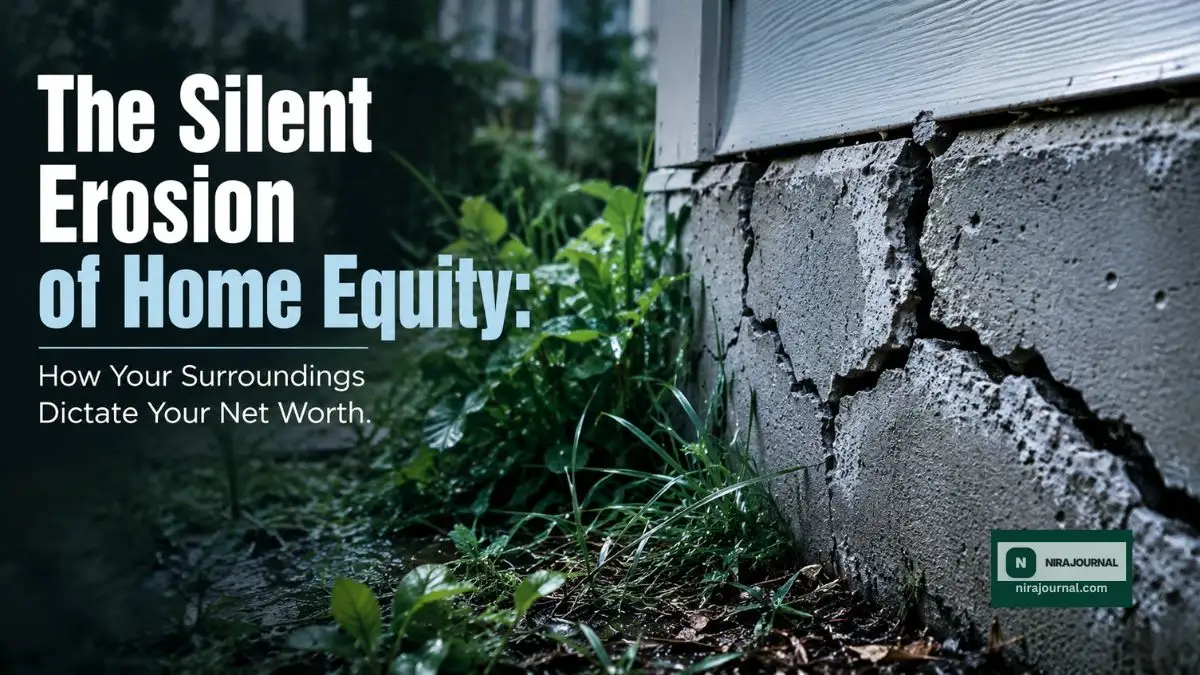
Many homeowners underestimate how environmental moisture affects long-term value. It is not just about the visible cracks; it is about the structural integrity that appraisers check during a deeper audit. When you invest in proper waterproofing, you are essentially buying insurance against future value drops.
The Traps That Drain Your Equity
Most people fall into the same traps when they try to save or increase their home’s value. The biggest error is over-improving for the neighborhood. If you spend too much on luxury upgrades in an area where buyers are looking for starter homes, you will never see that money back.
The Myth of Market Timing
We often hear people say they are waiting for the "perfect time" to fix things up. They think they can predict the market and only do the work right before they sell. This is a dangerous game. If you wait until you need to sell, you are usually stressed and rushing, which leads to poor decision-making.
Also, many homeowners ignore the subtle signs of neighborhood decline. They think their house is an island, but if the surrounding area is shifting, your property value will be affected regardless of how nice your interior is. I once saw a friend spend a fortune on a gourmet kitchen in a neighborhood where the local school ratings were dropping. The kitchen was beautiful, but it could not overcome the environmental factor of a changing neighborhood.
Neglecting the Paperwork
Another massive pitfall is the lack of proper documentation. If you make improvements but do not have the receipts or permits, they don't exist for the appraiser. Never assume that a buyer will just "see" the value of your work. You must be able to prove it with organized records.
If you are tired of wondering if you are doing the right thing, you might enjoy my guide on Debunking the Myth That Market Timing Is Everything in Real Estate. It explains why consistent, small actions beat grand, timing-based gestures every time.
Analyzing the Macro-Environmental Factors
Beyond your property line, there are larger forces at play. Think about local traffic patterns, public transportation proximity, and even the "walkability" score of your area. These are often overlooked by homeowners but are top-of-mind for modern buyers. You can study regional growth patterns via the U.S. Census Bureau’s community data portal to see if your area is trending upward.
Detailed Action Plan for Sustainable Growth
You should maintain a "Property Ledger." This is a simple document where you record every single repair, every permit, and every upgrade. When you go to sell, handing this over to a buyer creates immense trust. It proves that you have managed the home as a professional would.
Why Small, Consistent Updates Win
Don't wait for a renovation project to fix things. Paint the trim when it looks dull. Clean the gutters twice a year. Power wash the driveway. These small, low-cost tasks prevent "deferred maintenance" from eating into your profit. Deferred maintenance is the number one reason properties fail to reach their full market potential.
Frequently Asked Questions About Home Value
Does the look of my neighbor’s house affect my property value?
Yes, it does. Appraisers look at "comparables" in your immediate area. If your neighbors let their homes fall into disrepair, it can lower the overall desirability of your street, which impacts your price.
Is it better to spend money on interior or exterior improvements?
Exterior improvements almost always offer a better return on investment. The "curb appeal" is the first thing a buyer sees, and it creates the emotional baseline for their offer.
Can trees actually hurt my property value?
They can if they are improperly placed. Trees that are too close to the foundation or block too much natural light can become liabilities rather than assets.
How often should I perform a home inspection?
I recommend a visual check every time the seasons change. You do not need a professional for this; just be observant of any new cracks, drainage issues, or structural changes.
Does a well-maintained lawn really add value?
Absolutely. A clean, neat yard is a signal to buyers that the home has been well-cared for. It suggests that the "hidden" systems of the house are likely in good shape too.
What is the most common reason for value stagnation?
Often, it is a combination of poor exterior maintenance and a lack of awareness about local market trends. By fixing the basics and staying informed, you can overcome these hurdles.
Final Steps to Protect Your Wealth
My journey with my own home taught me that you don't need a massive budget to protect your investment. I found that by simply cleaning, maintaining, and observing, I could keep my property value moving in the right direction. My hope is that you start looking at your home with fresh eyes and take one small step today. You will be surprised at how much control you truly have over your future wealth.
Disclaimer: This content is for educational purposes only and does not constitute professional real estate or financial advice. Market values are influenced by various complex factors, and you should consult with local experts or licensed appraisers before making significant investment decisions.
About the Author
Munira Parveen is a dedicated Digital Content Strategist and Lead Researcher with a passion for simplifying complex topics. From navigating personal finance and emerging tech trends to uncovering the best practical lifestyle solutions, she spends her time analyzing data to bring readers highly accurate, actionable, and easy-to-understand guides. Her ultimate goal is to empower everyday people to make smarter, more informed decisions in this fast-paced digital world.
![The Hidden Money Pit: Why Your Older Home Costs You More [Avoid These Mistakes]](https://nirajournal.com/storage/uploads/blogs/1785910928_the-hidden-money-pit-why-your-older-home-costs-you-more-avoid-these-mistakes.webp)
![First-Time Homebuyer? Here Is Your Ultimate Blueprint for Stress-Free Paperwork [Without Fear]](https://nirajournal.com/storage/uploads/blogs/1785904206_first-time-homebuyer-here-is-your-ultimate-blueprint-for-stress-free-paperwork-without-fear.webp)