The Silent Weight of Our Glowing Screens
I used to think that scrolling through my social feeds was the only way I could actually relax after a long, draining day. My eyes would burn, my neck ached constantly, and my mind felt like a chaotic web browser with fifty tabs open at once. I convinced myself that catching up on the daily news and watching random short videos was giving my tired brain a much-needed break. But every single morning, I woke up feeling more exhausted, sluggish, and heavy than when I went to sleep.
My body was physically resting in bed, but my mind was running endless marathons all night long in the dark.
I finally realized that my supposed "relaxing" evening routine was completely destroying my peace. I was simply trading my natural rest for glowing pixels. And I know I am definitely not the only person who has fallen into this trap.
Millions of normal, hardworking people are facing this exact same struggle every single night. We come home from work, feeling completely wiped out, and we immediately reach for our digital devices. We hope that the endless scroll will magically wash away our stress. Instead, we end up feeling wired, anxious, and entirely disconnected from our own bodies.
This digital overload creates a very real problem in our daily lives. When we stare at screens right until the moment we close our eyes, our brains never get the signal that the day is actually over. We lie awake in the dark, tossing and turning, worrying about emails we forgot to send or things we saw online.
This lack of real, deep rest spills over into the next morning. We wake up feeling grumpy and totally out of focus. Our patience is completely thin with our family members, and our productivity drops noticeably. We rely on huge cups of coffee just to survive the morning shift. The absolute worst part is that we repeat this exhausting cycle day after day, completely unaware that our evening habits are keeping us trapped in a state of permanent fatigue.
Breaking the Digital Chain for Good
If you want to genuinely fix your sleep and get your natural energy back, you have to completely rethink how you spend the last few hours of your day. You cannot expect a machine that has been running at top speed all day to just instantly power off without a proper cooldown phase. Your mind needs a clear, comforting transition between the heavy demands of the day and the deep rest of the night.
Creating a new routine without your phone or tablet might sound incredibly difficult right now, but I promise you, it is entirely possible. It just takes a little bit of smart planning and a few intentional choices. Let me walk you through exactly how you can build a nighttime routine that actually restores your energy and brings you deep comfort.
The Lighting Shift Strategy
One of the biggest mistakes we make at night is keeping our living spaces as bright as a hospital room. When your eyes take in bright overhead lights and the intense blue glow from your television or phone, your brain gets very confused. It genuinely believes that the sun is still shining high in the sky.
This confusion stops your body from producing melatonin, which is the natural hormone that makes you feel sleepy. If you want to understand the deep science behind this, you can read more about how artificial light affects our natural sleep cycle. To fix this, you need to create an artificial sunset in your own home.
Start by turning off the harsh overhead lights about two hours before you plan to go to sleep. Switch to small table lamps or warm, yellow-toned reading lights. The goal is to make your environment feel soft, cozy, and slightly dim.
This simple physical change sends a powerful, natural signal straight to your nervous system. Your brain will finally understand that the workday is done, and it is time to start powering down the engine. You will be amazed at how quickly your eyelids start to feel heavy when you just change the lighting in your room.
The Physical Disconnect
Your mind and your body are deeply connected. If your muscles are holding onto the tension from your stressful day, your mind will not be able to fully relax. Sitting hunched over a laptop or staring down at a phone screen creates tight shoulders, a stiff neck, and a heavy back.
The Secret Link Between Slouching and Daily Brain Fog (Save Your Energy)
You need to actively release this trapped physical stress. You do not need to do an intense workout. In fact, heavy exercise right before bed can actually wake you up. Instead, focus on very slow, gentle movements. Try spending just ten minutes doing some basic stretches on your living room floor.
Roll your shoulders backward slowly. Slowly tilt your neck from side to side. Take deep, slow breaths into your stomach. When you intentionally stretch out the tight muscles, you are physically telling your body that it is safe to relax now. This simple practice clears away the physical stiffness and makes your bed feel ten times more comfortable when you finally lie down.
The Mental Unloading Process
Our brains are not designed to hold onto dozens of tasks, worries, and thoughts all at the same time. When you try to go to sleep with a busy mind, those thoughts will bounce around and keep you awake. You need a safe place to dump all of this mental clutter before your head hits the pillow.
This is where a simple notebook becomes your absolute best friend. Grab a pen and a blank piece of paper about an hour before bed. Do not try to write a perfect diary entry. Just write down everything that is bothering you. Write down the tasks you need to do tomorrow. Write down the random ideas that keep popping up in your head.
Once those thoughts are physically written down on paper, your brain no longer feels the pressure to remember them. You are giving yourself permission to let them go for the night. You can always pick them back up in the morning when you have fresh energy.
Here is something I learned the hard way when I first started doing this. I used to keep my notebook right on my bed, and I would end up writing for an hour, which actually made me more stressed! Now, my rule is to write for exactly five minutes at my kitchen table, close the book firmly, and leave it there. Taking that physical step away from the notebook naturally signals to my brain that the "worrying phase" of the evening is officially closed.
Embracing Analog Entertainment
When you remove digital screens from your night, you might suddenly feel like you have too much empty time. You might even feel a little bit bored at first. This is completely normal because our brains are heavily addicted to the fast entertainment of the internet.
How to Find Instant Peace in a Highly Toxic Workspace (Save Your Energy)
To make this transition easier, you need to replace your screen time with highly engaging analog activities. Find things that you can do with your hands that do not require an internet connection.
You could read a physical fiction book. Fiction is amazing for bedtime because it takes your mind completely away from your own daily problems and drops you into a different world. You could work on a simple jigsaw puzzle while listening to soft, acoustic music. You could try knitting, drawing, or just flipping through a highly visual magazine.
These activities are engaging enough to keep you from feeling bored, but they are slow enough to let your heart rate drop naturally.
Building the Perfect Calm Down Box
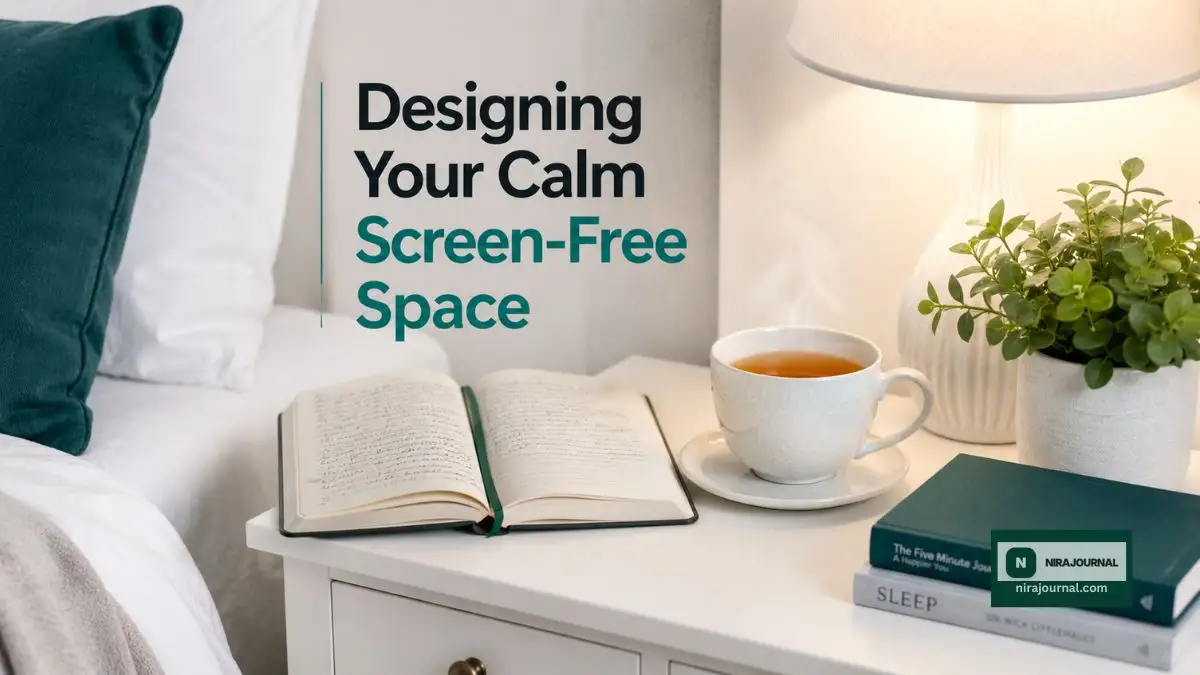
If you want to make this highly effective, create a specific "wind-down box" and keep it in your living room. Fill it with a good book, a nice smelling candle, some herbal tea bags, and a crossword puzzle. When the clock hits 8:30 PM, put your phone in another room, open your box, and let the relaxation begin.
You will find a great resource on this transition below. This short guide perfectly explains the power of stepping away from the constant noise.
Watch this incredibly helpful breakdown on how stepping away from your phone completely changes your mental state and prepares you for deep rest.
Taming the Fear of Missing Out
One of the biggest hurdles you will face when building this routine is the psychological fear that you are missing something important. We are heavily conditioned to believe that we must be available to everyone, at all times.
You might worry that a friend will text you an emergency, or that you will miss a breaking news story. But you have to ask yourself a very honest question: how often does a true emergency actually happen at 10 PM on a Tuesday?
Most of the time, the emails, texts, and notifications can easily wait until tomorrow morning. The world will absolutely keep spinning if you are offline for a few hours. If you want to dive deeper into managing this nighttime anxiety, you can explore proven techniques to lower evening stress levels from trusted mental health professionals.
Start small if you feel anxious. You do not have to abandon your phone for the entire evening right away. Try putting it on silent and placing it in a drawer just thirty minutes before you go to sleep. Once you see that nothing terrible happens, you can slowly extend that time to an hour, and then two hours.
The beauty of a screen-free evening is that it gives you back your personal freedom. You are no longer reacting to what other people want from you. You are finally taking the time to care for your own mind and body.
Creating a sustainable wind-down ritual is not about following strict, rigid rules. It is about gently guiding your body out of the stressful daytime mode and into a peaceful, resting state. By changing your lighting, stretching your body, dumping your worries on paper, and enjoying simple, quiet activities, you are naturally preparing yourself for the deep sleep you truly deserve.
Try implementing just one of these small changes tonight. Maybe you just dim the lights. Maybe you just read five pages of a real book. Small, consistent steps will eventually build a beautiful, completely relaxing evening routine that you look forward to all day long.
Taking Your Evening Calm to the Next Level
Once you master the basics of stepping away from your digital screens, you are ready to build deeper habits that stick. Simple willpower is rarely enough to keep you away from glowing devices over the long term. You need to train your mind using physical triggers that automatically tell your body it is time to relax.
One of the smartest ways to do this is by creating sensory anchors in your bedroom and living space. Our brains love patterns, and they associate specific smells, sounds, and temperatures with specific behaviors. When you use the same calming scent every single night, your mind soon learns that this smell means sleep is coming.
Using Aromatherapy as a Physical Trigger
You do not need an expensive spa setup to use scent as a relaxation tool. A simple drop of natural lavender or eucalyptus oil on your pillowcase can work wonders for an overactive brain. You can also light a natural beeswax candle during your reading time to fill the room with a gentle, earthy aroma.
Over time, your nervous system begins to connect that specific fragrance with feeling safe and sleepy. Whenever you smell it, your heart rate naturally begins to slow down without you even trying.
If you want to explore the medical evidence behind simple sleep hygiene habits, you can review proven daily habits that lead to better restful sleep from experienced clinical doctors. Pairing these natural biological triggers with a dark, cool room makes your bedtime routine effortless.
The Two-Hour Buffer Strategy
Many people make the mistake of trying to go from high-energy work mode right into deep sleep in just fifteen minutes. Your body is not a light switch that can just be flipped off instantly. You need to give your stress hormones enough time to leave your bloodstream after a busy day.
Try creating a simple two-hour buffer zone before your actual bedtime. During the first hour, you can do light household chores, prepare your lunch for tomorrow, or chat with your family. During the final hour, you completely stop all problem-solving activities and switch to quiet, solo hobbies.
This gentle downward slope prevents the sudden panic that often happens when you lie down in total silence. By the time you finally climb into bed, your mind has already been resting for an entire hour.
Mastering the "Rebound Boredom" Phase
When you first remove digital entertainment from your evenings, your brain will likely complain loudly. We are so used to endless dopamine hits from short videos that quiet reading can feel boring for the first week. Do not panic or give up when you experience this temporary resistance.
This uncomfortable feeling is simply your brain healing from sensory overload. It is completely normal to feel restless when you sit in silence after months of constant screen time.
Beating Afternoon Brain Fog When Caffeine No Longer Keeps You Awake or Focused
When you feel that sudden urge to grab your phone, take three slow, deep breaths and stick with your analog activity for just five more minutes. In almost every case, the urge to check your screen will pass quickly, and a wave of natural sleepiness will replace it.
Creating an Easy Morning Setup at Night
A secret habit of people who sleep deeply is that they prepare for tomorrow before they go to bed. A lot of our nighttime anxiety comes from worrying about morning chaos. When you spend ten minutes laying out your clothes and setting up the breakfast table, you remove a heavy weight from your mind.
You are sending a clear message to your brain that everything is under control for tomorrow. Because tomorrow is already handled, you do not need to lie awake planning every detail of your morning commute. You can truly surrender to sleep without any guilty feelings.

The Quiet Traps That Ruin Your Bedtime Success
Building a new lifestyle habit is a journey, and there are several common traps along the way. Many well-meaning people try to fix their evening routine, only to end up more stressed and frustrated than before. Knowing these hidden traps ahead of time will help you protect your progress and avoid unnecessary anxiety.
The Trap of Sudden Perfectionism
One of the biggest mistakes you can make is trying to be completely perfect from day one. Some people declare that they will never look at a screen after sunset ever again. This extreme approach almost always leads to burnout and disappointment within a few days.
If you have a difficult day and end up watching a short video at 9 PM, do not punish yourself or abandon your entire routine. Progress is about general consistency, not rigid perfection. Simply put the phone down, take a deep breath, and return to your physical book or warm tea without any guilt.
Trading Screens for Late-Night Chores
Another dangerous trap is replacing your screen time with heavy physical work around the house. Some people turn off the television and decide to scrub the kitchen floor or organize the garage at 10 PM. This is a massive mistake because it spikes your heart rate and wakes up your muscles.
Evening hours should be sacred time for slowing down, not an opportunity to cross more difficult items off your to-do list. Keep your late-night activities peaceful, slow, and low-energy.
Ignoring Your Physical Posture During Hobbies
Even when you are offline, how you sit and move matters deeply for your rest. Many people switch from a laptop screen to a physical book, but they continue to curl up in a tight, awkward ball on the couch.
Warning: How Poor Posture Destroys Your Daily Productivity [Avoid These Mistakes]
Holding your neck at a painful angle while reading or doing puzzles creates physical muscle knots. This bodily stress triggers your brain to stay alert, making it much harder to fall asleep later. Always make sure your spine is comfortable and well-supported when you enjoy your quiet evening hobbies.
The Sneaky "One Last Notification" Loop
We have all lied to ourselves by saying, "I will just check my email one last time before I close my eyes." That single innocent check is often the gateway to forty-five minutes of scrolling. A single stressful work email or negative news headline can instantly ruin two hours of careful relaxation.
When you see a stressful message, your body instantly releases stress hormones that make your heart race. To understand the physical damage of this reaction, you can read about how the natural stress response keeps the body awake from leading health researchers. Protect your peace by keeping your phone charging in another room entirely so you are never tempted to check it.
Forcing Sleep When You Are Wide Awake
If you lie in bed for twenty minutes and cannot fall asleep, do not stay there staring at the ceiling. Lying in bed while frustrated trains your brain to associate your mattress with stress and insomnia.
Instead, get out of bed slowly and walk over to a comfortable chair in dim lighting. Read a few pages of a simple book or listen to the quiet sounds of your home until your eyelids feel heavy again. Only return to your bed when your body is genuinely ready to sleep.
Your Blueprint for Lifelong Evening Peace
Changing the way you spend your evenings is one of the most loving gifts you can give to your future self. You do not need expensive sleep tools, complicated schedules, or perfect discipline to make this work. All you need is a genuine desire to protect your mind from constant digital noise.
By replacing harsh blue light with warm lamps, physical tension with gentle stretches, and screen scrolling with comforting hobbies, you reclaim your nights. You transform your bedroom from a second office into a genuine sanctuary of rest.
Your Action Plan for Tomorrow Night
- Set a specific alarm for two hours before your bedtime to remind yourself to start winding down.
- Switch off all overhead bulbs and turn on small, warm table lamps around your living space.
- Move your charging cable out of the bedroom and into the kitchen or living room.
- Spend just five minutes writing down tomorrow's tasks on a physical pad of paper.
- Enjoy thirty minutes of an analog hobby like reading, drawing, or light stretching in a quiet room.
I know how hard it feels to break away from that glowing screen when you are completely exhausted from a tough workday. My own sleep used to be a total mess, but taking that first small step of reading a real book in dim light changed my daily energy completely. You deserve to wake up feeling rested, clear-headed, and happy, so start with just one small change tonight and watch how your life transforms!
Common Questions About Screen-Free Evening Rituals
What if my job requires me to be on call for emergencies at night?
You can easily handle on-call responsibilities without getting sucked into regular phone screen scrolling. Simply set your device to allow emergency calls from specific work contacts while blocking all general app notifications. Keep the phone face-down on a dresser across the room so you only hear loud rings without seeing visual light alerts.
How long does it actually take to see improvements in my sleep quality?
Most people notice a positive difference in how quickly they fall asleep within just three to four days of reducing night screens. Deep, lasting improvements to your morning energy and overall mood usually become obvious after two full weeks of consistent practice. Your brain quickly learns to love the quiet routine once the initial boredom fades away.
Can I still watch television if I wear special blue light blocking glasses?
Blue light glasses do help reduce eye strain, but they do not solve the problem of mental overstimulation from fast video content. Action movies, loud news broadcasts, and dramatic shows still trigger stress hormones that keep your brain awake. It is always much healthier to switch to quiet, offline hobbies during your final hour before bed.
What should I do if I wake up in the middle of the night and feel tempted to check my phone?
Never reach for your phone if you wake up unexpectedly, as the bright screen will immediately stop your body from returning to deep sleep. Instead, try taking slow, deep breaths into your belly while keeping your eyes gently closed in the dark. If you stay awake for more than twenty minutes, sit up in dim light and read a boring book until you feel sleepy again.
Is listening to an audiobook or podcast considered unhealthy screen time?
Listening to audio is a fantastic screen-free option as long as you do not stare at the screen while controlling the app. You can start the audio track, turn your screen completely off, and place the device out of arm's reach. Choose calm, slow-paced stories or soothing background sounds that do not require intense mental focus.
How can I get my family members to join my quiet evening routine?
Do not try to force your entire household to change their habits overnight, as this often causes unnecessary arguments. Lead by positive example by dimming the common room lights and enjoying your own books or hobbies peacefully. When your family sees how calm and happy you look every morning, they will naturally want to try the routine with you.
Disclaimer: This article is for informational and educational purposes only and does not constitute medical advice. The tips and strategies shared here are based on general wellness principles and personal experiences. If you suffer from chronic insomnia, severe sleep disorders, or persistent mental health challenges, please consult a qualified healthcare professional or physician for personalized diagnosis and treatment.
About the Author
Munira Parveen is a dedicated Digital Content Strategist and Lead Researcher with a passion for simplifying complex topics. From navigating personal finance and emerging tech trends to uncovering the best practical lifestyle solutions, she spends her time analyzing data to bring readers highly accurate, actionable, and easy-to-understand guides. Her ultimate goal is to empower everyday people to make smarter, more informed decisions in this fast-paced digital world.
![7 Proven Ways to Beat Afternoon Brain Fog [Step-by-Step]](https://nirajournal.com/storage/uploads/blogs/1786249553_7-proven-ways-to-beat-afternoon-brain-fog-step-by-step.webp)