Quick Takeaways: Reclaim Your Digital Life
- Stop Renting: Understand that on traditional social media, you are the product, not the owner.
- Own Your Keys: Moving to a decentralized wallet means no one can lock you out of your own data.
- Small Steps Win: You don't need to be an expert; start by securing your personal data in one decentralized app.
- Security First: Never share your secret recovery phrases—you are your own bank now.
The Digital Tug-of-War: Why You Feel Left Behind
Ever feel like you’re just a guest in your own digital house? One day your account is thriving, and the next, it’s gone because of an algorithm shift you didn't even know happened. It’s frustrating, right? You aren't alone in feeling like you're losing grip on your online life. Let’s talk about why you’re feeling this way and how to actually take the steering wheel back.
We live in an age where big platforms dictate what we see, who we talk to, and how our information is handled. It creates a constant sense of anxiety and helplessness, knowing that with one algorithm update, your hard-earned visibility could vanish. You might feel frustrated by the lack of transparency in how your data is managed or why your content reach fluctuates daily. This loss of control chips away at our mental peace and leaves us feeling like temporary guests in a house we helped build.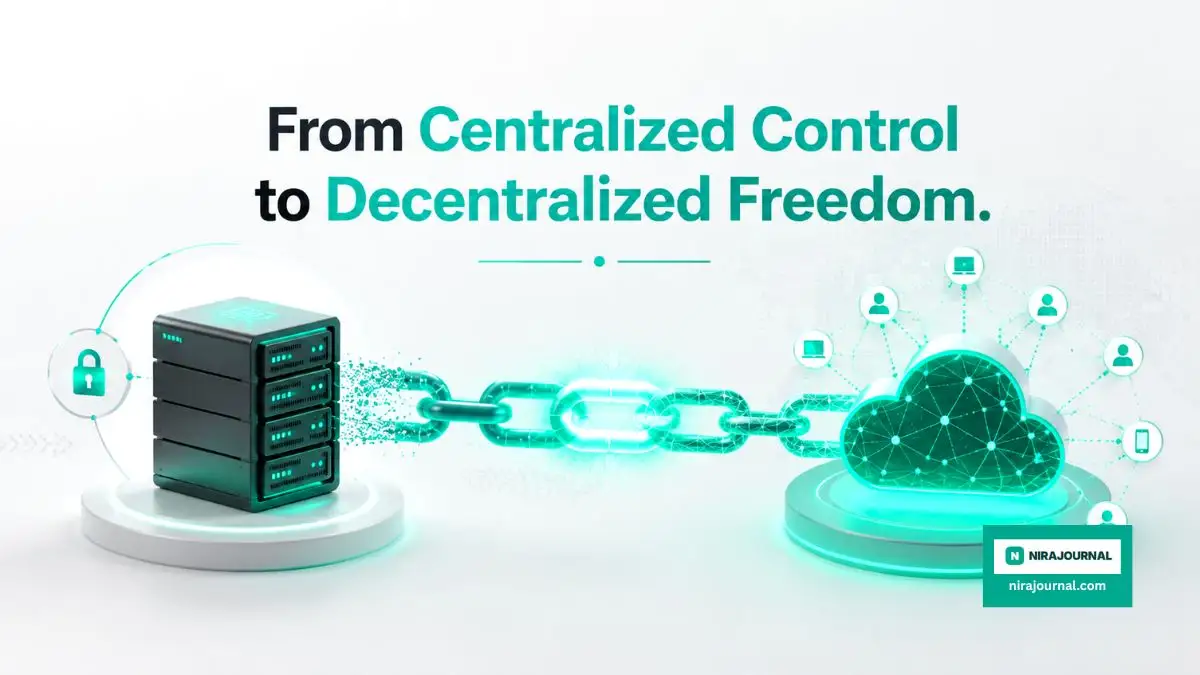
Understanding the Foundation: From Rented Spaces to Personal Territory
To grasp why this shift is happening, we must look at how we got here. The early internet was a place of connection, but the middle era—the one we are in now—became defined by giant silos. These silos store our data, sell it to advertisers, and keep the profits. The shift to Web3 is essentially an architectural upgrade that moves power back to the individual.
The Problem with Centralized Control
In our current setup, if you want to use a platform, you agree to their rules. If the platform decides to shut down, change its terms, or ban your account, you have no recourse. This is what we call Centralized Control. Think of it like living in a rental apartment where the landlord can change the locks whenever they want.
Why Ownership Changes Everything
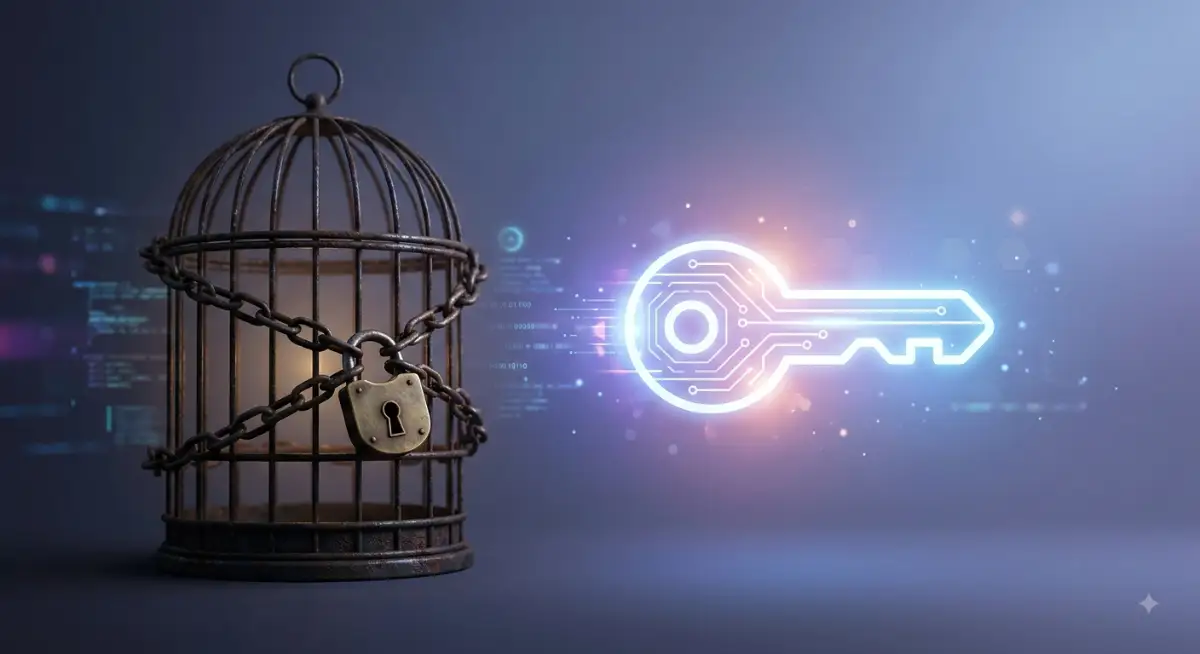
Web3 introduces the concept of User-Owned Networks. By using blockchain, we can create systems where the users themselves own a piece of the network. When you interact with these platforms, you aren't just a visitor; you are a participant with actual rights. This is similar to moving from renting an apartment to actually owning the property. You have a stake in the value being created, and you aren't subject to the whim of a single landlord.
How Blockchain Acts as the Engine
At its core, blockchain is simply a shared, unchangeable record of truth. It allows us to prove ownership without needing a middleman like a bank or a tech giant to verify it for us. If you want to dive deeper into how this impacts your financial autonomy, check out our guide on DeFi Demystified: The Ultimate Guide to Passive Income [Beginner-Friendly]. This shift ensures that if you create value, you—not the platform—reap the rewards.
Practical Steps to Embrace the New Era
Transitioning doesn't mean you have to be a computer scientist. It is about small, conscious shifts in how you use digital tools.
Quick Action Checklist for You:
- Export your data: Save your contacts and content from old platforms.
- Get a non-custodial wallet: Start with something user-friendly like MetaMask or Trust Wallet.
- Test small: Don't move everything at once. Play with a tiny amount to get comfortable with the interface.
Taking Inventory of Your Digital Footprint
Start by auditing the accounts where you store your most valuable assets or data. Are you relying on a single platform for everything? If a company disappeared tomorrow, would you lose your identity, your history, and your connections? The goal is to move toward platforms that use open protocols, where you own your data and can take it with you if you decide to leave.
Securing Your Own Digital Keys
In the old world, a password was enough. In the world of user-owned networks, you need to manage your own access. This involves using non-custodial tools where you are the only one holding the "keys" to your account. To understand the risks involved and how to keep your assets safe, you should read more about 7 Hidden Truths About Crypto Wallets (Avoid These Mistakes).
Pro Tip: I learned this the hard way: never share your recovery phrases with anyone, no matter how helpful they seem online. I once nearly lost access to my wallet because I thought a "support" person needed it to fix a sync error. My biggest realization was that in a decentralized world, the security of your account is 100% your responsibility.
The Video Perspective
If you are wondering how this shift looks in practice, this video breaks down the core concepts in a way that makes sense for everyone.
Engaging with Community Governance
One of the most exciting aspects of Web3 is participating in the decisions of a network. Instead of a board of directors making all the choices, many decentralized networks allow users to vote on updates. This is true digital democracy. It is a powerful change that turns passive users into active stakeholders.
Prioritizing Privacy and Data Sovereignty
When you interact with a website now, ask yourself: what am I giving up? In the future, you will have a "digital wallet" that acts as your login for everything. You choose what information you share, and you can revoke that access at any time. This shift is already starting to take hold in various sectors of the internet.
Reality Check: The Learning Curve
It is perfectly normal to feel intimidated by new technology. Many people find the shift from "log in with Facebook" to "connect your wallet" a bit strange at first. However, consider the benefits: you are no longer locked into an ecosystem that doesn't respect your privacy. You are building a digital life that you genuinely control.
Myth vs. Reality
There is a common myth that Web3 is only for people who are obsessed with money or complex trading. The reality is that the most important part of this shift is the usability and ownership of your content and data. Whether you are a creator, a casual user, or an investor, having control over your digital life is a fundamental right.
For those interested in the broader economic impact of these technologies, many experts turn to resources like The Blockchain Research Institute to see how decentralized structures are impacting industries globally. Similarly, looking at official resources on Digital Identity can help you understand why moving toward user-owned data is so necessary in today's world.
Mastering Your Digital Sovereignty: Advanced Strategies for the Decentralized Web
Transitioning to a user-owned network is not just about changing platforms; it is about changing your mindset. Once you start using tools that allow you to hold your own data, you stop being a passive user and start being an active participant. To really thrive in this new environment, you need to go beyond the basics. You must understand how to manage your presence across multiple decentralized channels while keeping your identity secure.
Leveling Up: Professional Insights for Long-Term Success
The most successful people in this space treat their digital presence like a real-world investment portfolio. You need to diversify where you hold your assets and how you interact with different networks. Instead of locking yourself into one ecosystem, look for ways to maintain interoperability. This means your data and your digital reputation should move with you, regardless of which specific app you are using on a given day.
One secret to long-term success is learning how to manage your digital reputation through Self-Sovereign Identity. Instead of relying on a platform-provided login, you start building a history that you control. This allows you to carry your achievements and verified information from one network to another without starting from scratch. You can find more technical insights on how these protocols function at The W3C Decentralized Identifiers (DIDs) documentation, which explains the standards behind true digital ownership.
Another pro-level secret involves understanding the timing of your interactions. Since these networks operate on open ledgers, your activity is public record. Being mindful of when and how you transact ensures that your privacy remains protected while still participating in the ecosystem. I often recommend that people treat their public addresses with the same care as their physical home addresses. It is about balancing transparency with the necessary layers of personal protection.
The Hidden Traps: Avoiding Common Digital Pitfalls

Many people jump into this space with high enthusiasm but stumble over predictable hurdles. It is heartbreaking to see users lose access to their hard-earned assets simply because they didn't understand the permanence of their actions. The most common pitfall is the "Convenience Trap." When you choose an easy solution that compromises your security, you are essentially opening the door for bad actors.
Another dangerous mistake is ignoring the importance of managing your own private keys. Many users assume that because they have a fancy interface, someone else is backing up their data. In a truly decentralized network, there is no "Forgot Password" button managed by a central help desk. If you lose your keys, you lose your access—period. To prevent this, you should master the fundamentals of keeping your credentials safe as outlined in our guide on The Ultimate Guide to Crypto Key Management [Step-by-Step].
Neglecting to research the regulatory landscape can also lead to unnecessary stress. While the technology is decentralized, how you use it may still intersect with local laws. Staying informed about your regional responsibilities is a smart way to avoid complications. You can read up on the nuances of how global policies are shaping the future at The OECD report on Digital Finance, which provides a great overview for those wanting to stay ahead of the curve.
Also, be wary of "get rich quick" schemes disguised as Web3 projects. If something sounds too good to be true, it usually is. True ownership is about sustainable value, not overnight miracles. Focus on projects that offer real utility and have a community that values long-term stability over short-term hype.
Your Path Forward: Building Your New Digital Reality
The shift toward user-owned networks is inevitable because it solves the fundamental problem of trust. We are moving toward a future where you don't have to trust a company to do the right thing; you can verify the code and the rules for yourself. This is an empowering change that puts you firmly in the driver’s seat.
You should also start looking into how different chains connect, as the future is multi-chain. Understanding this now will save you time later when you need to navigate between different digital environments. For a better grasp of the broader landscape, keep an eye on how frameworks are evolving, which we discuss in our upcoming post,The Evolution of Global Regulatory Frameworks for Distributed Ledger Technology.
My journey began with a single wallet, and I felt just as overwhelmed as you might feel today. The key is to take one step at a time and never rush your security practices. I promise that once you cross that threshold, you will never want to go back to the old way of doing things. My hope is that you take charge of your digital life today, own your data, and help us build a better internet for everyone.
Common Questions About the Future of Web3
Why should I care about decentralization?
Decentralization means you own your digital assets and identity. You are no longer subject to the arbitrary rules of a central corporation that can take away your access at any time.
Is this transition difficult to learn?
It does require a shift in how you handle security and data. While there is a learning curve, the tools are becoming more user-friendly every day for beginners.
Can I lose my data in a decentralized system?
You are responsible for your own data security, which is a big change. If you manage your keys properly, your data is actually safer and more permanent than it would be on a centralized server.
Do I need to be a programmer to participate?
Absolutely not. You just need to be willing to learn how to manage your digital tools, like wallets and identity keys, which are becoming standard for regular internet users.
How do I know which platforms to trust?
Look for projects that are open-source and have a transparent community. If you can see the code and the community is active, you are on the right track.
Disclaimer: This content is for educational purposes only and does not constitute financial, legal, or investment advice. Always perform your own research and consult with a professional advisor before making any decisions related to digital assets or technology adoption.
About the Author
Munira Parveen is a dedicated Digital Content Strategist and Lead Researcher with a passion for simplifying complex topics. From navigating personal finance and emerging tech trends to uncovering the best practical lifestyle solutions, she spends her time analyzing data to bring readers highly accurate, actionable, and easy-to-understand guides. Her ultimate goal is to empower everyday people to make smarter, more informed decisions in this fast-paced digital world.

![DeFi Demystified: The Ultimate Guide to Passive Income [Beginner-Friendly]](https://nirajournal.com/storage/uploads/blogs/1786597642_defi-demystified-the-ultimate-guide-to-passive-income-beginner-friendly.webp)