
Quick Wins for Your Credit Score
- The 30% Rule: Keep your total credit card balances below 30% of your total limits at all times.
- Statement Timing: Pay off your balance a few days before your "Statement Closing Date" to keep reported utilization low.
- Never Close Old Accounts: Keeping old cards open helps your credit age and total available credit limit.
- Ask for Increases: Request a credit limit increase every 6 months to improve your ratio naturally.
The Hidden Reason Your Loan Applications Keep Getting Rejected
Dealing with a rejected loan application feels like hitting a wall when you thought you had a clear path ahead. You have the steady income, you pay your bills on time, yet the bank says "no." It is frustrating, but here is the truth: lenders often look at a hidden metric that has nothing to do with your character—your credit utilization. Let’s pull back the curtain on this and fix your borrowing power.
Getting a loan can feel like a maze, especially when you are unsure about what lenders actually care about. To help you get a clearer picture of what happens behind the scenes at a bank, you should check out The Ultimate Roadmap to Understanding Loan Evaluation Processes. Understanding these hidden evaluation steps will give you the confidence to manage your finances better and avoid the common traps that lead to rejection.
Imagine you have a steady job. You pay your bills on time every month. You rarely miss a payment.
You walk into a bank, confident that you will get that car loan or home mortgage. But then, the officer looks at your report and shakes their head.
"Your credit score is too low," they say. Or even worse, "Your debt levels are too high for us to take a risk."
You feel a sinking feeling in your stomach. You did everything right, or so you thought.
This is the reality for thousands of people. They focus so much on "paying on time" that they forget one massive factor: Credit Utilization.
It only cares about the numbers on your credit card statements. When these numbers get too high, your borrowing power disappears. It can lead to sleepless nights. You might feel trapped in a cycle of debt.
But I want you to know one thing. This is not your fault.
The financial system is complex. Most schools never teach us how these ratios work.
I am here to change that for you today. Let’s look at how you can take control of your financial life.
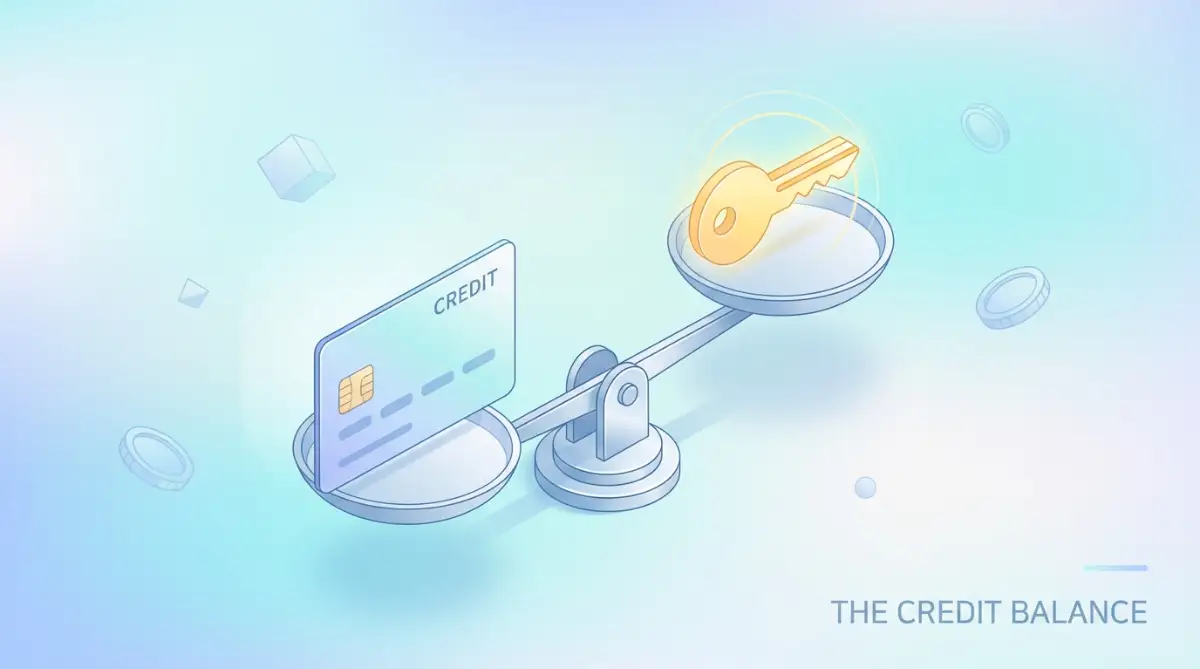
Understanding the Basics of Your Credit Utilization Ratio
To fix the problem, we first need to know what it is. Think of your credit limit as a big bucket.
Your credit utilization is simply how much water (debt) you have put in that bucket. If the bucket is almost full, lenders get scared.
They think you are "maxed out." They worry that you are relying too much on borrowed money to survive.
The Simple Math Behind the Numbers
Watch this quick video to see exactly how these credit numbers work in real life. Seeing the math in action will help you master your score much faster and give you the confidence to finish the rest of this guide!
You don't need to be a math genius to figure this out. It is actually very easy.
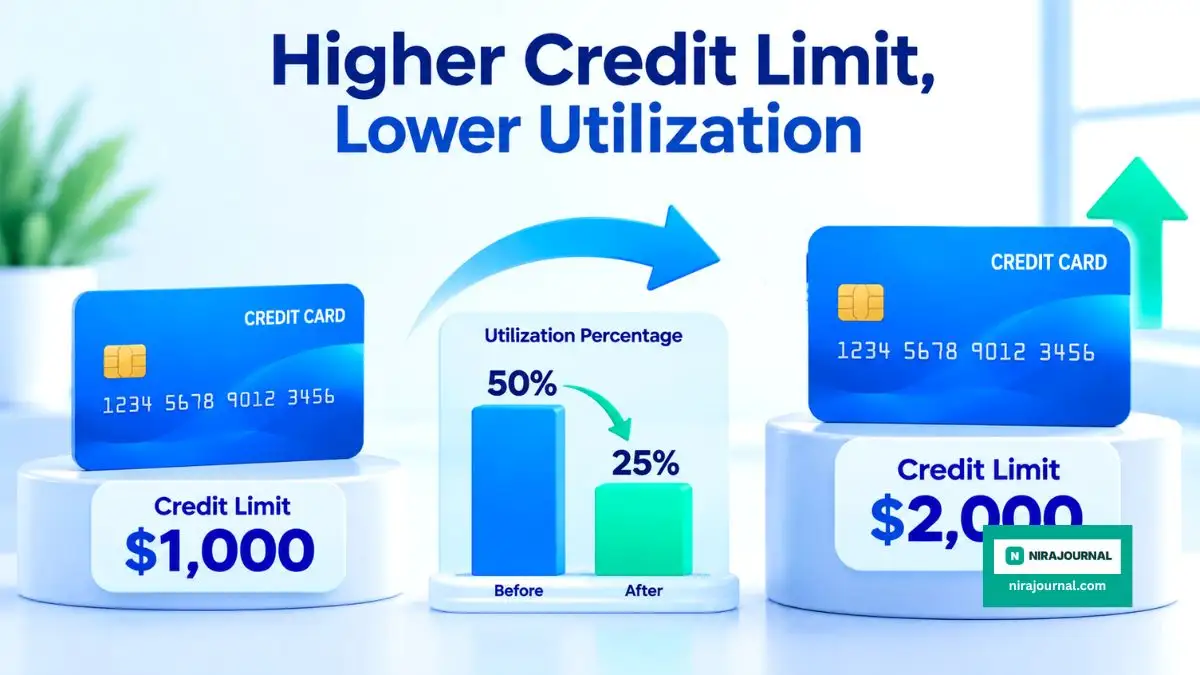
Let’s say you have one credit card. The limit on that card is $1,000.
If your current balance is $500, your utilization is 50%. Most experts say you should keep this number under 30%.
If you want the best possible score, some say keep it under 10%. High utilization tells banks you are a high-risk borrower.
Utilization Impact Cheat Sheet
How This Ratio Affects Your Credit Score
Your credit score is made of several pieces. Credit utilization is usually the second most important factor.
It accounts for about 30% of your total score. That is a huge chunk!
If you pay your bills on time but keep your cards maxed out, your score will stay low. It is like trying to run a race with heavy weights tied to your ankles.
Even if you run perfectly, those weights will slow you down. By lowering your utilization, you are removing those weights.
Why Lenders Care So Much About This Factor
Lenders want to make sure you can pay them back. They look at your credit cards as a sign of your spending habits.
If they see you using 90% of your available credit, they see a "red flag." They think you might be in financial trouble.
They assume you are living beyond your means. This makes them less likely to give you a new loan.
If they do give you a loan, they will probably charge you a much higher interest rate. Lowering your ratio can save you thousands of dollars in interest over time.
Practical Steps to Lower Your Utilization Starting Today
You don't have to wait months to see a change. There are things you can do right now to move the needle.
Make Multiple Payments Throughout the Month
Most people pay their credit card bill once a month. This is a mistake if you want to boost your score.
Credit card companies report your balance to the credit bureaus once a month. If you wait until the due date, they might report a high balance.
Instead, try making small payments every two weeks. Or, pay off your balance right after you make a big purchase.
This keeps your "reported" balance low. It tricks the system into seeing a lower utilization ratio.
Ask for a Higher Credit Limit
One thing I learned from my own mistakes is to never ignore those tiny balances on cards you rarely use. I once saw my score drop because of a $12 subscription I forgot about, proving that even small numbers can have a big impact on your borrowing power. It is much better to keep a close eye on every single account you own.
This is a clever trick that many people overlook. If you have been a good customer, call your bank.
Ask them to increase your credit limit. If your limit goes from $1,000 to $2,000, but your spending stays at $300, your ratio drops instantly.
It goes from 30% down to 15%. This is one of the fastest ways to improve your score without spending an extra penny.
Just be careful. Only do this if you have the discipline not to spend the extra credit.

Keep Your Old Credit Cards Open
You might be tempted to close an old credit card once you pay it off. Don't do it!
Closing a card reduces your total available credit. If your total credit limit drops, your utilization ratio will automatically go up—which can lower your credit score.
Even if you don't use the card, keep it safely in a drawer. It helps your "total credit" and "credit history age" look better to the bureaus.
📊 Credit Utilization & Your Score:
🔹 0% - 10% Utilization
- Impact: Excellent
- Perception: Very Low Risk
🔹 11% - 30% Utilization
- Impact: Good
- Perception: Managed Well
🔹 31% - 70% Utilization
- Impact: Fair / Poor
- Perception: High Risk
🔹 71% - 100% Utilization
- Impact: Very Poor
- Perception: Maxed Out / Danger
💡 The Bottom Line:
The longer you keep an account open, the better it is for your credit health. Keep those old accounts active to maintain a strong score!
The Myth of the "Zero Balance"
Many people think they should have a 0% utilization. They think they should never use their cards.
Actually, having a tiny bit of activity is better. It shows that you know how to use credit responsibly.
Aim for 1% to 3% utilization if you really want to impress the banks. It shows you are active but very careful.
How Timing Plays a Big Role
The date you pay your bill is not always the date the bank reports to the credit bureau. These are two different things.
Your "Statement Closing Date" is what matters most. Try to have your balance as low as possible on that specific day.
You can find this date on your monthly statement. Mark it on your calendar.
Paying a few days before the statement closes can make a huge difference.
Real-Life Scenario: The Story of Mike
Let’s look at Mike. Mike had three credit cards.
Each card had a $2,000 limit. He owed $1,500 on each one.
His total limit was $6,000, and his total debt was $4,500. This put him at 75% utilization.
Mike’s credit score was 620. He couldn't get a loan for a new truck.
Mike didn't have the money to pay off all the debt at once. So, he focused on one card at a time.
He also asked for a limit increase on his oldest card. Within three months, his utilization dropped to 40%.
His score jumped to 680. He was finally able to get the truck loan with a much better interest rate.
Mike’s story shows that you don’t need to be rich to fix your credit. You just need a plan.
Common Mistakes to Avoid at All Costs
When trying to fix your credit, it is easy to make mistakes.
Don't open too many new cards at once. Each time you apply for a card, your score takes a small hit.
Don't ignore your small balances. Even a $20 balance on a card with a $100 limit is 20% utilization.
Always keep an eye on the total picture. Your "per-card" utilization matters just as much as your "total" utilization.
Lenders look at both. If one card is maxed out, it hurts you even if your other cards are empty.
Conclusion of Part 1
Understanding credit utilization is the first step to financial freedom. It gives you the power to control how the world sees you.
It allows you to walk into a bank with your head held high. You no longer have to fear a "No."
By managing your balances and knowing the rules of the game, you win. You save money, reduce stress, and build a better future for your family.
In the next part, we will explore even deeper strategies. We will look at how to handle "hard inquiries" and how to fix errors on your report.
Stay focused. Your financial health is worth the effort. You have the tools now. It's time to use them.
Smart Strategies to Master Your Credit Limits for Long-Term Success
Now that you know the basics of credit utilization, it is time to look at the advanced methods. These are the steps that experts use to stay at the top of the credit game.
One of the most effective methods is called the AZEO method. This stands for "All Zero Except One."
In this strategy, you pay off almost all your credit card balances to zero before the statement closing date. You leave only one card with a very small balance, usually less than $10.
This tells the credit scoring models that you are active but have zero risk. It shows you have massive amounts of credit available but choose not to use it.
Lenders love seeing this because it shows incredible self-control. It is one of those small personal finance habits that lower credit scores if you do the opposite and let every card show a balance.
Most people confuse the Due Date with the Statement Closing Date. Your credit card issuer only reports your balance to bureaus on the closing date. If you pay your balance in full 3 days before this date, your statement will show a $0 balance, effectively reporting 0% utilization to the credit bureaus—even if you spent heavily during the month!
The Magic of Becoming an Authorized User
If you are struggling to lower your ratio because your limits are low, there is a shortcut. You can ask a trusted family member with a high credit limit and a perfect payment history to add you as an authorized user.
When they add you, their high credit limit becomes part of your credit report. This instantly increases your total available credit.
If they have a $10,000 limit and use only $100 of it, that positive ratio helps you too. Your own utilization percentage will drop overnight.
You don't even need to use their card or even have the physical card in your hand. Just being on the account helps your "borrowing power" grow.
Timing Your Payments with Precision
Most people think paying by the "due date" is enough. If you want a perfect score, you need to look at the statement closing date.
This is the day the bank takes a "snapshot" of your balance and sends it to the credit bureaus. If you spend $900 on a $1,000 limit and pay it on the due date, the bank has already reported a 90% utilization.
To win this game, pay your balance a few days before the statement closing date. This way, when the snapshot is taken, it shows a $0 or very low balance.
According to the Consumer Financial Protection Bureau, understanding how these reports work is a major part of financial literacy. It helps you stay ahead of the banks.
Diversifying Your Credit Portfolio
While we are talking about credit cards, your total borrowing power also depends on your credit mix. This means having different types of loans.
If you only have credit cards, your score might hit a ceiling. Adding a small personal loan or an installment loan can help.
This shows you can handle different types of debt, not just revolving credit. However, always remember that your debt-to-income ratio is also being watched by lenders.
If you take on too many loans, even with good utilization, you might look over-extended. You should always research how your debt-to-income ratio works before taking out new installment loans.
Requesting Strategic Limit Increases
We mentioned this briefly before, but let’s look at the "how" and "when." Don't just ask for an increase randomly.
The best time to ask is after you get a raise at work or after you have paid off a large chunk of debt. Banks are more likely to say yes when you look financially strong.
Some banks will do a "soft pull" on your credit, which doesn't hurt your score. Others might do a "hard pull."
Always ask the bank representative which one they will do before you agree. If it’s a hard pull, make sure the potential increase is worth the small, temporary drop in your score.

The Dark Side: Mistakes That Can Reset Your Progress
It takes months to build a great credit profile, but only a few days to damage it. Many people fall into traps because they don't understand the "hidden" rules.
One of the biggest mistakes is maxing out a single card even if your total utilization is low. Let’s say you have five cards with $5,000 limits each.
Your total limit is $25,000. If you put $4,500 on just one card and keep the others at zero, your total utilization is only 18%.
On paper, that looks good. But some scoring models will penalize you for having a single card over 90% utilization.
Lenders see this and worry that you are having an emergency with that specific card. It is much better to spread a large expense across two or three cards than to max out one.
The Danger of Closing Old Accounts
It feels good to close a card you finally paid off. You might feel like you are "cleaning up" your life.
But in the world of credit, this is often a bad move. Closing an account reduces your total available credit.
If you have $10,000 in total limits and close a $3,000 card, you now only have $7,000. If you owe $2,000, your utilization just jumped from 20% to nearly 30%.
Also, closing old cards reduces the average age of your accounts. Banks like to see that you have had credit for a long time.
If you hate the card, just cut it up and throw it away. But keep the account open so the limit continues to help your score.
Ignoring the "Zombie" Subscriptions
Small things can add up. Sometimes people forget about an old $10 streaming subscription on a card they don't use.
If that card has a very low limit, say $200, that $10 charge is already 5% utilization. If you forget to pay it, you get a late fee and a massive hit to your score.
Check your statements every month for every card, even the ones you think are empty. Small mistakes like this are often why loan applications are rejected even for people with high incomes.
A single missed $10 payment can stay on your report for seven years. It is simply not worth the risk.
Applying for Too Much Credit at Once
When people learn about credit limits, they sometimes try to open five new cards in one week. This is a huge red flag for banks.
Every time you apply, it creates a "hard inquiry" on your report. Too many inquiries in a short time make you look desperate for cash.
Banks think you are about to go on a spending spree or that you have lost your job. Space out your applications by at least six months.
This gives your score time to recover. It also shows that you are making careful, planned financial moves.
According to the Federal Trade Commission, keeping your accounts secure and managing them wisely is your best defense against financial trouble. This includes being careful with how often you share your credit info with lenders.
Building a Stress-Free Financial Future
Improving your borrowing power is not a sprint. It is a long-distance walk.
You might not see a 100-point jump in one day. But if you follow these steps, the progress will happen.
Start by checking your current balances today. Write down your limits and your current spending.
Calculate your ratio for each card and for your total credit. If any card is over 30%, make a plan to pay it down first.
Use the snowball method if you need an emotional win. Pay off the smallest balance first to feel the satisfaction of clearing a debt.
Or use the avalanche method to save money on interest. Pay the card with the highest interest rate first.
The Power of Consistency
Financial peace of mind comes from knowing exactly where you stand. When you control your utilization, you control your future.
You won't have to worry when you need to buy a new car. You won't feel nervous when applying for a mortgage for your dream home.
You will know that your credit report is a reflection of your hard work and discipline. It is a tool that works for you, not against you.
Keep your balances low. Keep your old accounts open. Watch your statement dates like a hawk.
An Action Plan for Tomorrow
If you want to see results, don't just read this and forget it. Take action within the next 24 hours.
First, log into your banking apps and find your statement closing dates. Set a reminder on your phone for three days before that date.
Second, call one of your card issuers and ask for a limit increase. If they say no, don't worry. Just try again in six months.
Third, check if you have any small "forgotten" balances on cards you rarely use. Pay them off immediately.
Every small step you take today builds a stronger foundation for tomorrow. You have the knowledge now.
You understand how the system works. You are no longer a victim of confusing bank rules.
You are the manager of your own financial destiny. Go out there and make it happen.
Your future self will thank you for the work you are doing right now. Stay disciplined, stay informed, and keep moving forward.
Fixing my credit didn't just help me get a loan; it gave me back my confidence and my sleep. You have the power to change your financial story starting right now, so take that first step today and watch how quickly your life improves!
Disclaimer: The information provided in this blog post is for educational and informational purposes only. It does not constitute professional financial or legal advice. Credit laws and bank policies can vary by location and individual circumstances. Always consult with a certified financial advisor or credit counselor before making significant financial decisions.
About the Author
Munira Parveen is a dedicated Digital Content Strategist and Lead Researcher with a passion for simplifying complex topics. From navigating personal finance and emerging tech trends to uncovering the best practical lifestyle solutions, she spends her time analyzing data to bring readers highly accurate, actionable, and easy-to-understand guides. Her ultimate goal is to empower everyday people to make smarter, more informed decisions in this fast-paced digital world.