Quick Takeaways: How to Stop Leaking Money
- Fix the Envelope: Seal doors and windows before you buy any expensive green tech.
- Kill Vampire Energy: Use smart power strips to cut off appliances that drain power while turned off.
- Upgrade the Brain: A smart thermostat pays for itself by learning when you actually need heat or AC.
- Rethink Old Appliances: Patching up a 15-year-old fridge might cost you more in electricity than buying a new, efficient one.
My Personal Battle with Rising Energy Bills and Guilt
Ever opened your utility bill and immediately wanted to throw it in the trash? Yep, me too. Last winter, my heating costs practically doubled, and my house still felt like an icebox. I realized I was literally blowing money out the window. I didn't have thousands to spend on a massive solar setup, so I went looking for realistic, everyday fixes that actually work.
I always thought making a house energy-efficient meant buying crazy expensive gadgets. But honestly, I just wanted to get through the month without going broke. So, I spent a few weeks testing out small, budget-friendly tweaks. What I found completely changed my bills, and I want to share exactly what worked for me.
The Heavy Toll of an Inefficient Home
Many of us go through our days without realizing how much our homes are draining us. It’s not just about the money, though that is a huge part of it. There is a deep mental tax we pay when we feel out of control of our own living space. When you see news about climate change and then look at your old, drafty windows, it creates a sense of helplessness.
You might feel like you are working hard just to pay for heat that escapes through the roof. This "energy leak" often leads to a constant state of low-level anxiety. We worry about the future of the environment while worrying about our immediate bills. It's a double-edged sword that cuts into our peace of mind.
Most people want to help the planet, but they don't know where to start. They see complex charts and expensive solar panel ads and just give up. This confusion leads to inaction, and inaction leads to even higher footprints. Breaking this cycle is about regaining your power and finding a path that is actually doable.
Finding Your Path to a Greener Living Space
To fix the problem, we first need to look at the "skin" of our home. Think of your house like a person wearing a coat in winter. If that coat has holes, it doesn't matter how much hot cocoa you drink; you will still be cold. Insulation is the invisible hero of energy independence.
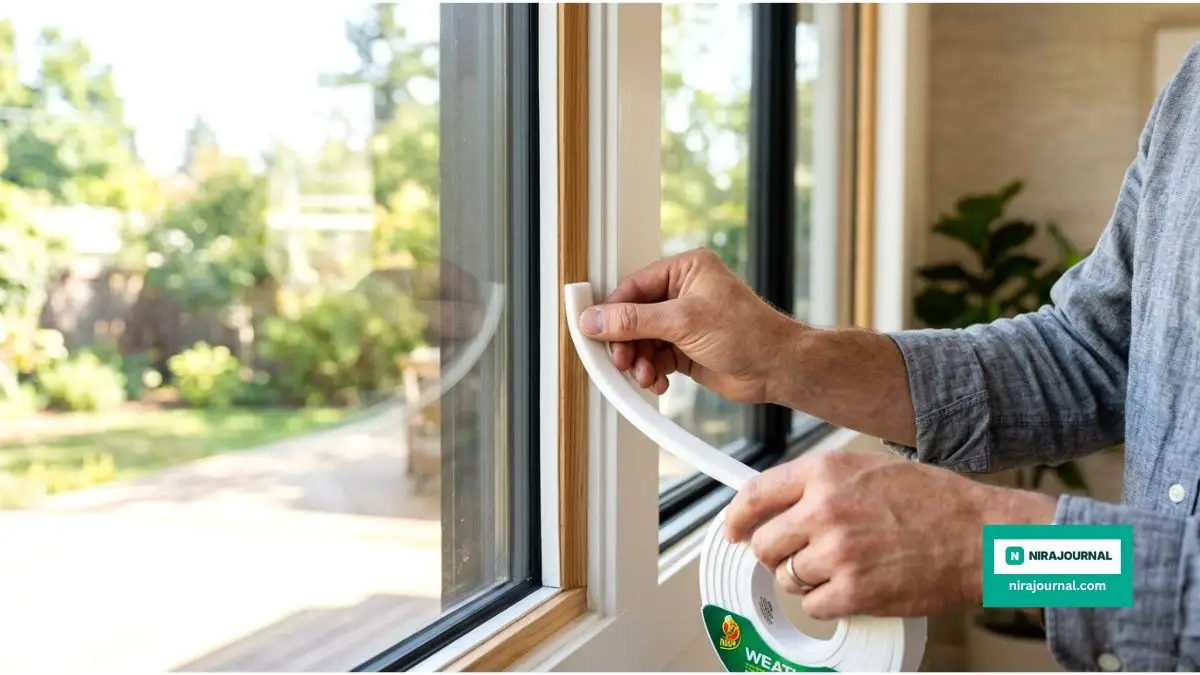
Most older homes have very thin insulation in the attic or walls. This means your heater has to work twice as hard to keep you warm. When your heater works harder, it burns more fuel and sends more carbon into the sky. By simply sealing the gaps around your doors and windows, you can stop the "bleeding" of energy.
I actually tracked my own spending on these small upgrades to see if they were worth the effort. Spoiler alert: they absolutely were. Here is a quick breakdown of what I spent versus what I saved in just the first year.
I started by using simple weather stripping that I bought for a few dollars. It was amazing how much of a difference it made. I no longer felt that tiny, cold breeze hitting my neck while I watched TV. This small win gave me the confidence to look at bigger steps.
Smart Technology: The Brain of Your Eco-Home
Once the "skin" of your home is fixed, it’s time to give it a "brain." Smart thermostats are a game-changer for anyone looking to reduce their footprint. These devices learn your schedule and adjust the temperature when you are not home. Why heat an empty house? It’s a waste of resources and money.
Are These 5 Common Pitfalls Ruining Your Business? [How to Fix Them]
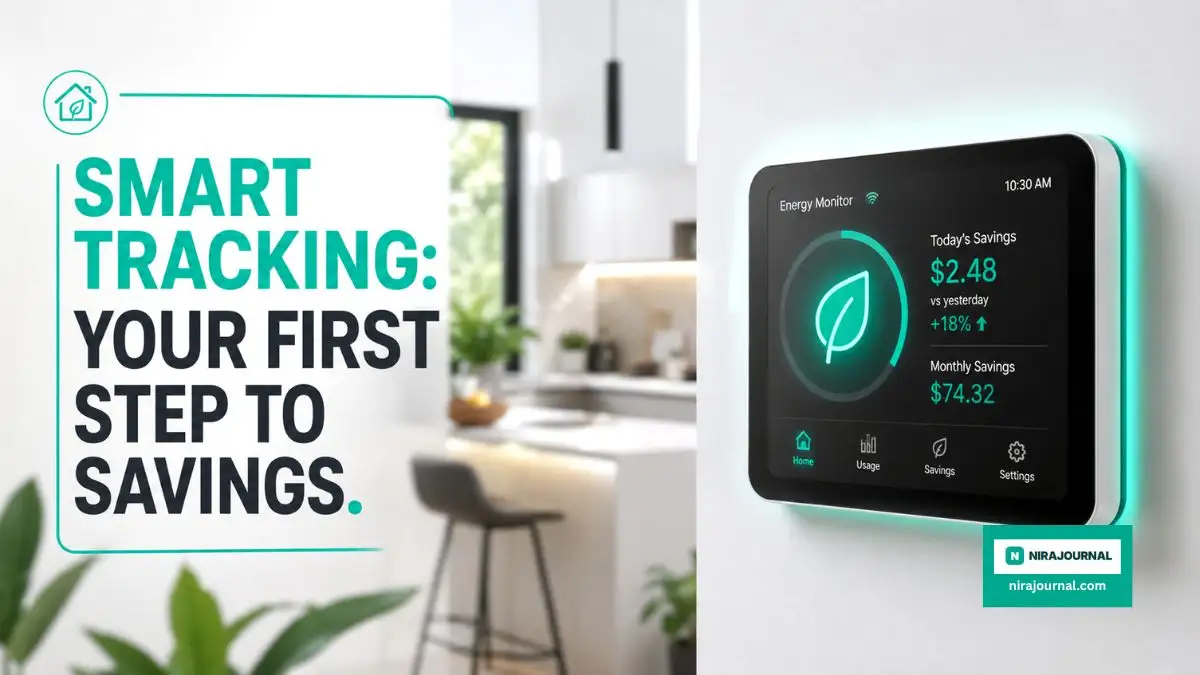
Using technology doesn't have to be scary. Most smart devices today are very easy to set up with a phone. They give you data so you can see exactly where your energy is going. It’s much easier to save when you can actually see the numbers on a screen.
Personal Note: I actually tried buying a cheap $15 smart thermostat from a random website to save a few bucks, and it completely froze my AC unit in the middle of July. Huge mistake. Here is what I did instead: I waited for a holiday sale and bought a reliable, well-known brand. Sometimes, going too cheap costs you way more in the long run!
Pro Tip: One thing I realized late in my journey was the power of "vampire energy." I used to leave my coffee maker and toaster plugged in all day long. I didn't realize they were pulling tiny bits of power even when turned off. Switching to a smart power strip saved me a noticeable amount on my monthly bill. It was a simple realization that made a big impact.
Lighting the Way Without the Carbon Load
Lighting is another area where we often overlook simple fixes. Many homes still use old-fashioned bulbs that get very hot. That heat is wasted energy. Switching to LED bulbs is the easiest upgrade you can possibly make. They use about 75% less energy and last much longer.
Quick Fact Check: Are LEDs really that much better?
Let me give you a quick comparison. An old incandescent bulb uses about 60 watts to give you a normal amount of light. A modern LED gives you the exact same brightness using only 9 watts. If you leave five lights on for five hours a day, that old setup costs you about $60 a year. The LED setup? Less than $10. It is a total no-brainer.
If you want to see how much light affects your carbon footprint, watch this helpful breakdown of modern lighting efficiency:
I replaced every bulb in my house over a weekend. The light felt cleaner, and my electricity meter slowed down instantly. It’s a small investment that pays for itself in just a few months. Plus, you won't have to climb a ladder to change bulbs nearly as often.
The Truth About Renewable Energy Options
We can't talk about independence without mentioning the sun. Solar energy is becoming more accessible for the average homeowner every day. You don't always need a massive array on your roof to make a difference. Even small solar-powered lights for your garden or a solar charger for your phone can help.
According to the latest data from the U.S. Department of Energy, residential solar and home efficiency upgrades have the potential to offset a massive portion of our national grid demand. This isn't just a trend; it's a shift in how we live. Moving toward solar means you are producing your own "clean" power instead of buying "dirty" power from a plant.
I know the cost of solar can seem high at first. But when you look at it as a long-term plan, the numbers start to make sense. It’s about being your own utility company. You gain a sense of freedom when you know the sun is powering your fridge.
Why Upgrading Old Tech is Better Than Patching It
Sometimes, we hold onto old appliances because we think we are saving money. However, an old fridge can use three times the power of a modern one. Why Fixing Your Old Tech Could Be a Costly Trap (The Truth You Need to Know)
I had an old dishwasher that I kept "fixing" with duct tape and hope. When I finally replaced it with an energy-efficient model, my water and power bills dropped. Modern appliances are designed with the planet in mind. They use less water, less heat, and less electricity to get the same job done.
It might feel like a big cost upfront, but the "leaking" costs of old tech are higher. Think of it as a trade-off. You are trading a monthly "fine" for a one-time "investment." Over time, the investment wins every single time.
Water Conservation as an Energy Strategy
Many people forget that it takes a lot of energy to heat and move water. Reducing water waste is energy independence. If you take shorter showers or use a low-flow showerhead, you are saving the electricity needed to heat that water. It’s a simple connection that most people miss.
I started timing my showers with a song. When the song ended, I was done. It sounds silly, but it saved hundreds of gallons of water a month. That meant my water heater didn't have to work as hard, and my carbon footprint shrank.
You can also look into "greywater" systems for your garden. This is using water from your sink or laundry to water your plants. It’s a bit more work, but it’s the ultimate way to close the loop in your home. Every drop saved is a win for the environment.
Building a Sustainable Mindset for the Long Haul
At the end of the day, tools and gadgets are only half the battle. The most important part of energy independence is changing how we think about our habits. It’s about asking, "Do I really need this light on?" or "Can I wear a sweater instead of turning up the heat?"
These small mental shifts are what truly lower your footprint. I found that as I became more aware of my home, I became more aware of my life. I started buying less plastic and eating more local food. It all started with that one high energy bill.
Research from the Environmental Protection Agency shows that individual household choices account for a huge chunk of total emissions. We have more power than we realize. Our homes are the foundation of a sustainable future. When we take control of our energy, we take control of our legacy.
Practical Steps You Can Take Today
- Check your seals: Walk around your house and feel for drafts. Use caulk or weather stripping to close them.
- Adjust the temp: Set your water heater to 120 degrees Fahrenheit. This is plenty hot for most needs and saves a lot of fuel.
- Unplug: Look for those "vampire" devices. If you don't use it every day, unplug it.
- Change the filter: If you have an AC or heater, change the filter. A dirty filter makes the motor work harder.
- Use cold water: Wash your clothes in cold water. Modern detergents work just as well, and you save the energy of heating the water.
These steps don't cost much, but they start the momentum. Once you see the first bill go down, you will want to do more. It becomes a game that you actually want to win.
Myth vs. Reality: The Carbon Footprint Edition
There are many myths out there that stop people from acting.
Myth: You need to be "off-grid" to have energy independence.
Reality: You can stay connected to the grid and still be independent by producing as much as you consume. This is called "Net Zero."
Myth: Eco-friendly homes are always more expensive.
Reality: While some tech costs more, the reduction in monthly bills usually covers the cost within a few years. Plus, many governments offer tax breaks for these changes.
Myth: One person can't make a difference.
Reality: If every home in your neighborhood reduced its footprint by 10%, it would be like taking hundreds of cars off the road. Your actions inspire your neighbors, creating a ripple effect.
I used to believe these myths, and they kept me paralyzed. Once I looked at the facts, the path forward became clear. I realized that my home was a place where I could make a real, physical difference in the world.
Moving Forward with Confidence
Energy independence isn't a destination; it’s a way of living. It’s about being mindful of the resources we use and the mark we leave behind. My journey started with a feeling of defeat, but it turned into a feeling of empowerment.
You don't have to be perfect. You just have to start. Whether it’s one light bulb or a whole solar roof, every step matters. Your home is your space, and you have the power to make it a leader in the green revolution.
Take a deep breath and look around your living room. What is one small thing you can change right now? That is where your independence begins. You are not just saving money; you are protecting the future for everyone.
This process has brought me so much peace. I no longer fear my mailbox. I know that I am doing my part, and my home is finally working for me, not against me. You deserve that same peace of mind. Let’s make it happen together.
Taking Control: Moving Toward a Truly Self-Sustaining Home
Now that we have covered the basics, it is time to look at the advanced ways to really lock in your energy freedom. This stage is where you move from just "saving a bit" to actually "owning your power." I remember when I first started looking into heat pumps and battery storage. It felt like I was learning a new language, but once I understood the logic, it felt like I had found a hidden key to a better life.
One of the most powerful moves you can make is understanding thermal mass. This sounds like a complex science term, but it is actually quite simple. It refers to the ability of materials in your home to soak up heat and release it later. I once added a heavy stone floor in a sunlit room, and I was shocked at how warm that room stayed long after the sun went down. This "heat battery" didn't cost a penny to run once it was installed.
If you have a home that gets a lot of sun, you can use heavy materials like tile, brick, or even thick wood to your advantage. These materials act like sponges for warmth during the day. At night, when the air cools down, they slowly give that warmth back to you. This reduces the need for your heater to kick in, which keeps your carbon footprint much lower.
The Magic of Heat Pumps and Air Management
Many people are still using old-fashioned furnaces or boilers. I used to think my old gas heater was fine, but then I learned about air-source heat pumps. These devices do not "create" heat by burning fuel; they simply move heat from the outside to the inside. Even when it is cold outside, there is still some heat in the air that these machines can grab.
Think of a heat pump like your refrigerator but working in reverse. It is incredibly efficient because it uses electricity to move heat rather than generate it from scratch. When I switched to a heat pump, my dependence on fossil fuels almost disappeared overnight. It was one of the most satisfying changes I ever made for my home’s long-term health.
Creating a quiet, efficient home environment also has a huge impact on your mental health. When your home is well-insulated and the machines run quietly, the whole atmosphere changes. You feel more in tune with your surroundings and less stressed by the outside world. This peace is exactly what many seek when 7 Proven Secrets to Master Stress and Restore Mental Peace [Step-by-Step]. A sustainable home is not just good for the earth; it is a sanctuary for your mind.
Storing Your Power for a Rainy Day
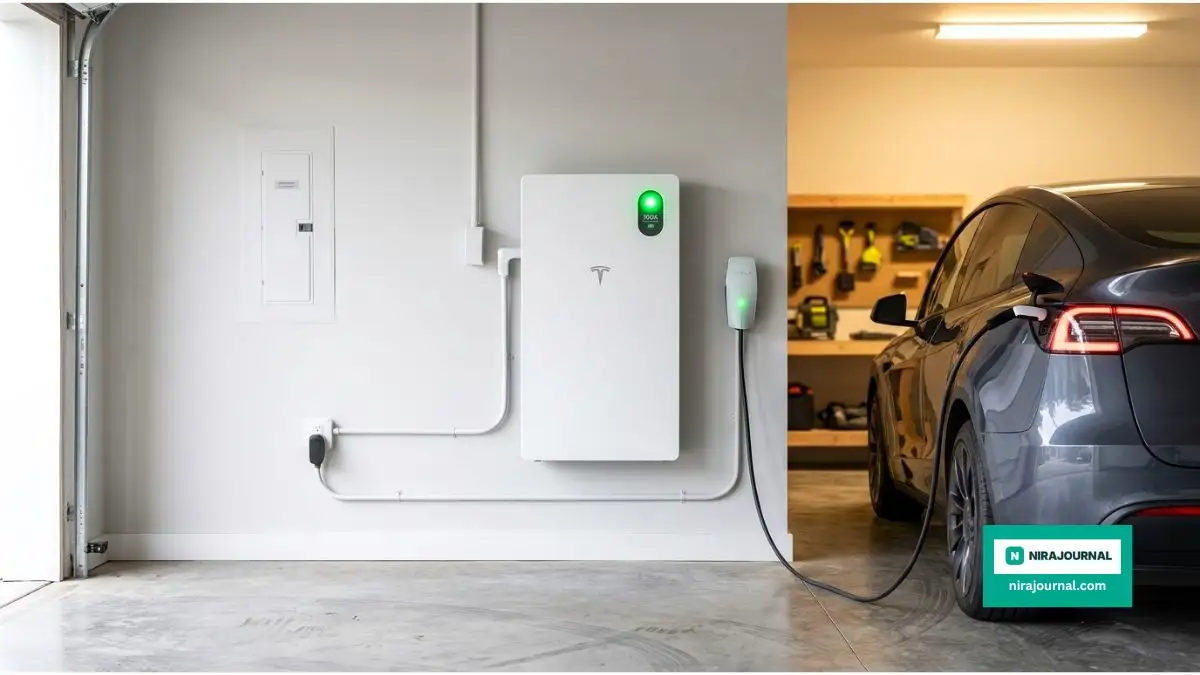
If you have solar panels, you probably notice that you make a lot of power when you are not home. During the day, while you are at work, your panels are working hard, but that energy often just goes back to the grid. To be truly independent, you need a way to keep that power for yourself. This is where home battery systems come into play.
Having a battery in your garage is like having a private fuel tank for your home. It stores the extra sun power from the day so you can watch TV, cook dinner, and light up your home at night. I found that having a battery gave me a huge sense of security. Even if the local power grid goes down, my lights stay on because I am my own power station.
According to a detailed study on residential energy systems by the Lawrence Berkeley National Laboratory, home storage is a major factor in reducing peak demand on our energy grids. When we store our own power, we are helping the whole community stay stable. It is a win for you and a win for your neighbors.
Avoiding the "Green Traps" That Cost You Money
When we try to do something good, it is easy to get excited and make mistakes. One of the biggest traps I fell into was what I call "Shiny Object Syndrome." I wanted all the newest, coolest eco-gadgets before I had even fixed the basics. I bought a fancy solar-powered garden system while my front door still had a half-inch gap at the bottom.
If you spend thousands on high-tech gear but your home is "leaky," you are essentially pouring water into a bucket with holes. You must fix the "envelope" of your home first. Sealing drafts and adding insulation might not be as "cool" as a new battery, but it is much more effective in the beginning. Don't let the marketing of expensive tech distract you from the simple stuff that actually works.
Another trap is thinking that you need to do everything at once. This can lead to financial stress, which makes you want to quit. It is better to make one small, high-quality change every few months than to go into debt for a massive renovation. Going green should feel like a relief, not a financial burden. Some people even struggle with this balance when Building a Sustainable Online Income: Avoiding Common Traps for Beginners. The key is to grow slowly and surely.
The "Set It and Forget It" Maintenance Mistake
I once met a neighbor who was complaining that his solar panels weren't working well. When I looked at them, they were covered in a thick layer of dust and leaves. He had spent a fortune on the system but had forgotten to do the basic upkeep. Regular maintenance is the secret to long-term energy independence.
Your home is a living system. Filters get clogged, seals dry out, and panels get dirty. If you ignore these things, your efficiency will drop, and your carbon footprint will climb back up. I keep a simple calendar in my kitchen to remind me to check my filters every three months. It takes ten minutes, but it keeps my systems running at their peak.
Ignoring these small tasks can lead to big repairs later on. A clogged filter makes your HVAC system work much harder, which can burn out the motor. Replacing a motor is expensive and creates waste. By simply staying on top of the small things, you protect your investment and the planet.
Why Quality Always Beats the "Cheap Fix"
It is very tempting to buy the cheapest LED bulbs or the lowest-cost insulation you can find. I tried this once with some bargain-bin smart plugs. They worked for a week and then started disconnecting from my Wi-Fi. I ended up throwing them away, which just added more trash to the landfill.
When it comes to your home's energy, quality matters. Cheaply made products often use more power or break down quickly. It is better to own five high-quality items than ten pieces of junk. Look for trusted certifications and read reviews from people who have used the products for a long time.
A great resource for understanding high-quality energy standards is the Carbon Trust, which provides excellent guides on choosing the right tech for a low-carbon future. They explain why some materials last longer and perform better than others. Investing in quality means you only have to do the job once.
A New Way to Look at Your Daily Routine
Changing your home is great, but changing your habits is where the real magic happens. I used to be the person who left the TV on for background noise. Now, I use a small radio or just enjoy the quiet. I also started using a "solar clothes dryer"—which is just a fancy way of saying a clothesline in my backyard.
These tiny shifts in how we live our lives add up over a year. If you stop using your electric dryer for just half of your laundry, you save a massive amount of energy. Plus, your clothes will last longer and smell better. It is about finding joy in the simpler, slower ways of doing things.
I also found that I started cooking differently. I use my microwave or air fryer more often than my big oven for small meals. The oven takes a lot of energy to heat up a huge space for just one tray of food. Making these small choices every day makes me feel like I am in the driver's seat of my own life.
Your Path to a Greener Future
We have talked about a lot of steps today. It can feel like a lot to take in, but remember that you don't have to be perfect today. The goal is to be better than you were yesterday. Every time you turn off a light or seal a window, you are making a statement about the kind of world you want to live in.
I have found that since I started this journey, I feel much more connected to my home. It is no longer just a box where I sleep. It is a system that I care for, and it cares for me in return. I save money, I have more peace of mind, and I know that my impact on the earth is getting smaller every day.
My best advice is to pick one thing from this list and do it this weekend. Maybe it is just buying some weather stripping or switching a few bulbs. Once you start, the feeling of empowerment will keep you going. You have the tools, the knowledge, and the power to create a home that is truly independent and kind to our planet.
Common Questions About Home Carbon Reduction
How much money can I actually save by going green?
While every home is different, many people see a reduction of 20% to 50% in their utility bills after making these changes. It depends on how many steps you take, but even small fixes like sealing drafts pay for themselves in a few months.
Is solar power worth it if I live in a cloudy area?
Yes, it is. Modern solar panels are very good at picking up "diffuse" light on cloudy days. Countries with very little sun, like Germany, are world leaders in solar energy because the tech has become so efficient.
Do I need to be an expert to install these things?
Most of the basic steps, like changing bulbs or sealing windows, are very easy for anyone to do. For bigger things like heat pumps or solar panels, you should definitely hire a professional to make sure everything is safe and efficient.
What is the single most effective way to lower my footprint?
Insulation is almost always the winner. If your home can't hold onto the heat or cool air you pay for, everything else has to work much harder. Start with your attic and your windows.
A Final Message from My Heart
I started this journey because I was tired of feeling helpless about my bills and the environment. Today, my home is a source of pride rather than stress. I want you to know that you don't need a huge budget or a science degree to make a real difference. If you just take that first small step, I promise the rest of the path will start to show itself to you.
Disclaimer: The information provided in this blog post is for educational and informational purposes only. While we strive for accuracy, energy systems and home renovations can vary by location and building type. Always consult with a licensed professional or contractor before making major structural or electrical changes to your home. We are not responsible for any damages or costs incurred from following the advice in this article.
About the Author
Munira Parveen is a dedicated Digital Content Strategist and Lead Researcher with a passion for simplifying complex topics. From navigating personal finance and emerging tech trends to uncovering the best practical lifestyle solutions, she spends her time analyzing data to bring readers highly accurate, actionable, and easy-to-understand guides. Her ultimate goal is to empower everyday people to make smarter, more informed decisions in this fast-paced digital world.

![Are These 5 Common Pitfalls Ruining Your Business? [How to Fix Them]](https://nirajournal.com/storage/uploads/blogs/1787210673_are-these-5-common-pitfalls-ruining-your-business-how-to-fix-them.webp)