Key Takeaways
- Data vs. Reality: Your wearable uses movement and heart rate to guess sleep stages, not brain activity.
- The Orthosomnia Trap: Obsessing over your sleep score can actually cause the anxiety that ruins your rest.
- Focus on Trends: Ignore single-night fluctuations; look at 14 to 30-day patterns to understand your health.
- Body First: Always assess how you feel physically before checking your app’s data.
The Morning Exhaustion Trap: When Your Gadget Lies to You
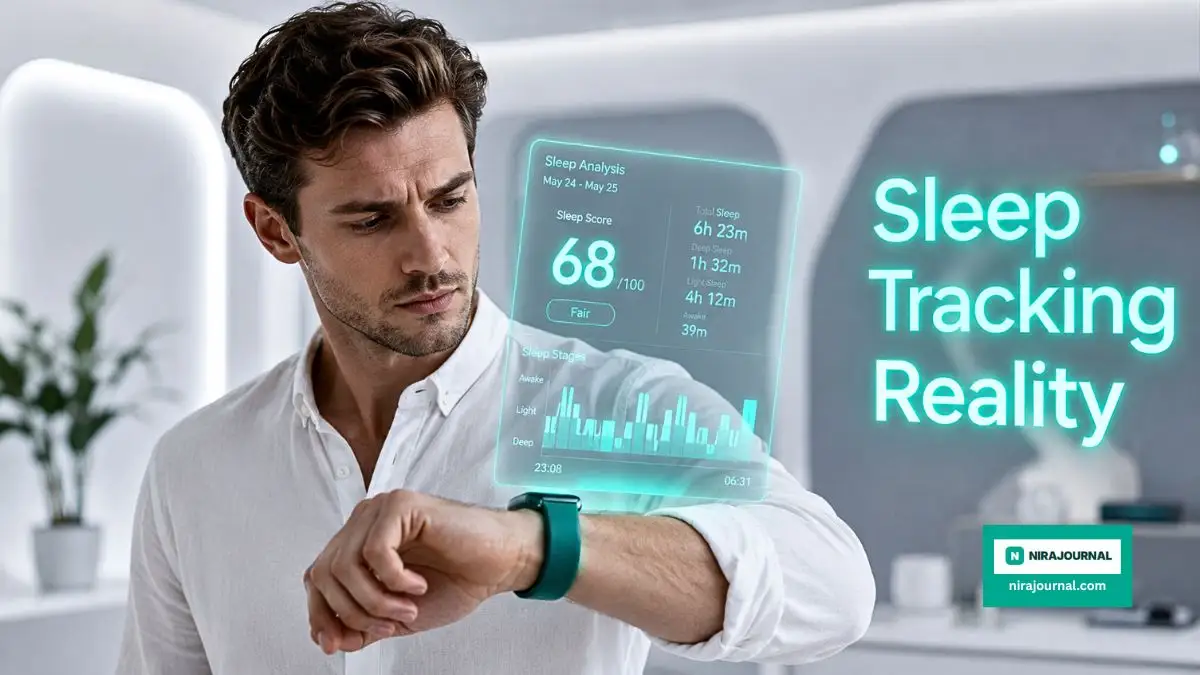
Have you ever woken up feeling surprisingly refreshed, only to check your smartwatch and see a "Poor Sleep" score staring back at you? It’s a frustrating experience that makes you question your own physical reality. We are increasingly letting algorithms dictate how we feel, but it’s time to take control back. Here is why your wearable might be lying to you and how to fix your relationship with the data.
Hoping to find answers, I eagerly opened the health app on my phone to check my sleep data. To my absolute shock, the screen flashed a bright, celebratory green animation. My device proudly announced that I had achieved a "98% Optimal Sleep Score" and supposedly enjoyed three hours of restorative deep sleep.
I sat on the edge of my mattress, looking back and forth between my buzzing wrist and my tired reflection in the bedroom mirror. It made absolutely no sense at all. How could a highly advanced piece of modern technology tell me I was perfectly rested when my own body was screaming the exact opposite?
That single moment sent me down a massive rabbit hole of obsession. For weeks, I started timing my bedtimes strictly, changing my pillows, and staring endlessly at colorful bar charts every single morning. If the app told me I slept poorly, I immediately felt anxious and ruined my own mood for the entire day.
Decoding the Magic on Your Wrist (The Reality Check)
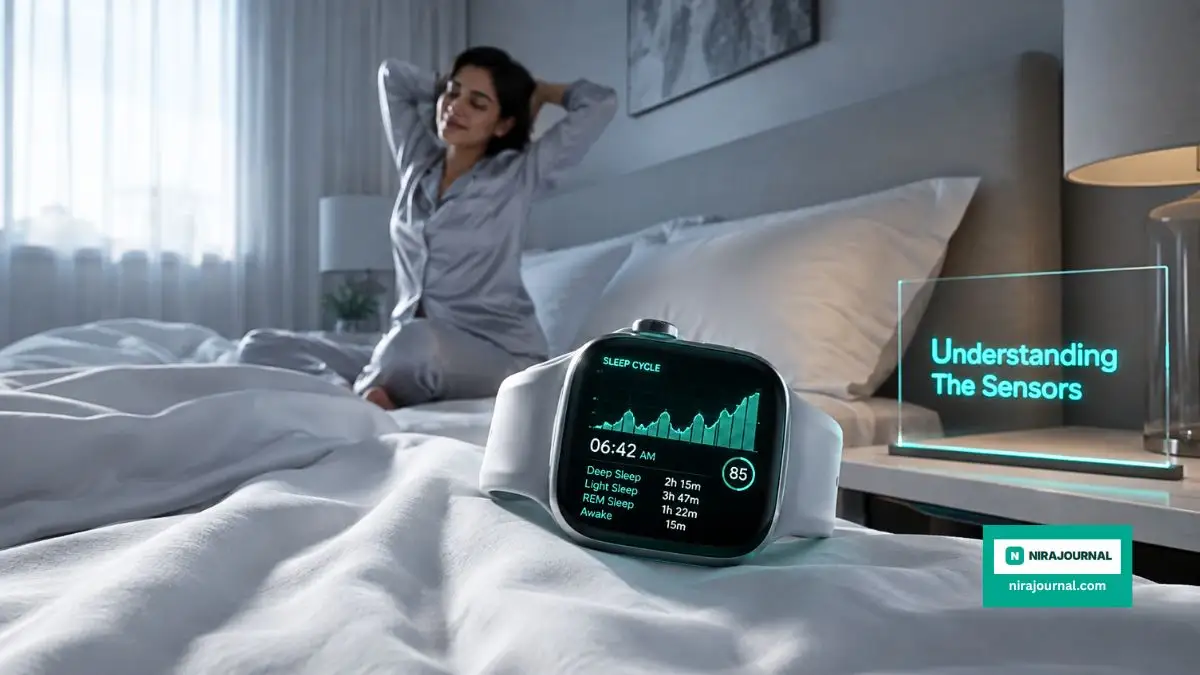
Before you toss your tracker in a drawer, it helps to understand that these devices aren't actually measuring sleep—they are measuring proxies. Here is the reality of what’s happening behind that glowing screen.
Think of your smart ring or fitness band not as a doctor, but as a silent observer. It relies on a set of internal sensors to make its best guess about your night. The main tool it uses is called an accelerometer, which essentially tracks every tiny movement your body makes. The basic logic here is simple: if you are moving around, you are probably awake, and if you are totally still, you must be asleep.
But think about how flawed that logic actually is in real life. Have you ever stayed wide awake in bed for an hour, perfectly still, just staring at the ceiling? Your tracker almost certainly recorded that frustrating hour as high-quality sleep.
On the flip side, some people are naturally restless sleepers who toss and turn while remaining deeply unconscious. A basic movement sensor will easily mistake this healthy rest for frequent wakefulness. This is a primary reason why studies on actigraphy and sleep consistently show that basic movement tracking often overestimates how much we actually sleep.
The Heart Rate Illusion
To fix the movement problem, device makers eventually added optical heart rate sensors to the back of their watches. These flashing green lights track your pulse and look for changes in your heart rate variability (HRV).
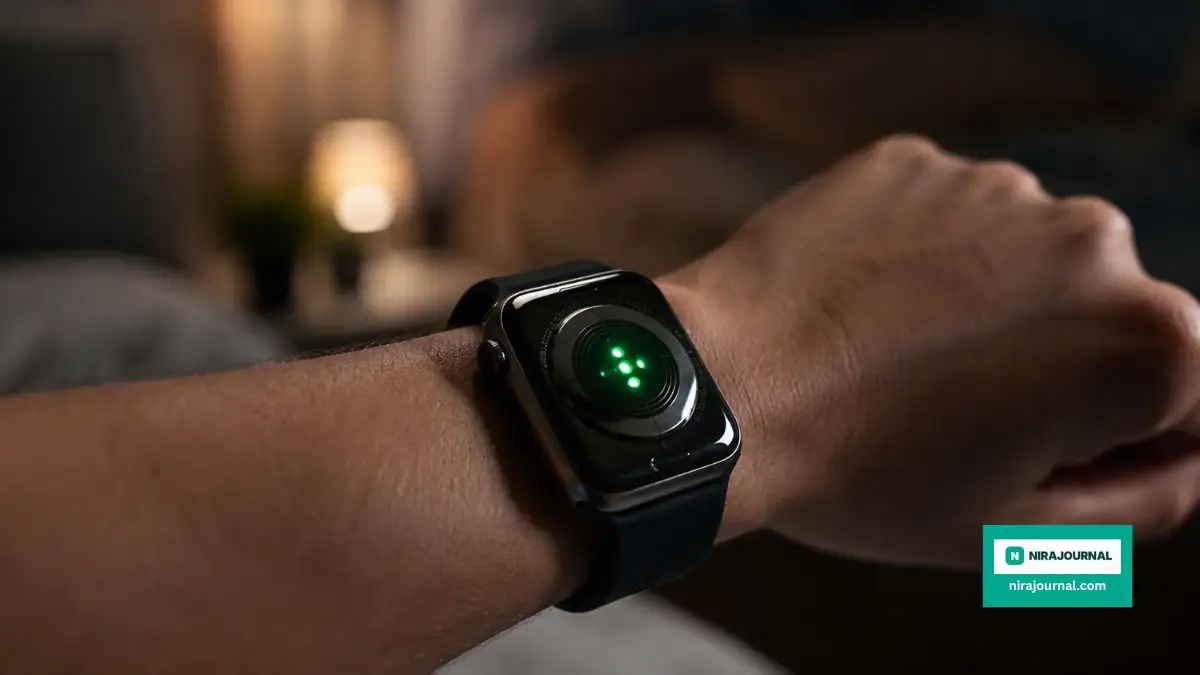
When you slip into deeper stages of rest, your heart rate naturally drops and becomes highly consistent. The software algorithms use this exact drop to confidently tell you that you entered "Deep" or "REM" sleep.
While this sounds highly scientific, it is still just an estimation based on an external physical reaction. True sleep architecture happens entirely inside the brain, and the only proven way to track it accurately is through an EEG machine in a clinical lab.
Trying to measure brain waves by checking your pulse is a lot like trying to guess what a chef is cooking just by looking at the smoke coming out of the chimney. You might correctly guess a barbecue, but you will completely miss the detailed recipe.
Are you ready to see exactly how these algorithms can trick your brain into feeling tired? Check out this eye-opening breakdown of the "Nocebo Effect" in modern health tech.
The Danger of Orthosomnia
This gap between scientific accuracy and gadget marketing has created a brand new modern problem. Doctors are now seeing thousands of patients suffering from a condition called Orthosomnia.
This happens when a person becomes extremely obsessed with achieving the perfect sleep score. They spend so much time worrying about the data that the anxiety literally keeps them awake at night. The tool meant to fix the problem suddenly becomes the exact reason the problem exists.
This false sense of security or sudden panic is something we see across the entire tech industry today. We often trust automated software way too much, completely ignoring our own common sense. It actually reminds me a lot of another massive tech illusion that many people fall for regarding their digital security. If you blindly trust basic software without understanding its limits, you might want to read about Why Your Free Antivirus Is Actually Putting You at Risk [The Truth].
Breaking Free from the Data Trap (Actionable Steps)
So, should you just throw your expensive smartwatch in the trash? Absolutely not. These gadgets are incredibly powerful tools if you simply change the way you interpret their data.
Instead of treating your morning score as an absolute medical diagnosis, you must start viewing it as a general trend line. Do not panic over a single night of bad data, and definitely do not let a good score convince you to ignore your own physical exhaustion.
Look for broad patterns over a full 14-day period. Are you consistently getting less rest on Tuesday nights? Does your heart rate spike every time you eat a heavy meal before bed?
These long-term trends are where wearable sensors actually become incredibly useful. They highlight lifestyle habits that you might not notice on your own. When I stopped looking at the daily score and started looking at my monthly averages, my anxiety completely vanished.
My Personal Realization: I found that taking my watch off completely from Friday night to Sunday morning changed my life. I gave myself permission to just rest naturally on the weekends without a machine grading my performance. It completely reset my mental state and actually made my Monday scores much better.
Setting Meaningful Baselines
The smartest way to use your device is to establish your own personal baseline. Everyone has a completely different resting heart rate and movement profile.
I have found that comparing my resting heart rate data against my own training intensity is far more useful than watching a daily "sleep score" fluctuate. By noting when I had a heavy workout the day before, I stopped panicking when my watch reported "poor" recovery, as I knew my body was simply doing the hard work of repairing muscle tissue.
Wear the device consistently for a month while maintaining a regular schedule. Once the app learns your normal behavior, any massive deviation will become much easier to spot. If your resting heart rate is suddenly ten beats higher than your baseline, you might be fighting off a cold.
This strategy requires patience, but it stops you from making panic-driven decisions based on one bad night. Making quick decisions based on misunderstood data is a costly mistake in any area of life. It is just like jumping into a huge investment without knowing the hidden pitfalls, which is exactly why I always recommend people educate themselves thoroughly, much like when exploring the Ultimate Guide to Electric Car Ownership: 3 Mistakes That Will Cost You Thousands (Save Time & Money).
Myth vs Reality: The Deep Sleep Debate
Let us clear up one of the biggest misconceptions about these gadgets right now.
The Myth: If your watch says you got less than an hour of deep sleep, you are doing something terribly wrong and your health is in danger.
The Reality: The algorithm on your wrist is highly prone to misclassifying sleep stages. Top experts at the Sleep Foundation explain that consumer wearables only agree with clinical lab tests about 60% of the time when it comes to specific sleep stages.
Your body is incredibly smart and naturally prioritizes deep sleep when you are exhausted. If you wake up feeling energetic and ready to tackle your day, you probably got enough restorative rest regardless of what the red bar on your screen says.
The Environmental Factors Gadgets Ignore
Another massive blind spot for your wrist computer is your sleeping environment. Your tracker only knows what your arm is doing. It has absolutely no idea what is happening in your room.
If you sleep next to a restless partner, or a large pet who loves to kick in the middle of the night, the vibrations easily travel through the mattress. Your watch feels that shake and incorrectly records it as your own restlessness.
Temperature also plays a massive role in your heart rate. If your bedroom is too warm, your heart has to work a little harder to cool your body down. The watch sees this elevated pulse and immediately assumes you are stressed or sleeping lightly.
This is why combining subjective feelings with objective data is the absolute best strategy. You cannot simply rely on the objective numbers without giving them proper context.
Reclaiming Your Morning Routine
The best step you can take today is moving your phone charger out of arm's reach from your bed. When you wake up, do not immediately open your health app.

Spend the first twenty minutes of your day checking in with your own body. Ask yourself how your eyes feel, how your energy levels are, and whether your muscles feel recovered.
Once you have formed your own personal opinion about your night, then you can go ahead and check the digital score. This small mental shift guarantees that you stay in control of your feelings, rather than letting an algorithm tell you how you should feel.
Your wearable should be a helpful assistant in your health journey, never the absolute boss of your body. We have so much more ground to cover regarding how specific battery levels and sensor tightness affect your data, but mastering your mental approach is always the best first step.
Mastering Your Wearable: Pro-Level Adjustments for Real Accuracy
Once you understand the basic flaws of these gadgets, you can start making smart adjustments to get much better results. The biggest secret in the wearable tech industry is that most people wear their devices completely wrong.
A smartwatch optical sensor needs a very specific physical environment to read your heart rate variability correctly. If your watch sits directly on top of your wrist bone, the green light underneath cannot penetrate your skin properly.
This causes the sensor to guess your heart rate, which completely destroys the accuracy of your sleep score. You should slide the watch about one or two finger-widths up your arm, away from the actual wrist joint.
The strap needs to be comfortably snug, meaning the device should not slide around when you move your arm. However, if you wake up with deep red marks on your skin, you have tightened it way too much and restricted your own blood flow.
Another massive factor that ruins your daily data is basic hygiene. We wear these devices through sweaty workouts, daily showers, and messy cooking sessions without thinking twice.
Over a few days, a thin invisible layer of soap scum, sweat, and dead skin cells builds up over the tiny glass sensors on the back. This dirty film acts exactly like a foggy window, blocking the optical lights from seeing your blood flow clearly.
You must make it a daily habit to wipe the back of your device with a soft microfiber cloth. A clean sensor drastically improves the raw data your app receives, giving you a much more realistic picture of your night.
The Dominant Hand Dilemma
Most users never bother checking the deep settings inside their companion mobile apps. When you first set up your gadget, the app asks if you are wearing it on your left or right arm.
It also asks if you are wearing it on your dominant or non-dominant hand. This setting is incredibly important because we move our dominant hands much more frequently, even while we are unconscious.
If you are right-handed but tell the app you are wearing the watch on your non-dominant hand, the algorithm gets totally confused. It will assume those heavy movements are just normal restlessness and lower your overall sleep score.
Always ensure your personal profile settings perfectly match your physical reality. This tiny tweak takes less than ten seconds but immediately improves the baseline accuracy of your nightly charts.
Understanding the Internal Algorithms
The software on your phone takes a massive amount of messy information and tries to make it look incredibly simple. It filters out the raw numbers and presents you with a beautifully designed, colorful graph.
Because we only see the pretty interface, we assume the machine is doing something magical. We blindly trust the final output without questioning how the system arrived at that specific conclusion.
Actually, this is the exact same psychological trick web hosting companies use to mask their actual server capacities. You can read a fascinating breakdown of this illusion by Analyzing the Hidden Resource Limits Strictly Imposed by Shared Web Hosting Plans. Just like your smartwatch hides the raw data limitations, other tech services hide their true boundaries as well.
Food, Alcohol, and Sensor Confusion
Your daily habits affect your nighttime data far more than you might realize. What you put into your body directly impacts how your smartwatch grades your rest.
If you eat a massive, heavy meal right before bed, your digestive system has to work extremely hard all night. Your heart rate will naturally stay elevated as your body processes that food.
The tracker on your wrist feels this fast pulse and immediately assumes you are stressed, anxious, or sleeping very lightly. You might actually be completely unconscious and resting peacefully, but the gadget gets confused by your digestion.
Alcohol causes the exact same miscalculation. Even one glass of wine before bed causes your resting heart rate to spike slightly.
If you want the most accurate baseline readings possible, you should stop eating heavy meals and drinking alcohol at least three hours before bed. When you read detailed research on optical sensor limitations, you quickly see how sensitive these gadgets are to simple physiological changes.
The Dark Side of Gadget Obsession (What to Watch Out For)
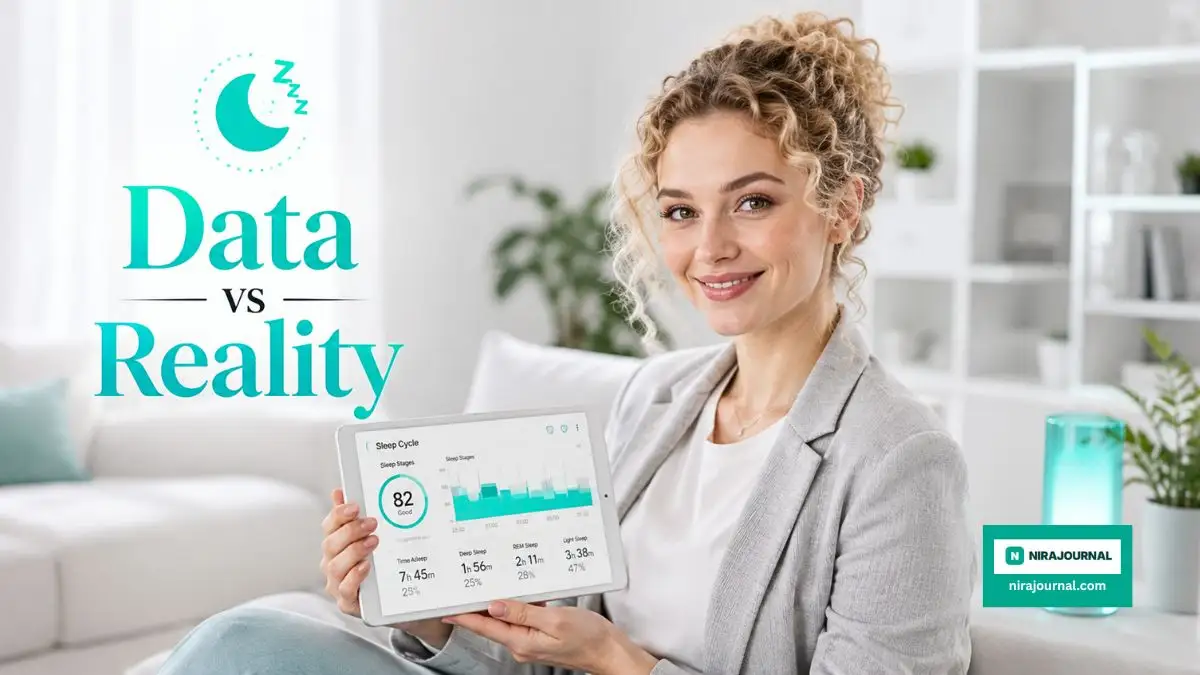
The biggest trap you can fall into is letting a digital screen completely control your emotional state. This happens slowly over time, usually without you even noticing the shift in your behavior.
You start out just being curious about your daily habits. Then, suddenly, you find yourself feeling deeply depressed because your phone gave you a low score on a Tuesday morning.
If you wake up feeling completely refreshed, energized, and ready to take on a busy day, you are perfectly fine. But if you check your app and see a big red warning sign saying you slept terribly, your brain instantly starts playing tricks on you.
Within minutes, you suddenly feel incredibly tired, sluggish, and unmotivated. The psychological power of suggestion is so strong that it literally overrides your own physical reality.
This happens because our brains are naturally wired to trust authoritative numbers and charts. We assume the machine knows something we do not, which leads us down a path of extreme anxiety.
The 3 AM Panic Check
One of the worst habits you can develop is checking your smartwatch in the middle of the night. You wake up to use the bathroom, and instead of just going back to sleep, you tap your wrist.
The bright light hits your eyes, instantly signaling to your brain that it is daytime. You see that you have only achieved two hours of deep sleep, and the panic immediately sets in.
Now, your mind starts racing as you calculate how many hours you have left before your morning alarm rings. Your heart rate goes up, your stress hormones flood your system, and you completely ruin any chance of falling back asleep naturally.
This hyper-focus on achieving the perfect night of rest is destroying our natural ability to just relax. Experts who study how sleep anxiety affects overall health constantly warn against keeping glowing screens anywhere near your bed.
The False Comfort of Technology
Sometimes, we rely so heavily on automated gadgets that we stop using our own common sense entirely. We buy these expensive tools expecting them to solve our lifestyle problems for us.
Buying a premium fitness tracker will not magically make you go to bed earlier, just like buying an expensive guitar will not make you a famous musician. The tool is absolutely useless if you do not change your actual daily habits.
This false sense of security happens with so many smart devices today. We completely hand over our personal safety and health to automated systems, hoping they will protect us from our own bad choices.
I see this exact same dangerous mindset when people completely automate their home security without understanding the physical risks involved. If you rely heavily on automated smart tech in your daily life, you really need to be aware of The Secret Danger of Smart Door Locks (Avoid These Mistakes).
Overreacting to Short-Term Data
Our bodies are incredibly complex, and they constantly adjust to different environmental factors. You are going to have nights where you sleep terribly, and that is a completely normal part of being human.
When people see a sudden drop in their sleep score for two or three nights, they often panic. They immediately start buying expensive supplements, changing their mattress, or heavily medicating themselves to fix the numbers.
They completely ignore the fact that they might just be fighting off a mild cold, feeling stressed about a work project, or adapting to a slight weather change. Your body is smart enough to correct these minor imbalances on its own if you just give it time.
Stop treating every single dip in your data graph as a massive medical emergency. These gadgets are designed to monitor long-term trends over months, not to grade your daily performance like a strict school teacher.
Building a Healthier Relationship With Your Wrist Tech
To truly benefit from this amazing modern technology, you have to fundamentally change your perspective. These watches and rings are incredible tools that can offer amazing insights into your lifestyle habits over time.
The goal is to use the data to confirm what your body is already telling you, rather than letting the data dictate your feelings. If you consistently feel terrible in the mornings, your wearable can help you pinpoint exactly when the restlessness is happening.
Morning Body Scan Checklist
Before you check your app, answer these three questions:
- Did I wake up naturally or due to an alarm?
- Do my eyes feel clear or heavy?
- Is there any lingering physical tension in my shoulders or back?
- If you feel alert and physically loose, your sleep was likely sufficient—regardless of what the app says.
You can then test small, healthy changes. Try making your bedroom slightly cooler, or stop drinking coffee after lunch.
Use your device to track how these small lifestyle changes affect your long-term averages. When you step back and look at a full thirty days of information, the random bad nights completely fade away, leaving you with a very clear, helpful picture of your overall health.
A Morning Routine Without Screens
Tomorrow morning, I want you to try a completely different approach to starting your day. When your alarm rings, turn it off and immediately walk away from your phone.
Go to the kitchen, drink a large glass of water, and open your curtains to let the natural sunlight hit your face. Spend just ten minutes stretching, breathing, and actually paying attention to how your physical body feels.
Only after you have established your own mental state should you finally open the health app. Compare your own personal feelings against the digital numbers, and you will quickly start to see where the gadget is getting things wrong.
My Personal Motivation for You: I spent months feeling miserable just because an app told me I should feel tired. The moment I started trusting my own body again, my energy levels completely skyrocketed. You are a human being, not a machine, so start listening to your own amazing intuition today!
Your Biggest Sleep Tracking Questions Answered
Do smartwatches actually know when I am dreaming?
No, consumer gadgets cannot directly track your dreams or measure actual brain waves. They simply look for a very specific drop in your heart rate and a lack of physical movement. Based on these external signs, the algorithm makes an educated guess that you have entered the REM sleep stage.
Why does my app say I was awake when I know I was definitely sleeping?
This usually happens if you naturally have a higher resting heart rate or if you toss and turn a lot in bed. The basic sensors mistake your normal nighttime movements for actual wakefulness. It is an extremely common error in almost all modern wrist-worn gadgets.
Is it dangerous to wear a Bluetooth tracker all night long?
The radio frequency energy emitted by standard wearable trackers is incredibly low. These devices are generally considered very safe for continuous daily use by top health organizations. If you are still worried, you can always put the watch in "Airplane Mode" while you rest.
How tight should the wristband be for the best readings?
It needs to be snug enough that the green optical lights stay perfectly flat against your skin without sliding. However, you should still be able to slide one finger comfortably underneath the strap. If you wake up with deep indentations or numbness, the band is definitely way too tight.
Can a fitness band detect sleep apnea?
Some premium devices can track blood oxygen drops, which might hint at breathing issues during the night. However, these consumer gadgets are absolutely not medical diagnostic tools. If you heavily suspect you have sleep apnea, you must visit a doctor for a proper clinical sleep study.
Disclaimer: The information provided in this article is for educational and informational purposes only. It is not intended to be a substitute for professional medical advice, diagnosis, or treatment. Always seek the advice of your physician or other qualified health provider with any questions you may have regarding a medical condition or sleep disorder. Never disregard professional medical advice or delay in seeking it because of something you have read on this blog.
About the Author
Munira Parveen is a dedicated Digital Content Strategist and Lead Researcher with a passion for simplifying complex topics. From navigating personal finance and emerging tech trends to uncovering the best practical lifestyle solutions, she spends her time analyzing data to bring readers highly accurate, actionable, and easy-to-understand guides. Her ultimate goal is to empower everyday people to make smarter, more informed decisions in this fast-paced digital world.
![The Ugly Truth About Unlimited Web Hosting Plans [Step-by-Step Proof]](https://nirajournal.com/storage/uploads/blogs/1787365406_the-ugly-truth-about-unlimited-web-hosting-plans-step-by-step-proof.webp)
![Why Your Free Antivirus Is Actually Putting You at Risk [The Truth]](https://nirajournal.com/storage/uploads/blogs/1787310430_why-your-free-antivirus-is-actually-putting-you-at-risk-the-truth.webp)