Key Takeaways
- Weight Matters: EVs are heavier than gas cars; check your tire pressure monthly to avoid premature wear.
- Charging Habits: Stick to slow home charging for 90% of your needs to keep the battery healthy.
- Beyond the Engine: You still need to maintain "forgotten" items like cabin filters, brake fluid, and coolant.
- Stay Updated: Treat software updates as essential maintenance; they often contain efficiency patches.
The Reality Check: My Personal Journey into Electric Ownership
Switching to an electric vehicle feels like a massive upgrade—until the initial excitement fades and you realize you aren't sure how to "maintain" something that doesn't need an oil change. Many new owners fall into a trap: they either worry about every little noise or ignore maintenance entirely, assuming the car is invincible.
I’ll be honest—I was the same way. About six months after bringing my first EV home, the reality of ownership set in. It wasn't about the engine failing—since there isn't one in the traditional sense—but about mastering the subtle, unexpected nuances of modern vehicle management. I found myself obsessing over battery percentages, tire wear, and software updates that felt like a whole new language.
One afternoon, I sat in my driveway, watching my neighbors struggle with their own car issues, and realized that "low maintenance" doesn't mean "no maintenance." It just means a different set of priorities. I had traded the oil pan for a charging schedule and the transmission fluid for a sophisticated computer system that required me to stay alert.
If you are currently feeling the weight of uncertainty, wondering if the switch is actually going to empty your pockets or keep them full, I hear you. The anxiety of the unknown is real. We often hear marketing slogans about "zero maintenance," but as someone living it every day, I know that the truth is a bit more grounded. It’s not about fear; it’s about preparation. My goal here is to help you peel back the layers of this experience so you can enjoy your ride without the constant worry hanging over your head.
Why Conventional Wisdom Doesn’t Always Apply to EVs
Old-school car habits revolve around fluids and belts, which don't exist in your EV. However, ignoring maintenance just because you don't have an engine is a fast track to expensive, preventable repairs. Here is how to update your mental map for electric ownership.
The Weight Reality
Because EVs carry heavy battery packs, they put much more stress on tires than traditional gas cars. Many new owners don't realize this, leading to uneven tread wear and the need for expensive tire replacements way sooner than expected.
Managing Data Overload
Then there is the psychological toll of "data overload." When your car updates wirelessly and sends constant health notifications, it’s easy to feel anxious. You might find yourself checking an app every few hours over a "battery efficiency" warning that’s actually just a result of cold weather. The key is to learn the difference between an urgent alert and routine system management.
By shifting your focus from "fear of the machine" to "understanding the system," you regain control over your investment and your stress levels.
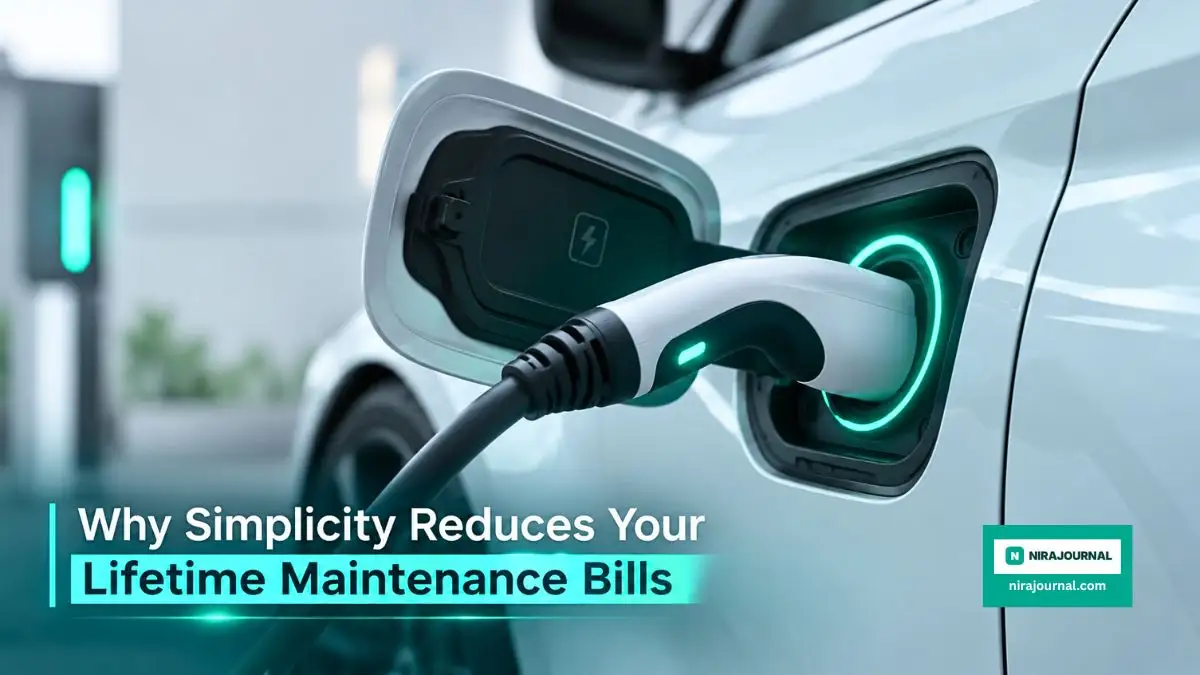
Simplifying Your EV Ownership Strategy
You don't need to be an engineer to keep your car running for the long haul. The secret lies in focusing on the few things that actually matter rather than worrying about the things that don't. Let’s break down the most effective way to manage your long-term costs without the headache.
Prioritizing Tire Health and Alignment
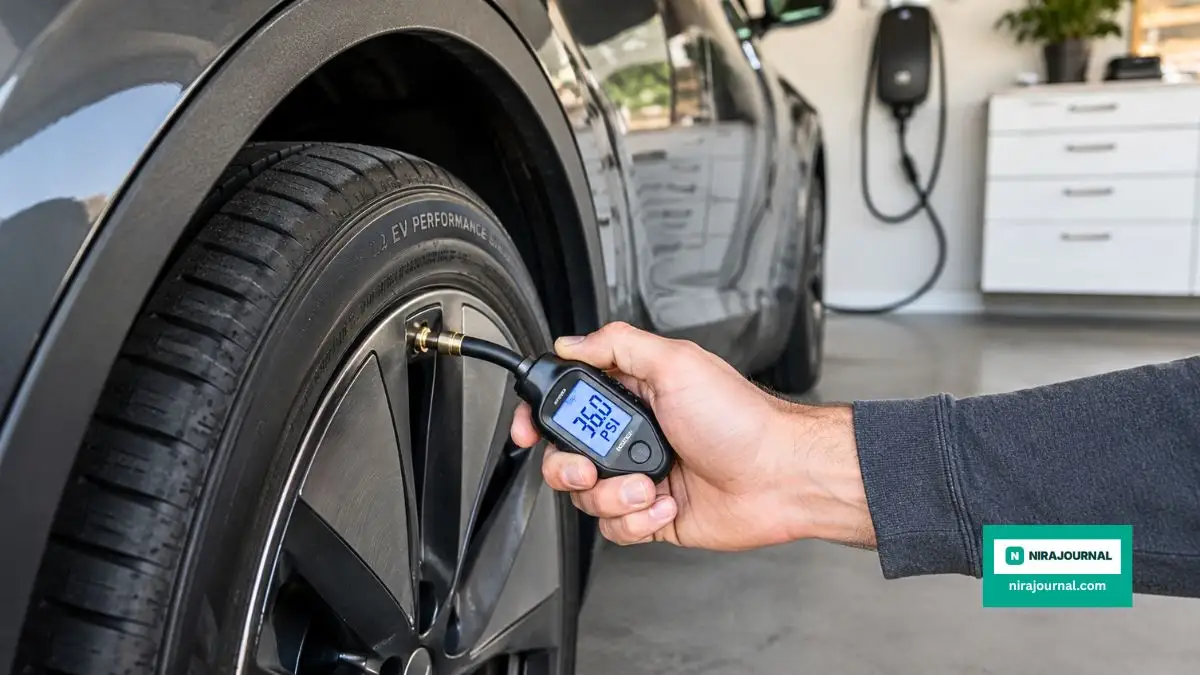
Since your car is heavier, your tires are doing the heavy lifting. Check your tire pressure at least once a month, even if the car has a monitoring system. Under-inflated tires on an EV decrease your range significantly and wear out the tread rapidly.
I made the mistake of ignoring this during my first winter, and I ended up paying for a full set of new tires way ahead of schedule. Managing your personal budget becomes much easier when you stop treating tires as an afterthought and start treating them as your primary maintenance priority. Alignments are also vital because even a slight drift can cause uneven wear that cuts your tire life in half.
To keep things simple, I’ve put together a quick maintenance cheat sheet. Think of this as your "EV Health Roadmap" to ensure you aren't missing the basics.
Note: Always check your vehicle’s specific owner’s manual, as some manufacturers may have slightly different requirements.
The Truth About Battery Longevity
The battery is the heart of your vehicle, and protecting it is the single most important thing you can do for your wallet. You don't need to keep it at 50% all the time, but avoiding extreme states of charge is a great rule of thumb. Avoid leaving your car at 0% or 100% for long periods.
If you are planning to park your car for a week while you travel, aim for a charge level of around 50% to 60%. This keeps the battery chemistry stable and prevents unnecessary stress. Think of it like keeping a human healthy; balance is always better than extremes.
Battery Health Checklist:
- Avoid the 0% trap: Try not to let your battery sit at near-zero for more than a few hours.
- Moderate Charging: Use a Level 2 home charger for daily use; save Level 3 (Superchargers) for long trips.
- Temperature Check: Avoid parking in direct, extreme sun for days at a time if the battery is at 100%.
Software and Cabin Filter Awareness
Most people forget that even electric vehicles have air filters for the cabin. These filters collect dust, pollen, and debris from the road just like any other car. Changing these regularly ensures that your climate control system doesn't have to work harder than necessary.
If your air conditioning is working harder, it draws more power from the battery, which indirectly affects your range. This is a classic case of how a small, $20 maintenance task impacts your overall efficiency. Also, always keep your software updated. Often, these updates include optimizations for power management that can actually improve your range over time.
Pro Tip: The Charging Routine Realization
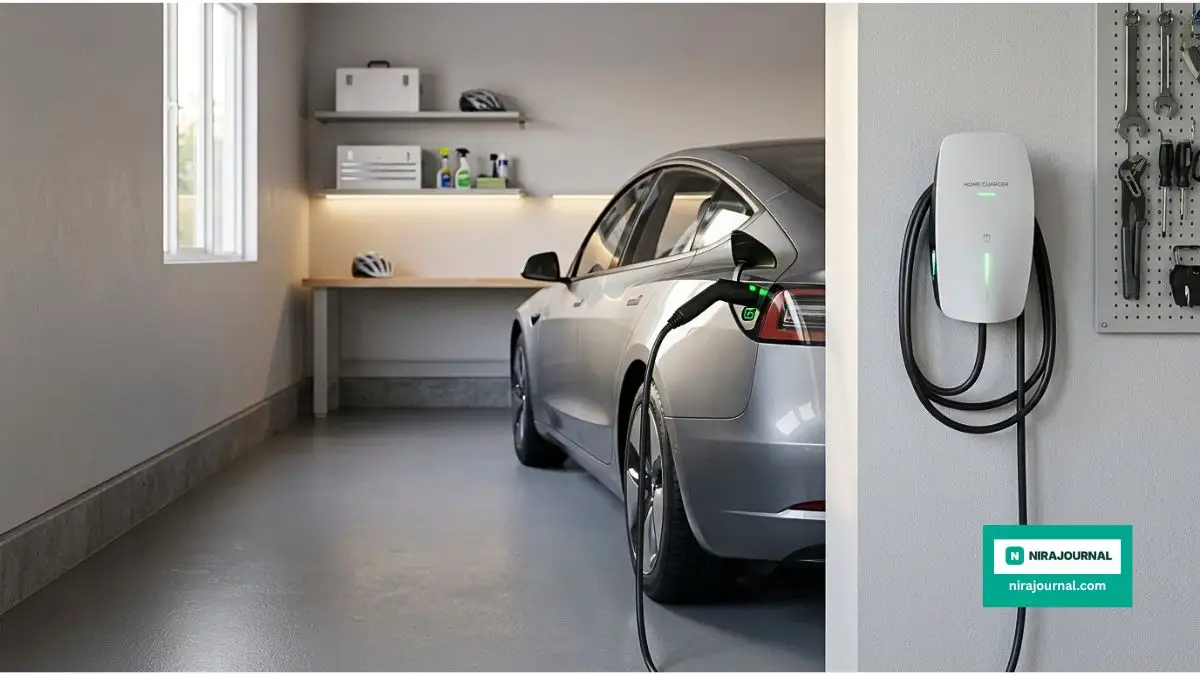
My biggest realization after a year of ownership was that I was overthinking my charging habits. I spent hours stressing over whether I should use a fast charger or a slow home charger. Pro Tip: Use your slow home charger for 90% of your daily needs. Only use high-speed public chargers when you are actually on a long road trip. It’s cheaper, better for the battery, and significantly reduces your stress.
I’ve found that keeping a simple notebook or a note on my phone to track the last time I checked my tire pressure helps me stay on schedule far better than any app notification. It turns a chore into a quick, two-minute routine that gives me peace of mind before every long drive.
Watch This to Understand Your EV Better
Before we dive into the more technical aspects of long-term savings, take a moment to watch this video. It breaks down exactly how to identify normal vs. abnormal car behavior so you can save time and money.
This quick guide will help you spot minor issues before they turn into major, expensive repairs.
Addressing Potential Risks and Hidden Costs
It is easy to focus only on the savings, but we must be honest about where the money goes. Brake pads on an electric vehicle, for example, often last much longer than those on a gas car because of regenerative braking. You use the motor to slow the car down, which sends energy back into the battery.
However, because you use your brakes less, the calipers and rotors can actually seize up if they aren't used occasionally. You should perform a "firm" stop every now and then to ensure the mechanical brakes are still moving freely. If you ignore this, you might end up with rusted rotors that need total replacement, which is a cost you could have easily avoided.
Additionally, always keep an eye on your cooling system. Even though EVs don't have engines, they have complex liquid cooling loops for the battery pack. While these are "maintenance-free" for a long time, the fluid eventually needs to be checked. Ignoring this could lead to the system overheating, which is a catastrophic failure that no one wants to deal with.
If you are worried about other household complexities, you might want to look into The secret danger of smart door locks to ensure your home tech is as reliable as your vehicle. Managing all your modern assets requires a similar mindset—proactive, simple, and informed.
Debunking Common Myths
- Myth: EVs don't need any maintenance at all.
- Reality: They need less, but they still require attention to tires, cooling fluid, and cabin air filtration.
- Myth: Replacing the battery will cost more than the car.
- Reality: Most batteries are designed to last the life of the vehicle, and as technology advances, replacement costs are becoming more manageable and modular.
- Myth: You have to service them at the dealership.
- Reality: While specialized, many independent shops are now fully equipped to handle general EV maintenance like tires, suspension, and brakes.
Final Thoughts on Sustainable Ownership
The journey of owning an electric vehicle is one of adaptation. When you let go of the old habits of gas-car ownership and embrace a proactive, data-informed approach, the "maintenance" becomes second nature. It shifts from being a "struggle" to being a simple part of your weekly routine.
You are not just saving money; you are participating in a shift toward a more efficient way of moving through the world. By focusing on your tires, keeping your battery in the "happy zone," and keeping up with software updates, you are extending the life of your vehicle significantly. Don't let the fear of the unknown stop you.
Stay curious, stay proactive, and remember that your car is there to serve you, not to be a source of stress. Whether you are a daily commuter or a weekend road-tripper, the principles of smart ownership remain the same. Keep it simple, stay consistent, and enjoy the silence of the road.
If you ever feel overwhelmed by the technology, just remember that the basics of keeping a car in good shape haven't changed that much. It’s still about observation, care, and a little bit of common sense. You have all the tools you need to make your electric vehicle a long-lasting, reliable companion for years to come.
Mastering Your Electric Vehicle: The Expert Path to Long-Term Efficiency
Moving beyond the basics of charging and tire pressure, true mastery over your electric vehicle comes down to how you manage the car’s internal ecosystem. Think of your vehicle not as a simple appliance, but as a sophisticated digital platform on wheels. When you start paying attention to the finer details, you stop being a passenger in the ownership experience and become the pilot.
Advanced Strategies for Battery Health and System Longevity
One of the most effective ways to ensure your car stays in top shape is by optimizing your charging cycles based on your daily usage. If you only drive a short distance to work, you do not need to charge to 100% every night. Keeping your battery state of charge between 20% and 80% is a proven way to reduce chemical stress on the lithium-ion cells.
This simple habit significantly extends the life of your battery pack. Many modern vehicles now include "charge limit" features in their settings menu. Make sure to enable this feature today. It prevents the battery from reaching those high-stress zones while you sleep, keeping the chemistry stable for the long term.
Another secret involves temperature management. Extreme heat is the enemy of all batteries, including those in high-end portable devices. If you live in a hot region, try to park in a garage or shaded area whenever possible. Even better, keep your car plugged in during extreme temperatures if it is parked. The car’s onboard computer will use the wall power to run the battery thermal management system, protecting the cells without drawing down your actual charge.
It is also worth noting how software updates interact with your vehicle's performance. Always install these updates when they arrive. Often, these updates include efficiency patches that improve how the motors draw power. You can learn more about how modern battery systems behave under various conditions by checking out this technical resource on energy storage safety.
Finally, pay attention to the "silent" systems. Many owners forget that the power steering, cooling pumps, and cabin heating systems also run on electrical power. If you notice any strange humming sounds or unusual power consumption patterns, do not ignore them. Addressing a small electrical sensor issue now is infinitely cheaper than waiting for a full component failure later.
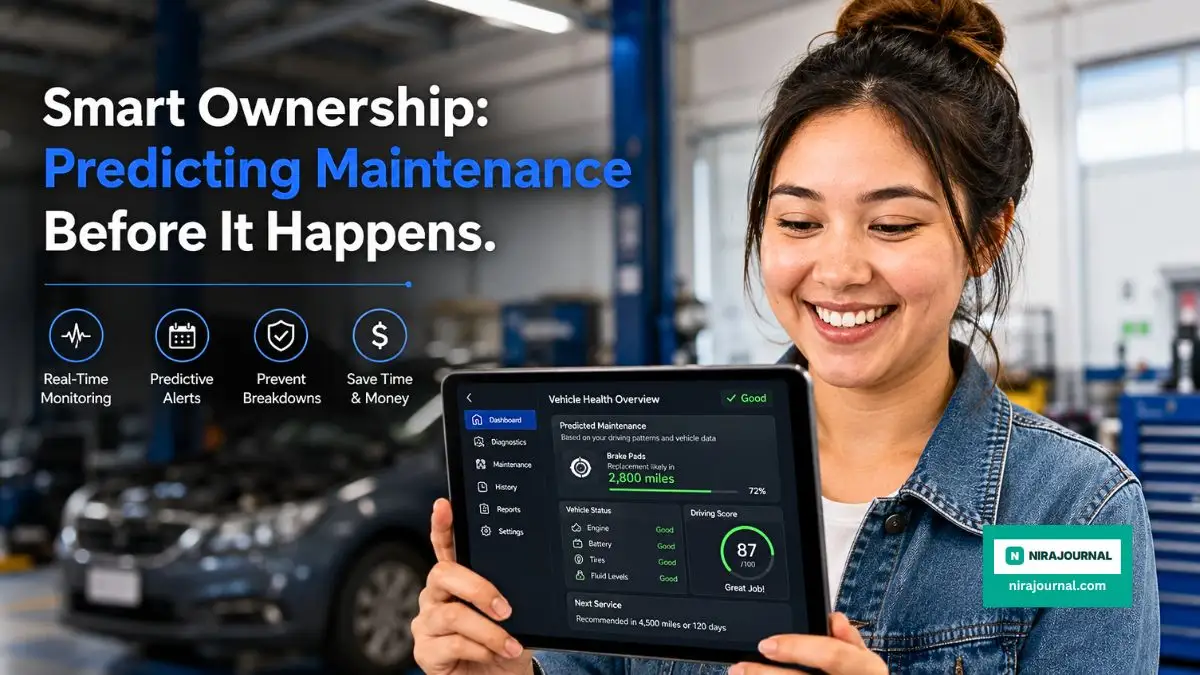
Avoiding the Traps: Common Pitfalls in EV Maintenance
It is easy to get caught up in the excitement of owning a modern machine and forget that physics still applies. One of the most common mistakes I see involves the "set it and forget it" mentality. Because electric vehicles require less frequent service, some owners mistakenly believe they need to do nothing at all.
This leads to neglected suspension components. Because these cars are quite heavy, the weight is constantly pressing down on the bushings and control arms. If you skip your visual inspections or ignore small rattles, you are asking for a major repair bill down the road. Treat your car to a quick look-under every time you rotate your tires.
Another significant trap is the over-reliance on fast chargers. While public high-speed charging is incredibly convenient during a road trip, using it for every single charge is not ideal. It generates excess heat and puts a strain on the battery’s cooling system that isn't present with slower, home-based charging. Reserve the fast chargers for when you truly need them to save time.
People also often overlook the importance of brake fluid maintenance. Just because you use your mechanical brakes less often does not mean the fluid lasts forever. Brake fluid is hygroscopic, meaning it absorbs moisture from the air over time. If you do not have it flushed according to the manufacturer’s schedule, you risk internal corrosion of your brake lines and calipers.
If you are curious about other tech-related habits that might be hurting your efficiency, you might be interested in reading about Evaluating the actual accuracy of sleep tracking features in modern wearables. Just like your car, your personal tech needs to be managed with a critical eye to get the best results. Additionally, keep an eye on your home energy setup, especially if you are [Anchor Text: Analyzing the hidden resource limits strictly imposed by shared web hosting plans] for your home server or business site, as power stability matters everywhere.
Answers to Your Most Pressing Ownership Questions
Do electric vehicles really require fewer repairs than gas cars?
Yes, they do. By eliminating the internal combustion engine, you remove hundreds of moving parts, such as pistons, valves, and fuel systems, which are the most common points of failure in traditional automobiles.
How often should I check my tires?
Since EVs are heavier, I recommend checking your tire pressure at least once every two weeks. Proper inflation is the single most important factor in preventing premature tread wear and maintaining your vehicle's efficiency.
Is the "low maintenance" claim just marketing?
While it is largely true, it is not "zero" maintenance. You still need to manage cabin filters, tire rotations, brake fluid, coolant levels, and wiper fluid to ensure the vehicle remains safe and reliable for many years.
What should I do if my range seems to be dropping?
First, check your tire pressure and your climate control settings, as both significantly impact range. If those are normal, check for any pending software updates or see if the weather has become significantly colder, which is a normal factor for battery chemistry.
Can I really service my EV at any local shop?
You can use local shops for tires, suspension, and brake work. However, for issues related to the high-voltage battery or specific software diagnostics, you should stick to a certified facility to maintain your warranty and safety.
A Fresh Path to Reliable Ownership
Taking ownership of your vehicle’s health is a rewarding process. When you move from "worrying" to "understanding," you stop being a victim of potential repair costs and start being a smart manager of your assets. It all comes down to those small, consistent habits—checking tires, managing charge levels, and keeping up with software.
You have the power to keep your vehicle running smoothly for a long, long time. Don't let the fear of complexity hold you back or make you second-guess your choice. Start by taking one small step today, like checking your tire pressure or reviewing your charging habits. I know that once you start seeing the results of your own diligence, you will feel much more confident behind the wheel. My own journey became so much easier once I realized I was in the driver's seat of the maintenance schedule, and I know yours will be too.
Disclaimer: This content is provided for informational purposes only and does not constitute professional automotive, financial, or legal advice. Always consult your vehicle's official owner's manual and seek help from certified technicians for any repairs or maintenance work. I am not responsible for any actions taken based on the information provided in this guide.
About the Author
Munira Parveen is a dedicated Digital Content Strategist and Lead Researcher with a passion for simplifying complex topics. From navigating personal finance and emerging tech trends to uncovering the best practical lifestyle solutions, she spends her time analyzing data to bring readers highly accurate, actionable, and easy-to-understand guides. Her ultimate goal is to empower everyday people to make smarter, more informed decisions in this fast-paced digital world.
![The Ugly Truth About Unlimited Web Hosting Plans [Step-by-Step Proof]](https://nirajournal.com/storage/uploads/blogs/1787365406_the-ugly-truth-about-unlimited-web-hosting-plans-step-by-step-proof.webp)

![Why Your Free Antivirus Is Actually Putting You at Risk [The Truth]](https://nirajournal.com/storage/uploads/blogs/1787310430_why-your-free-antivirus-is-actually-putting-you-at-risk-the-truth.webp)