
Key Takeaways:
- Digital asset terminology maps directly to traditional finance (e.g., staking is similar to earning dividends).
- A "cold wallet" is the digital equivalent of a physical safety deposit box for offline security.
- In the decentralized world, you act as your own bank manager, meaning keeping your 12-24 word "seed phrase" secure is entirely your responsibility.
- You can start participating in digital assets with just a few dollars to learn the mechanics safely.
The Hidden Anxiety Behind Modern Financial Conversations
If you know how to track a dividend stock or manage a mutual fund, you already possess the financial foundation needed for digital assets. The only thing actually standing in your way is a wall of confusing vocabulary. Words like "blockchain," "seed phrase," and "gas fees" can make even a seasoned investor feel completely out of their depth.
This language barrier is a frustrating hurdle for everyday people. We spend decades learning how conventional markets operate, only to be hit with jargon that sounds like a foreign language. But you don't need a computer science degree to understand how modern money works.
This deep confusion is a massive barrier for hardworking, everyday people. We spend decades learning how conventional markets operate, only to be hit with jargon that sounds like a foreign language. It is incredibly frustrating to feel left behind while watching others confidently navigate these new financial waters.
When financial terms sound like a computer science lecture, it naturally triggers our internal alarm bells. We start to fear making a simple technical mistake that could wipe out our hard-earned savings. This constant fear of missing out, heavily mixed with the anxiety of the unknown, completely destroys our mental peace.
Every single day, traditional investors miss out on expanding their portfolios simply because the vocabulary is intimidating. You might read an article about "staking" and immediately close the tab because it feels too complex. This knowledge gap creates a deep sense of insecurity about our financial future.
We do not need a university degree in cryptography to understand how money is evolving today. We just want clear, everyday explanations that actually make sense. Breaking down these complicated terms is the only way to regain our investing confidence.
It is time to strip away the intimidating tech talk and translate these concepts into plain English. You deserve to understand exactly where the financial world is heading without feeling completely lost. Let us walk through this new world together, using terms you already know and trust.
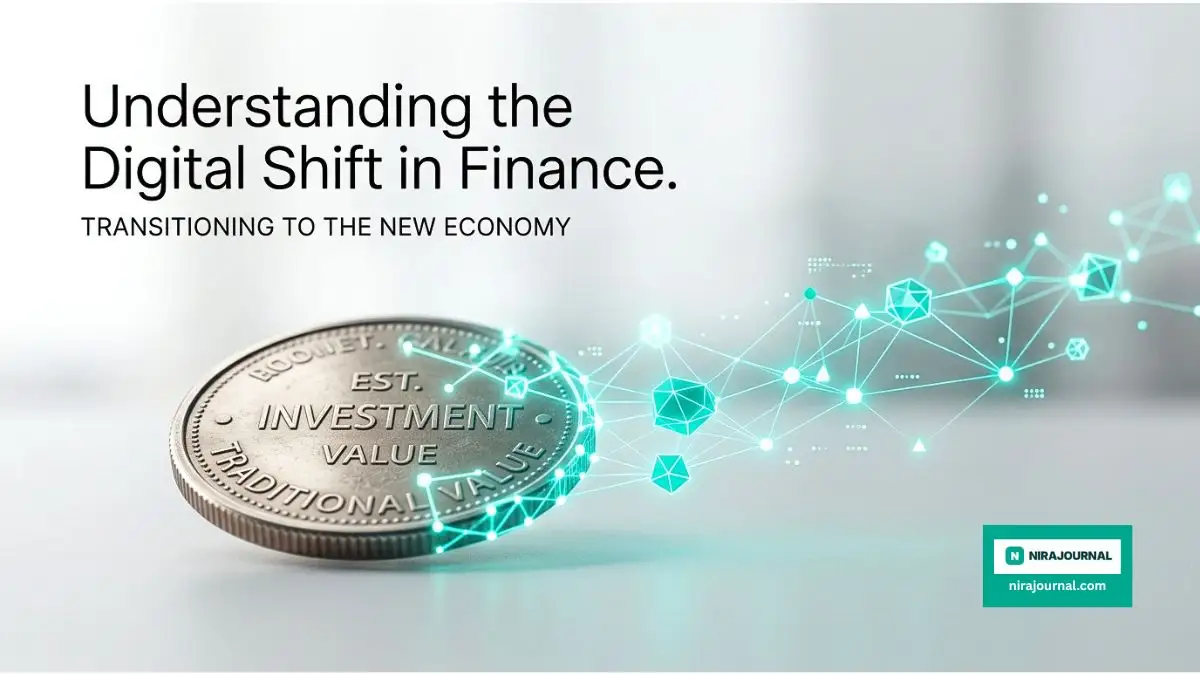
Bridging the Gap: Your Personal Translation Guide
You don't have to learn a completely new financial system from scratch. Instead, we are just going to translate this new digital terminology directly into the traditional banking concepts you already use every day.
Ready to watch a quick visual breakdown before we continue?
Understanding these basic terms visually can instantly remove your anxiety and help you grasp the mechanics of digital finance in under five minutes.
The Big Ledger in the Sky
Let us start with the most common word you hear: Blockchain. Whenever technical people talk about this, they use confusing descriptions about cryptography and peer-to-peer networks. In reality, a blockchain is simply an open, transparent digital accounting book.
Think about how your local bank keeps track of your money. They have a private ledger that only the bank managers and tellers can see. If you send money to a friend, the bank updates their private ledger to reflect the transaction.
A blockchain does the exact same job, but it is completely public and shared across thousands of computers. Imagine a massive, unbreakable Google Document where every transaction is recorded for everyone to see. No single person or bank controls this document, making it nearly impossible to fake or alter past records.
Understanding Where the Money Lives
In the conventional world, your cash lives in a physical leather wallet or a bank account. In the digital world, your assets live on the blockchain, but you use a Digital Wallet to access them. This is where many traditional investors get extremely nervous.
There are two main types of storage you need to know: Hot Wallets and Cold Wallets. A hot wallet is connected to the internet, much like your everyday checking account via a mobile app. It is very convenient for daily trading, but it is also slightly more vulnerable to online hackers.
A cold wallet is a physical device, usually looking like a small USB drive, that stays completely offline. Think of a cold wallet as your personal bank vault or a heavy safety deposit box. You only use it for long-term storage of your most valuable assets.
When I first started researching digital assets, I kept everything on a mobile hot wallet because physical devices seemed too technical to bother with. After briefly losing my phone during a weekend trip, I immediately bought a hardware wallet. Taking twenty minutes to learn how offline storage works will save you a lot of unnecessary stress.
Pro Tip from My Own Experience: I once kept all my digital assets on a mobile app because I thought physical devices were too complicated. I lost my phone during a trip and experienced the worst panic attack of my life trying to recover my account. I quickly realized that taking the extra twenty minutes to learn about offline storage is the best investment you will ever make.
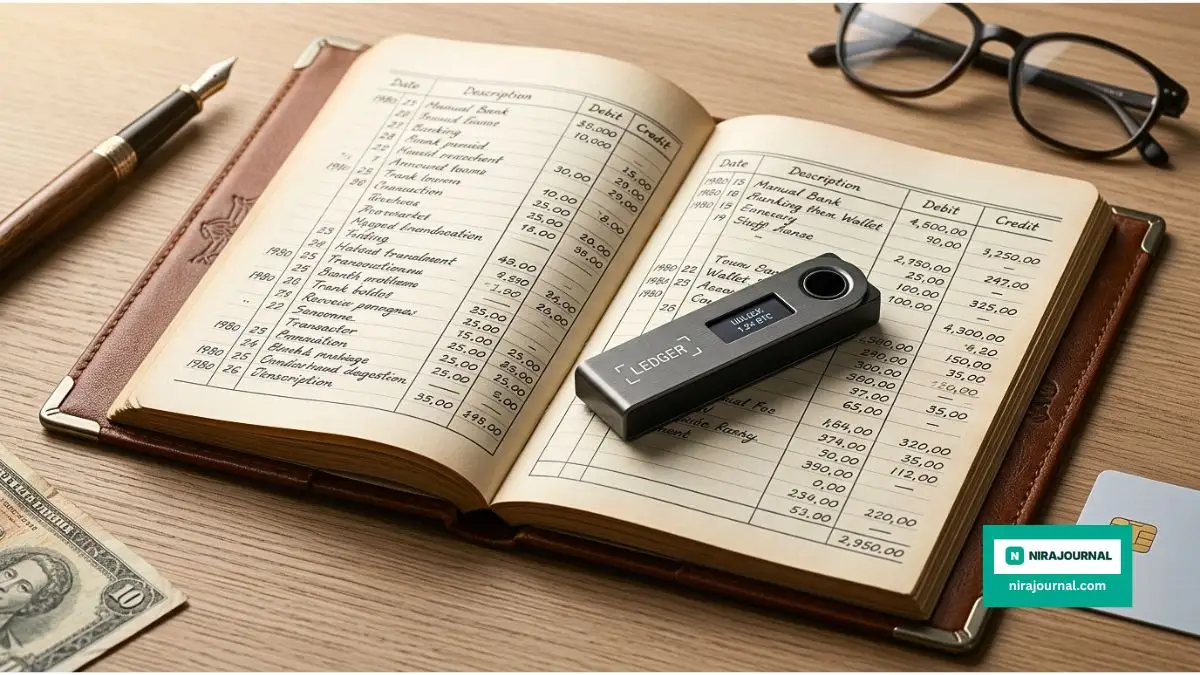
The Security Keys to the Kingdom
When you open a bank account, you get a PIN code and a password. In the digital asset space, you receive a Seed Phrase (sometimes called a recovery phrase). This is a master password, usually consisting of 12 to 24 random words generated specifically for you.
This phrase is the absolute most important concept you must grasp right now. If you forget your bank password, you can call a 1-800 number to reset it. If you lose your seed phrase, your digital money is gone forever, and there is no customer service desk to call.
Securing this phrase is just as critical as backing up your business data. Whenever you are planning for worst-case scenarios, just like establishing Strategic Frameworks for Structuring a Bulletproof Small Business Continuity Plan, you must treat your seed phrase with the highest level of physical security. Write it down on real paper and lock it in a fireproof safe.
Decoding the Network Fees
When you wire money internationally through a standard bank, you pay a heavy wire transfer fee. When you move digital assets from one place to another, you pay what is called a Gas Fee. It sounds silly, but it simply means the transaction cost required to process your request.
Quick Rule of Thumb for Gas Fees:
- Avoid: Weekday mornings and afternoons (EST) when network traffic and fees are usually at their highest.
- Best Time to Transfer: Late evenings or weekend mornings, when fewer people are trading and network tolls are significantly cheaper.
These fees go directly to the thousands of computers that are maintaining that public ledger we talked about earlier. Just like paying a toll on a busy highway, gas fees can go up when the network is highly congested. If you try to move assets during peak hours, you will pay a premium.
Understanding this helps you save a lot of money over time. You can actually choose to make your transactions during quiet hours to keep your costs incredibly low. It is exactly like waiting for a discount period to make a large stock purchase.
Exploring the World of Automated Escrow
You might often hear the term Smart Contract floating around investment forums. It sounds like something lawyers argue over in a courtroom. However, a smart contract is just a simple computer program that automatically executes a transaction when certain conditions are met.
Think of a standard vending machine in a hospital waiting room. You put in a dollar, you press the button for a soda, and the machine automatically drops the drink. You do not need a cashier to facilitate this trade because the rules are hardcoded into the machine.
Smart contracts do this exact same thing for complex financial agreements. According to research on decentralized systems by the National Bureau of Economic Research, these automated protocols remove the need for expensive middlemen. They allow two strangers to trade assets safely without needing an expensive broker to oversee the deal.
Making Your Assets Work For You
As a traditional investor, you absolutely love dividends. Getting paid simply for holding a stock is one of the best ways to build long-term wealth. The digital equivalent of earning dividends is known as Staking.
When you stake your digital assets, you are temporarily locking them up to help secure the network. In exchange for your contribution, the network rewards you with more digital assets. It is remarkably similar to putting your cash into a Certificate of Deposit (CD) at your local bank.
The main difference is that staking rewards can often be much higher than traditional bank interest rates. However, just like any high-yield investment, it comes with its own set of unique risks. You must carefully research the specific network before committing your funds for an extended period.
The Myth of Complex Technology
Many people assume this technology requires a massive tech background to use safely. This is a complete myth. The user interfaces for these digital platforms have improved dramatically over the last few years.
If you know how to order groceries through a mobile app, you have the technical skills to buy digital assets. The complicated coding happens entirely behind the scenes, far away from your screen. Your only job is to understand the basic terminology so you can make informed, rational decisions.
Traveling With Your Digital Wealth
One of the most fascinating aspects of digital assets is their borderless nature. When you cross international borders, carrying physical gold or huge amounts of paper cash is dangerous and heavily regulated. Your digital wealth, however, exists on the public ledger and can be accessed from anywhere in the world.
Your mobile device essentially becomes a global bank branch in your pocket. Because of this massive convenience, your phone's security becomes your highest priority. This is why properly configuring your device, similar to implementing 5 Secret Tech Settings to Change Before Flying [Avoid These Mistakes], is a non-negotiable step for modern investors.
You must protect your screens with strong biometrics and secure passwords. Never log into your financial applications using public airport Wi-Fi without strong protective measures. A little bit of digital hygiene goes a very long way in protecting your investments.
Decentralized Finance Without the Bank Manager
Another term that frequently confuses people is DeFi, which stands for Decentralized Finance. This is simply a broad umbrella term for all financial services that operate without a central authority. Imagine a massive, global bank that has no CEO, no physical branches, and no loan officers.
In the DeFi space, people can lend money, borrow funds, and trade assets entirely through software. Instead of a bank taking a massive cut of your interest rate, the profits are distributed directly to the users participating in the system. It is the ultimate form of peer-to-peer commerce.
While the concept is incredibly exciting, it is still an evolving frontier. Traditional investors should approach DeFi exactly how they approach investing in emerging market stocks. You start with tiny amounts of capital, learn how the system behaves, and never risk money you need for daily living expenses.
Navigating the Emotional Rollercoaster
You will quickly notice that the digital asset community has its own strange slang and culture. Words like "FOMO" (Fear Of Missing Out) and "FUD" (Fear, Uncertainty, and Doubt) are used constantly. These terms describe the heavy emotional psychology that drives these volatile markets.
When a new asset suddenly skyrockets in price, novice investors experience intense FOMO and buy at the absolute top. When prices naturally correct themselves, the market is flooded with FUD, causing people to panic sell at a loss. As a seasoned stock investor, you already know that emotional trading is a guaranteed path to ruin.
Another popular slang word is HODL, which originated from a drunken typo of the word "hold" on an internet forum years ago. Today, it stands as a mantra for remaining steady during wild market swings. It simply means holding onto your investments despite extreme price volatility, exactly like a disciplined long-term value investor.
The Ultimate Shift in Financial Control
The hardest transition for traditional minds is moving from a system of full reliance to a system of self-custody. We are deeply conditioned to let banks handle all our security and financial mistakes. If our credit card is stolen, the bank simply reverses the fraudulent charges.
In this new digital framework, you are your own bank. This provides incredible freedom and removes all arbitrary account limits or freezing of funds. According to the Financial Industry Regulatory Authority, this self-custody requires a profound shift in personal responsibility.
You cannot rely on a customer service representative to fix a careless error. If you send digital funds to the wrong address, that money is permanently gone. Taking your time, double-checking your work, and starting with very small test transactions is the best way to build your confidence safely.
Understanding these foundational terms is just the beginning of your new financial journey. Once you stop viewing these words as scary tech jargon, you will start seeing them for what they really are. They are just new tools designed to give you more control over your own wealth.
With this simple translation guide in hand, you are no longer an outsider looking in. You have the knowledge to read market reports, listen to financial podcasts, and make sense of the digital economy. Now, it is time to take the next practical steps toward building a secure, modern portfolio.
Taking Control of Your Modern Financial Journey
Understanding the basic vocabulary is only the first part of your new adventure. Now that the intimidating jargon is out of the way, you need a solid strategy to manage these digital assets safely. Traditional investing relies heavily on brokers to make moves for you behind the scenes. In this new ecosystem, you are completely in the driver's seat.
This newfound control is incredibly empowering, but it also demands a slightly different daily routine. You do not need to become a day trader staring at multiple glowing screens. You simply need to apply your decades of conventional wisdom to a brand new set of tools.
One of the most powerful habits you can build right now is learning to read a block explorer. Think of a block explorer like a FedEx tracking page for your money. When you send funds from your digital wallet, you receive a transaction ID instead of a paper receipt.
You can paste this ID into a public block explorer to watch your money move in real time. It tells you exactly when the transaction was verified and how much gas fee was paid. This complete transparency instantly removes the anxiety of wondering if your money actually reached its destination.

Mastering Portfolio Integration Safely
The next step is deciding how these new assets fit into your existing retirement plans. You should never abandon your safe, dividend-producing stocks just because digital assets seem exciting. Instead, treat this new category exactly like a high-risk venture capital allocation.
Smart investors usually cap their digital exposure to a very tiny percentage of their total net worth. This approach allows you to participate in potential massive growth without risking your core financial stability. According to portfolio management guidelines published by the CFA Institute Research Foundation, strict asset allocation rules are the best defense against extreme market volatility.
Tracking the performance of these assets requires a bit more effort than reading a monthly mutual fund statement. Because the market operates around the clock, price swings can happen while you are sleeping. This is exactly why learning to filter out short-term noise is an absolute requirement for your peace of mind.
If you want to track your digital portfolio like a true professional, you might want to upgrade your technical skills. Many successful everyday investors are now exploring Essential Open-Source Platforms for Mastering Advanced Data Analysis at Your Own Pace. Learning to analyze raw market data on your own gives you a massive advantage over people who just follow social media rumors.
The Art of Self-Auditing
In the traditional banking system, external auditors verify that the bank actually holds your cash. In the digital economy, you must become your own personal auditor. You should make it a monthly habit to connect your cold wallet and verify your balances.
This routine check takes less than five minutes but provides immense psychological comfort. You simply plug in your device, enter your secure PIN, and confirm that your assets are exactly where you left them. It is just like driving past a piece of physical real estate you own to make sure the building is still standing securely.
During this monthly check, you should also review the physical condition of your paper backups. Ensure the notebook holding your seed phrase has not been damaged by moisture or misplaced. Treating your backup materials with extreme respect is the highest level of financial maturity.

The Hidden Pitfalls Awaiting Traditional Minds
The transition from conventional banking to digital ownership is filled with unique emotional traps. Because the underlying technology operates flawlessly, the biggest risk to your portfolio is usually human error. Even highly experienced stockbrokers make terrible mistakes when they first enter this space.
These errors happen because our brains are completely wired to expect a safety net. We assume someone is always there to fix a typo or reverse a bad decision. In the blockchain world, transactions are permanent, and there is zero room for careless mistakes.
Let us walk through the most devastating traps that catch smart people completely off guard. Understanding these scenarios before they happen is your ultimate shield against permanent financial loss.
The Customer Service Illusion
The Scenario: You notice an unauthorized transaction leaving your digital wallet. You immediately panic and search Google for the customer support number of the wallet manufacturer. You find a helpful-looking forum post offering a "support desk" link.
The Reality: There is no official customer service desk for decentralized networks. The person on the other end of that link is a scammer waiting to steal your remaining funds. They will politely ask you to verify your identity by typing in your seed phrase.
The moment you hand over those secret words, your account is drained instantly. To protect yourself from these sophisticated social engineering attacks, you must adopt a zero-trust mindset online. Security guidelines from the Cybersecurity & Infrastructure Security Agency (CISA) heavily emphasize that legitimate organizations will never ask for your master recovery keys.
Chasing the High-Yield Fantasy
The Scenario: You read about a brand new digital asset offering a massive 50% interest rate for staking. It feels like a guaranteed way to double your money in just a few months. You sell off a chunk of your reliable index funds to chase this incredible return.
The Reality: In finance, whenever a yield seems too good to be true, you are the actual product. These astronomical rates are usually paid out in highly inflationary tokens that rapidly lose their value. The network might pay you exactly what they promised, but the underlying asset could crash by 90% overnight.
This is no different from buying a terrible penny stock just because it promises a huge temporary dividend. You must always investigate where the yield is actually coming from before locking up your money. If the project cannot clearly explain how it generates revenue, you should run far away.
The Danger of Fake Diversification
The Scenario: You decide to buy twenty different, highly obscure digital tokens to spread out your risk. You feel incredibly smart because your portfolio looks heavily diversified on your tracking app. You assume that if one fails, the other nineteen will easily cover your losses.
The Reality: The digital asset market is highly correlated, meaning almost everything moves in the exact same direction. When the primary network drops in value, all the smaller tokens usually crash much harder. True diversification means owning assets that behave completely differently under the same economic conditions.
You can easily learn this lesson by studying how physical assets react to interest rate changes. For example, Interpreting Historical Market Trends to Understand Local Property Value Fluctuations shows how tangible assets provide real protection during digital market downturns. Holding twenty different software tokens is just concentrated risk disguised as diversification.
Treating Exchanges Like Bank Vaults
The Scenario: You buy your first digital assets on a popular, highly regulated trading platform. The user interface is beautiful, and logging in with FaceID feels incredibly safe. You decide to leave all your funds sitting on this platform for the next five years.
The Reality: A trading platform is a public marketplace, not a government-insured savings account. If that specific company goes bankrupt or suffers a massive internal hack, your assets are tied up in legal proceedings for years. You become an unsecured creditor fighting for pennies on the dollar.
The golden rule of digital finance is simple: "Not your keys, not your coins." The moment your purchase clears, you must move those assets off the exchange and into your private cold wallet. Taking personal custody is the only way to guarantee your wealth remains yours.
The Do's and Don'ts of Digital Ownership
- Do send a tiny test transaction of just one dollar before moving a large sum of money.
- Don't brag about your digital portfolio on social media or tell strangers what you own.
- Do write your 24-word seed phrase on heavy physical paper using a permanent archival pen.
- Don't ever take a photograph of your seed phrase or save it in your phone's digital notes.
- Do set up strict calendar reminders to plug in your hardware wallet and run software updates.
Your Action Plan for Tomorrow Morning
You have successfully navigated the steepest part of the learning curve. You now understand the language, the tools, and the hidden dangers of this new financial frontier. The confusion that once paralyzed you has been replaced with clear, actionable knowledge.
You no longer have to sit silently when the conversation turns to digital money at family gatherings. You can confidently explain the difference between a hot wallet and a cold storage device. More importantly, you know exactly how to protect your hard-earned wealth from careless technical errors.
Your next physical step is entirely risk-free and requires zero financial investment. Take out a notebook today and simply outline exactly what your digital storage plan will look like. Decide where you will keep your physical backups before you ever buy your first digital fraction.
Building a modern portfolio takes a lot of patience, but the long-term clarity is worth every single minute. Start incredibly small, focus heavily on mastering the security basics, and never rush your decisions. The traditional investing rules of discipline and patience still apply perfectly in this digital age.
I clearly remember the exact moment my fear finally turned into genuine excitement. I successfully moved a small test amount from a hot wallet to my physical device, completely on my own. That tiny action made me realize I was finally in full control of my financial destiny, and I know you will feel that exact same incredible empowerment.
Common Questions About Navigating Digital Assets
Do I have to buy a whole digital coin to get started?
No, you absolutely do not need to buy a full digital coin. Almost all digital assets are highly divisible, meaning you can buy tiny fractions of them. You can comfortably start your investing journey by purchasing just twenty dollars' worth of an asset.
Are these digital networks taxable like regular stocks?
Yes, in most major countries, digital assets are treated exactly like property for tax purposes. If you buy an asset and sell it later for a profit, you owe capital gains taxes on that growth. You should always keep detailed records of your purchase prices to make tax season completely stress-free.
What happens to my money if the internet goes down?
Your digital assets are safely recorded on the global blockchain, which is distributed across thousands of computers worldwide. A local internet outage in your city does not affect the global network at all. Once your connection returns, you will find your assets completely untouched and perfectly secure.
How do I know which digital wallet software is safe to use?
You should only use widely recognized wallets that have been thoroughly audited by independent security firms. The safest options are entirely open-source, meaning security experts can publicly review the underlying code. Always download software directly from the manufacturer's official website, never from random third-party links.
Can my traditional stockbroker just hold these assets for me?
Yes, many traditional brokerages now offer exchange-traded funds (ETFs) that track the price of major digital assets. This allows you to gain price exposure directly within your standard retirement account. However, you will not actually own the underlying digital asset, meaning you cannot send it to a personal wallet.
Disclaimer: The information provided in this blog post is for educational and informational purposes only and does not constitute financial, investment, or legal advice. Digital assets are highly volatile and carry a significant risk of loss. Always conduct your own independent research and consult with a certified financial advisor before making any investment decisions. The author and publisher are not responsible for any financial losses incurred from the use of this information.
About the Author
Munira Parveen is a dedicated Digital Content Strategist and Lead Researcher with a passion for simplifying complex topics. From navigating personal finance and emerging tech trends to uncovering the best practical lifestyle solutions, she spends her time analyzing data to bring readers highly accurate, actionable, and easy-to-understand guides. Her ultimate goal is to empower everyday people to make smarter, more informed decisions in this fast-paced digital world.
![The Ultimate Blueprint for Decoding Local Housing Values [Step-by-Step]](https://nirajournal.com/storage/uploads/blogs/1787719915_the-ultimate-blueprint-for-decoding-local-housing-values-step-by-step.webp)
![Proven Strategy: How to Learn Advanced Data Analysis Without Spending a Dime [Inside Guide]](https://nirajournal.com/storage/uploads/blogs/1787656789_proven-strategy-how-to-learn-advanced-data-analysis-without-spending-a-dime-inside-guide.webp)