The Nightmare of Choosing the Wrong Web Address
I remember staring at my computer screen at 2 AM, completely frozen with indecision.
I had brainstormed the perfect business name, but the dot-com version was already taken by a random parked page. I desperately wanted to launch my website the next day.
So, I made a rash decision and bought a .co extension instead, thinking no one would ever notice the missing 'm'.
Boy, was I completely wrong about that. Within the first month, my business emails started going straight into the spam folders of my clients.
Confused customers kept messaging me on social media saying my website was completely broken. They were accidentally typing the dot-com version by habit and ending up on a blank screen.
That simple mistake cost me sleepless nights, lost revenue, and a massive amount of stress. I felt like I was losing control over my own business identity.
The Hidden Psychology Behind Your Web Address
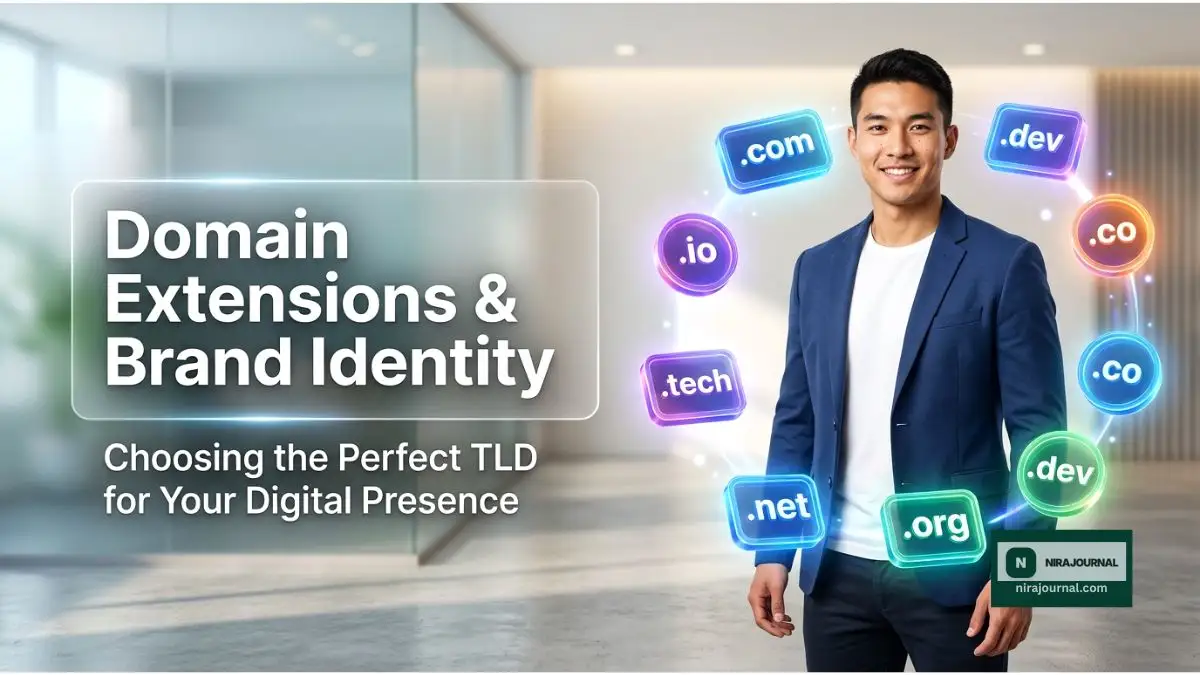
When you start a business, your domain extension is often the first thing people notice. It acts as the digital front door to your entire brand.
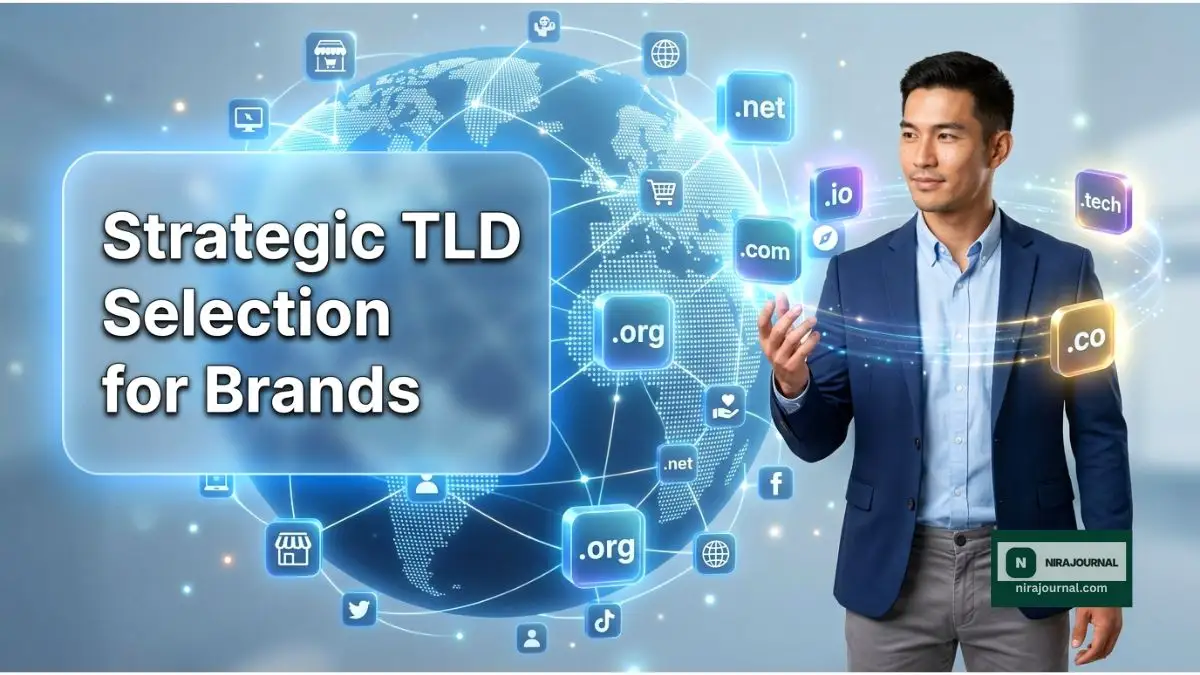
Think of the internet as a massive digital real estate market. The extension you choose tells people exactly what kind of neighborhood your business lives in.
A traditional extension feels like a prime storefront on a busy main street. People trust it immediately because it looks familiar and safe.
On the other hand, choosing a weird or unknown ending can make your website feel like a shady alleyway store. Customers might hesitate before clicking your link or handing over their credit card details.
This hesitation directly hurts your sales and damages your reputation. You work hard to build trust, but the wrong web address can instantly destroy that hard-earned credibility.
Understanding the Trust Factor
Trust is the single most important currency on the internet today. When a user sees your website link, their brain makes a split-second judgment about your legitimacy.
People are naturally afraid of getting scammed or clicking on dangerous links. They rely on familiar patterns to feel secure while browsing the web.
This is why understanding the psychological impact of your web address is incredibly important. You are not just buying a name; you are buying a specific level of public trust.
Before you even think about setting up a new website, you need to understand How to Safely Connect Your Domain to a New Host (Avoid Downtime). This ensures your brand identity remains secure during the technical setup process.
The Unquestionable Dominance of .COM
Let us talk about the heavy hitter in the digital world. The .com extension is the undisputed king of web addresses.
It was originally created for commercial businesses, but it quickly became the default setting for the entire internet. When most people think of a website, they automatically type dot-com at the end of it.
Owning the .com version of your name gives you instant authority. It tells your audience that your business is established, serious, and ready for long-term success.
However, finding a good, short dot-com name today is incredibly difficult. Most dictionary words and simple combinations were bought up a long time ago.
This forces many new business owners to add extra words or hyphens to their name just to get the dot-com. This strategy often backfires because long names are hard for customers to remember.
The Rise of Tech-Savvy Alternatives
Since getting a traditional web address is so hard, many startups are turning to modern alternatives. Extensions like .io and .ai have become extremely popular in the technology industry.
Originally, .io was simply the country code for the British Indian Ocean Territory. However, developers loved it because "IO" stands for input/output in computer science.
If you run a software company, a tech startup, or a digital app, using a .io or .ai extension makes complete sense. It instantly signals to your audience that you are a modern, forward-thinking brand.
Your target audience in the tech space already trusts these extensions. They view them as a badge of honor and a clear sign of innovation.
Why Non-Profits Still Rely on .ORG
Not every organization wants to look like a massive corporate machine. If your goal is to build a community or run a charity, your brand identity needs to reflect empathy and trust.
The .org extension was specifically designed for non-profit organizations. It carries a heavy sense of social responsibility and public service.
When people see a .org website, they automatically assume the site exists to help others, not just to make money. It is a powerful tool for building goodwill and emotional connection.
However, using a .org for a standard retail business can deeply confuse your customers. They might wonder why a shoe store is using a charity-focused web address. Always align your extension with your actual business goals.
Exploring Specific Industry Identities
Today, the internet allows you to get incredibly specific with your brand identity. There are hundreds of new options designed for very specific industries.
For example, an e-commerce brand might choose a .store or .shop extension. This instantly tells the visitor exactly what they can expect before the page even loads.
Creative professionals often use .design or .studio to showcase their portfolios. These descriptive endings help you stand out in a crowded digital space.
While these options are unique, they do require you to educate your audience. You will have to constantly remind people not to type dot-com at the end of your name.
If you want to understand exactly how these different options are categorized globally, you can read this detailed breakdown of Top-Level Domains by Cloudflare. It offers a great technical explanation of how the internet organizes these names.
The Power of Local Targeting
Sometimes, the best strategy is to focus entirely on your local community. Country-code extensions like .uk for the United Kingdom or .ca for Canada are amazing tools for local businesses.
Using a local extension immediately builds a strong connection with people in that specific region. It shows that you are physically present and actively serving their local market.
Search engines also use these country-specific endings to show relevant results to local searchers. If someone in London searches for a plumber, search engines prefer to show them a .co.uk website.
This is a massive advantage if your business only operates in one country. You get an automatic boost in local trust and a better chance at reaching the right customers.
Here is a quick look at how different choices impact customer perception:
My Personal Realization on Naming
I learned the hard way that a clever domain name means absolutely nothing if people cannot spell it.
My biggest mistake was picking something that looked great on paper but sounded terribly confusing when spoken out loud.
Always read your proposed web address out loud to a friend over the phone before you buy it. If you have to spell it out letter by letter for them, you need to pick a different name immediately.
Overcoming Email Deliverability Issues
One of the biggest hidden dangers of unique domain extensions is how they affect your business emails. Many spam filters are highly suspicious of new or uncommon web endings.
If you use a very cheap or heavily spammed extension like .biz or .info, your emails might never reach your clients. Spam filters automatically block these because scammers frequently use them.
This creates a massive communication breakdown for your brand. You will send important invoices or proposals, and your clients will never see them.
Sticking to well-respected extensions protects your email reputation. It ensures that your daily business operations run smoothly without annoying technical hiccups.
Balancing SEO and Your Brand Name
Many beginners believe that having a specific keyword in their domain extension will magically boost their search engine rankings. This is one of the biggest myths on the internet today.
Search engines care about high-quality content, good user experience, and strong backlinks. They do not automatically rank a .store website higher just because someone searched for an online store.
Your web address should always focus on brandability first and search engines second. A memorable name is far more valuable than a clunky keyword-stuffed name.
When your website loads fast and keeps data secure, users will naturally stay longer. If you want to build this kind of trust, you must read our guide on how to Stop Losing Visitors: A Simple Roadmap to SSL Encryption (Save Time & Money).
Important Visual Breakdown
Choosing the right web address can completely make or break your online presence. Watch this quick visual breakdown to understand exactly how domain extensions shape customer perception and behavior.
Myth vs Reality: What You Need to Know
There is a lot of bad advice floating around regarding web addresses. Let us clear up some of the most common misunderstandings right now.
Myth: You must own every single extension of your brand name to be successful.
Reality: Buying every variation is a huge waste of money for a small business. Focus on owning your primary extension and maybe one local country code.
Myth: New top-level domains are bad for search engine optimization.
Reality: Search engines treat new extensions exactly the same as traditional ones. Your content quality is what actually drives your search traffic.
Myth: People will always remember your unique extension if your branding is good.
Reality: Human habit is extremely hard to break. A large percentage of users will still type dot-com by default, no matter how good your marketing is.
Protecting Your Intellectual Property
As your brand grows, you will need to think about protecting your digital identity. Competitors might try to buy similar web addresses to steal your traffic.
This is known as cybersquatting, and it is a massive headache for growing businesses. If your main site is a .co, a competitor might buy the .com and redirect your potential customers to their site.
To prevent this, many successful brands buy the top three extensions (.com, .net, .org) of their name and redirect them all to the main website. This defensive strategy secures your brand identity across the board.
You can read more about how major organizations view web usability and naming conventions by looking at the Nielsen Norman Group's research on domain names and web usability. Their research proves that simple, predictable names always win.
Crafting a Memorable User Experience
Your web address is the very first step in your overall user experience journey. If it is complicated, you are starting the customer relationship with friction.
A great web address should be easy to say, easy to spell, and easy to type on a small mobile keyboard. Think about how often people browse the internet on their phones while on the go.
If your name includes multiple hyphens or strange spellings, mobile users will simply give up. You want a name that flows naturally from their brain to their fingertips.
Test your ideas with real people before you finalize your decision. Ask them what kind of business they think you run just by looking at your chosen web address.
Their immediate reaction will tell you everything you need to know about your new brand identity. Make sure their perception matches your actual business goals perfectly.
Taking Total Control of Your Digital Identity
Once you understand the basic psychology of web addresses, it is time to look at some professional strategies. Successful business owners do not just randomly pick a name and hope for the best.
They treat their domain extension as a core part of their long-term marketing strategy. If the exact dot-com you want is already taken, you are not completely out of luck.
There is a massive secondary market for premium web addresses. People buy and hold valuable names just like investors buy empty land in a growing city.
You can actually negotiate with these private sellers to acquire your dream name. Many beginners are terrified of doing this, but it is a very normal business practice today.
The Art of Buying a Pre-Owned Web Address
When you find out your perfect name is taken, visit that web address directly. Often, you will see a simple landing page that says the name is available for purchase.
If the page is completely blank, you can still find the owner by doing a little detective work. You can use public databases to look up the registration details.
For an official and safe way to check who owns a specific name, you can use the ICANN Registration Data Lookup Tool. This global registry allows you to search for the legal owner of almost any web address on the internet.
Once you find their contact information, send them a very polite and professional email. Ask them if they would be open to a reasonable offer for the name.
Never tell them that you desperately need the name for your new startup. If they know you have a big budget, they will instantly raise the asking price.
Hiring a Professional Domain Broker
Sometimes the owner of a premium name is very difficult to reach. They might ignore random emails because they receive too much spam on a daily basis.
In these situations, hiring a professional domain broker can be an excellent investment. A broker acts as a middleman between you and the current owner.
These experts know exactly how to track down secretive sellers and start a conversation. They also understand the realistic market value of different domain extensions.
A good broker will keep your identity completely hidden during the negotiation phase. This prevents the seller from hiking up the price just because they see you own a successful company.
Once the deal is done, the broker will use a secure escrow service to transfer the money and the name safely. This guarantees that you will not get scammed out of your hard-earned cash.
Securing Your Intellectual Property First
Before you spend thousands of dollars on a premium extension, you must check for existing trademarks. This is a step that many excited entrepreneurs completely forget to do.
Just because a web address is available to register does not mean you have the legal right to use it. Another company might already own the trademark for that exact word in your specific industry.
If you build your entire brand identity around a trademarked name, you will eventually receive a cease and desist letter. You could lose your website, your branding, and a lot of money in legal fees.
You can easily avoid this nightmare by searching official trademark databases before making your final choice. To understand how domain disputes are legally resolved on a global scale, you should read the official guidelines provided by the World Intellectual Property Organization (WIPO).
The Custom Link Shortener Strategy
Here is a brilliant branding secret that many top creators use. Even if they own the dot-com for their main website, they buy a secondary extension just for sharing links on social media.
For example, a company called "Fresh Foods" might own "freshfoods.com" as their main home on the web. But they might also buy "fresh.co" specifically to create short, beautiful links for Twitter and Instagram.
This makes your brand look incredibly polished and professional. It also trains your audience to recognize your custom link structure, which builds massive trust over time.
Setting up a custom short link is very easy and usually only costs a few dollars a year. It is a highly effective way to use alternative domain extensions to boost your brand identity without confusing your main customers.

Silent Brand Killers You Must Avoid
Now that you know the advanced strategies, we need to talk about the dangerous traps. Many small business owners ruin their digital identity before they even launch their first product.
These mistakes seem very small at first glance, but they cause massive damage over time. They quietly drain your marketing budget and push your potential customers away.
I have seen brilliant startups completely fail simply because they made the wrong choice during the registration process. Let us walk through these common pitfalls so you can keep your brand perfectly safe.
The Social Media Mismatch Nightmare
Imagine telling a customer to visit your website at "brightideas.store". They love your products and immediately open Instagram to follow your daily updates.
However, because you did not check social media availability beforehand, your Instagram handle is something completely different, like "bright_ideas_official_99".
This instantly shatters your professional brand identity. Customers become confused and wonder if they have found the correct page.
Many people will simply give up and close the app rather than hunting for your real profile. You must always check if your chosen name is available across all major social networks before you buy the web address.
Your domain extension and your social media handles should work together as a unified team. When they match perfectly, your brand feels incredibly trustworthy and established.
Failing the Classic Radio Test
This is perhaps the most common and damaging mistake a new business owner can make. In a desperate attempt to find an available name, they use strange spellings or insert random hyphens.
They might register a name like "best-pizza-4-u.net" and think it looks great on a business card. But think about what happens when you say that name out loud.
Imagine you are being interviewed on a popular local radio station. The host asks you where listeners can find your menu online.
You have to say, "Go to best dash pizza dash the number four the letter u dot net." By the time you finish explaining the spelling, the listener has completely tuned out.
If your web address cannot be easily understood when spoken over a noisy phone connection, it is a bad choice. Always aim for a name that passes the spoken radio test flawlessly.
Panicking Over Technical Setups
Buying your web address is only the first step of the journey. You then have to connect that name to the actual server where your website files live.
This process requires changing specific settings called DNS records. Often, business owners make these changes and immediately check their website, only to find a completely blank page.
They panic, thinking they have broken their brand new digital identity forever. They start pressing buttons randomly, which only makes the situation much worse.
The truth is, these technical changes take time to travel across the global internet. If you are pulling your hair out over this, you need to read our guide on Why Your Website Isn't Showing Up After Updating DNS Nameservers [Proven Fixes].
Understanding this technical delay will save you a massive amount of unnecessary stress. It allows you to calmly manage your brand identity without making rushed mistakes.
Neglecting Your Digital Security
Your domain name is the most valuable digital asset your business owns. If someone steals it, they can completely destroy your brand identity overnight.
Hackers can redirect your web address to malicious websites, instantly ruining your reputation with your customers. They can also intercept all of your business emails, gaining access to private client data.
Many people simply buy their name, set up a weak password, and never think about security again. This is a massive mistake that leaves the door wide open for cybercriminals.
Always use a strong, unique password for your registrar account and turn on two-factor authentication immediately. You also need to ensure that the server hosting your actual website is equally protected.
To keep your hard work safe from hackers, strictly follow these Essential Server-Side Security Measures to Protect Your Files from Unauthorized Access. Taking security seriously proves to your customers that you respect their privacy and trust.
Forgetting the Renewal Date
This might sound like a silly mistake, but it happens to massive corporations every single year. They buy a brilliant web address, build a great brand around it, and then simply forget to renew the registration.
When a name expires, it eventually goes back to the public market. Competitors or malicious buyers use automated software to snatch up these dropped names within seconds.
If this happens, you will suddenly lose your website, your business email, and your entire digital identity. Getting the name back from a hostile buyer will cost you thousands of dollars in ransom fees.
To avoid this embarrassing disaster, always turn on the auto-renew feature inside your account. Also, make sure the credit card on file is always up to date so the automatic payment never fails.
Your Game Plan for Online Success
Building a highly respected brand identity does not happen by accident. It requires thoughtful planning, clear communication, and a deep understanding of your target audience.
By strategically choosing the right domain extension, you instantly communicate your values to the world. You tell people exactly who you are, what you stand for, and how you plan to help them.
Remember to keep your name simple, memorable, and easy to type on a mobile phone. Protect your legal rights, match your social media handles, and always prioritize customer trust above everything else.
Take a deep breath and look at your current digital presence right now. Make the necessary adjustments today, and watch how quickly your audience begins to respond with stronger loyalty and respect.
I know how overwhelming all this technical jargon can feel when you are just starting out. But trust me, taking the time to get your web address right today will save you years of endless frustration down the road.
Real Questions People Ask About Web Addresses
Does my domain extension affect my social media marketing?
Yes, it heavily influences how people perceive your brand when they click a link on social media. A clean, recognizable extension makes users feel safe leaving their favorite app to visit your website. If your link looks spammy or uses a strange ending, people simply will not click it.
Can I change my web address later if I make a mistake?
You can technically change your web address later, but it is a very painful and risky process. Changing your name means you have to build up your search engine trust completely from scratch. It is always better to take your time and pick the perfect name on the very first day.
Why are some domain extensions so incredibly expensive?
Certain endings, like dot-ai or dot-io, are considered premium real estate in the technology industry. Registries charge more for these because they know startups are willing to pay for that modern brand identity. Traditional endings are usually much cheaper for everyday small businesses.
Should I buy the misspelled versions of my brand name?
If you have extra budget, buying common misspellings of your main name is a very smart defensive strategy. You can easily redirect those misspelled names directly to your main website. This ensures you never lose a potential customer just because they typed a little too fast.
Is it necessary to hire a lawyer before buying a web address?
For a simple personal blog or a small hobby site, hiring a lawyer is usually not necessary. However, if you are launching a serious corporate brand with a large budget, consulting an intellectual property lawyer is highly recommended. They will ensure your chosen name does not violate any existing global trademarks.
Disclaimer: The information provided in this blog post is for educational and informational purposes only. It does not constitute legal, financial, or professional business advice. We strongly recommend consulting with a certified intellectual property professional or legal advisor before making any major decisions regarding trademark registrations, brand identity, or premium domain acquisitions. We are not responsible for any direct or indirect losses incurred by following the strategies outlined in this post.
About the Author
Munira Parveen is a dedicated Digital Content Strategist and Lead Researcher with a passion for simplifying complex topics. From navigating personal finance and emerging tech trends to uncovering the best practical lifestyle solutions, she spends her time analyzing data to bring readers highly accurate, actionable, and easy-to-understand guides. Her ultimate goal is to empower everyday people to make smarter, more informed decisions in this fast-paced digital world.
![The Hidden Vulnerabilities: Essential Server Security Secrets [Step-by-Step]](https://nirajournal.com/storage/uploads/blogs/1785821004_the-hidden-vulnerabilities-essential-server-security-secrets-step-by-step.webp)