The Hidden Anxiety Behind Dreaming of Global Travel
I remember sitting at my kitchen table with a pile of printed hotel bookings, feeling my heart pound in my chest. I had planned a dream vacation across Europe, but the visa application form looked like an impossible math test. Every single question made me second-guess myself, and I was terrified of making a tiny mistake that would ruin everything. My brand new passport felt like a ticking time bomb instead of a ticket to an exciting adventure.
I spent endless hours reading conflicting advice on random internet forums. Eventually, I realized that I was overcomplicating things entirely because I lacked a clear direction.
This overwhelming feeling of anxiety is something almost every traveler faces at least once. You start planning a trip, imagining the beautiful streets of a foreign city, and tasting the local food in your mind. But then, the harsh reality of government paperwork slaps you right in the face.
Suddenly, your excitement is replaced by a massive headache. You start worrying about gathering bank statements, proving your ties to your home country, and hoping an immigration officer understands your genuine intentions.
For many regular people, this process completely destroys their peace of mind. Instead of enjoying the planning phase, you lose sleep worrying about rejection letters and wasted money on non-refundable flight tickets. The confusing instructions on embassy websites only make things worse.
You might even start feeling like you are under investigation just because you want to take a well-deserved holiday. It feels incredibly unfair that someone's honest desire to explore the world has to be blocked by such a stressful barrier.
Friends and family might offer advice, but their experiences are often outdated or entirely different from your unique situation. This leaves you feeling completely isolated in your struggle. You just want a straightforward, honest explanation of what to do next.
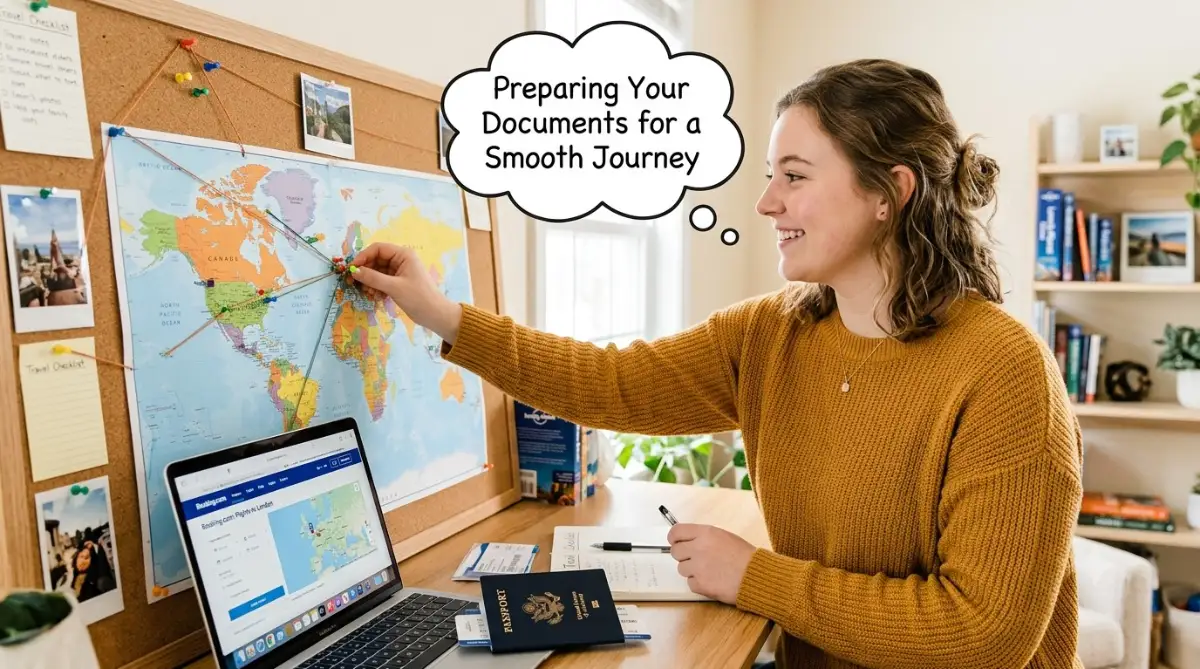
Decoding the Visa Puzzle: A Real-Life Approach to Getting Approved
The secret to conquering this paperwork mountain is treating the entire process like a simple, logical project. You do not need to be a legal expert to understand what immigration officers are actually looking for. They simply want to ensure you are going for tourism, you have enough money to support yourself, and you will definitely return home.
Once you understand this basic psychology, everything else falls into place naturally. Let us break down this journey into highly practical, easy-to-follow phases that you can start applying today.
Phase 1: Gathering the Core Evidence of Your Trip
Think of your application as a story you are telling a judge. You need solid proof to back up every single claim you make about your upcoming vacation. The very first piece of evidence is always your primary travel document.
You must check your passport's expiration date before you do anything else. Most countries strictly require your passport to be valid for at least six months beyond your intended return date. If your passport is nearing its end, renew it immediately to avoid sudden heartbreak at the embassy.
Next, you need to prove where you are staying and how you are getting there. This is where many people panic because they do not want to risk thousands of dollars on flights before getting approved. The smartest approach is to secure a verifiable flight reservation rather than a fully paid ticket.
Many airlines and travel agencies offer services where you can hold a flight itinerary for a small fee. This gives the embassy the exact flight numbers and dates they need to see without risking your hard-earned savings.
Similarly, booking your accommodation requires a strategic approach. You should look for hotels or hostels that offer fully refundable booking options. You can easily print out these confirmation emails as solid proof of your lodging plans.
If you are planning to travel alone to a completely new destination, you might have some extra worries about staying secure. To help you prepare mentally and practically for a solo adventure, I highly recommend checking out our upcoming guide on Navigating Safety Challenges as a Solo Traveler in Unfamiliar Global Cities. This will give you the confidence you need once your paperwork is finally sorted out.
Phase 2: Proving Your Financial Stability and Roots
Now comes the part that causes the most sleepless nights for everyday travelers. The embassy wants to know how you are going to pay for those fancy dinners and museum tours. They also need absolute assurance that you are not planning to abandon your life and stay in their country illegally.
Your bank statement is basically the ultimate lie detector test for your financial claims. It needs to show a healthy, consistent flow of income rather than a sudden, suspicious deposit of massive funds.
I used to think printing out a simple online summary from my banking app was enough, but I learned the hard way that this looks incredibly unprofessional. Always visit your local bank branch and ask them to print your last six months of statements with an official bank stamp and signature on every single page. This tiny extra effort instantly shows the immigration officer that you are serious and organized.
If you are employed, an official leave approval letter from your company is your golden ticket. This letter acts as a heavy anchor, proving you have a job waiting for you back home. It should clearly state your salary, your role, and the exact dates your employer expects you to return to the office.
For freelancers or business owners, proving your ties can feel a bit more complicated, but it is entirely manageable. You can present your business registration documents, tax return papers, and contracts with long-term clients. The goal is to build a massive wall of evidence showing that your life at home is simply too good to leave behind.
You should also look into protecting your trip financially in case of sudden emergencies. Having proper coverage not only keeps you safe but sometimes helps strengthen your application profile. You can learn exactly how to choose the right plan in our upcoming detailed article, Beginner’s Roadmap to Understanding Different Types of International Travel Insurance Coverage.
Phase 3: Crafting the Perfect Cover Letter
Many applicants completely ignore the cover letter, thinking it is just an optional piece of paper. In reality, your cover letter is your personal elevator pitch to the visa officer. It is the only chance you get to speak directly to the person making the final decision.
Watch This Quick Overview Before Drafting Your Letter
Understanding the mindset of a visa officer can completely change the way you write your application.
Keep your cover letter incredibly simple, polite, and straight to the point. Start by introducing yourself and clearly stating the purpose of your trip. Break down your daily itinerary into a clean, easy-to-read list.
If there is anything slightly unusual about your application, the cover letter is the place to explain it. For example, if your parents are sponsoring your trip, clearly mention their financial support and reference the attached sponsorship letter. Honesty is always the best policy when communicating with government officials.
According to global travel authorities and international immigration standards, transparency heavily reduces processing delays. You can read more about how transparent documentation impacts global travel security on the official International Air Transport Association (IATA) information portals. Providing a clear, honest narrative makes their job easier, which indirectly works in your favor.
Phase 4: Navigating the Online Application Maze
Filling out the actual government form can feel like walking through a minefield. You must ensure that every single letter matches your passport exactly. A spelling mistake in your name or a wrong digit in your passport number can result in an instant rejection.
Take your time and save your progress frequently if the portal allows it. Keep all your gathered documents spread out on the table in front of you while you type. Never guess an answer; if they ask for an exact date of entry, look at your reserved flight itinerary and type that exact date.
Once the form is completed and submitted, you will usually need to pay the processing fee. Always keep a printed receipt of this payment. You will need it to prove you have settled the administrative costs before your file is reviewed.
Phase 5: The Interview and Biometrics Appointment
Depending on the country you wish to visit, you might be called in for a face-to-face interview or just a quick fingerprinting session. A lot of myths surround the interview process, making people unnecessarily nervous. Let us look at a quick comparison to clear your mind.
When you arrive at the embassy or application center, organize your documents in a clear plastic folder. Use sticky notes to separate your financial papers, your travel itinerary, and your personal identification. When the officer asks for your bank statement, you should be able to pull it out in exactly two seconds.
Maintain polite eye contact and answer only what is asked. If they ask where you are going, simply name the cities. You do not need to give a ten-minute speech about your love for their local architecture unless they specifically ask for more details.
Confidence comes from knowing you have nothing to hide. You are a tourist bringing money into their economy, and you have provided every piece of logical evidence to prove it.
Phase 6: The Waiting Game and Tracking
After handing over your beloved passport, the waiting period begins. This is usually the hardest part mentally because the control is completely out of your hands. Most embassies provide a tracking number so you can monitor the status of your file online.
Try not to check the tracking portal ten times a day. Processing times can vary wildly depending on the season and the specific consulate's workload. Use this waiting time to start researching local customs, food spots, and transportation options for your destination.
According to psychological studies on travel anticipation from the American Psychological Association (APA), focusing on the positive aspects of an upcoming trip significantly reduces baseline anxiety. Channel your nervous energy into building an exciting daily schedule for your holiday.
If the embassy contacts you asking for additional documents, do not panic. Simply read their request carefully, gather the missing piece of information, and submit it exactly as instructed. It just means they need one final clarification before putting that shiny new sticker in your passport.
Insider Strategies for a Stronger Profile
Taking your application from "okay" to "undeniable" requires a little extra thought. Most people just follow the basic checklist provided by the embassy. But if you want to completely remove any doubt from the immigration officer's mind, you have to go a step further.
One of the smartest things you can do is build a logical travel history before applying for a tough country. If your passport is completely blank, jumping straight to a high-rejection destination looks slightly suspicious. Start by visiting a few neighboring countries that offer easy entry or visa-on-arrival options.
These smaller trips create a proven track record. They show officials that you have a habit of traveling for leisure and always returning home on time. It is a slow and steady approach, but it builds incredible trust over time.
Another pro-level secret is how you present your daily finances. Everyone knows you need to show a bank statement, but very few understand how officers actually read these numbers. They are not just looking at your final balance; they are analyzing your spending habits.
If your account usually has a low balance, and suddenly a massive amount of money appears three days before your interview, you will face instant rejection. This screams "borrowed money" to the people reviewing your file.
Instead, your bank statement should tell a boring, consistent story of regular income and normal expenses. If someone is genuinely helping you fund the trip, like a parent or a spouse, they must provide a formal sponsorship letter. Along with this letter, they need to include their own financial records to prove the money is legally theirs.
You can also provide alternative proof of strong ties to your home country. Things like property ownership documents, vehicle registrations, or long-term investment portfolios carry massive weight. These documents loudly announce that your life at home is established and comfortable.
Even if you are renting an apartment, a long-term lease agreement can serve as great supporting evidence. You want to build a mountain of reasons why you would never want to overstay in a foreign land. Immigration officers love seeing proof of a stable, happy life.
Whenever I prepare my own paperwork, I create a completely separate folder just for these "extra" documents. You might not even need to show them during an interview, but having them ready gives you massive confidence. You will never feel nervous when you know your file is bulletproof.
You should also pay close attention to your online footprint. In today's highly connected society, it is not uncommon for background checkers to do a quick search of your name. Make sure your professional profiles, like LinkedIn, match the job title and company you listed on your application form.
For more advanced insights on how global mobility and tourist regulations are standardized, you can read the official resources provided by the World Tourism Organization (UNWTO). Understanding how these global organizations view tourist movement can help you think more like a trusted, educated traveler.
Let us look at a quick action list for your financial preparation. This is not a strict rulebook, but a highly effective guideline for your peace of mind.
- Maintain a healthy account balance for at least six straight months.
- Avoid any large, unexplained cash deposits right before applying.
- Always use an official bank seal on printed statements.
- Include recent tax return documents to prove your income is legitimate.
These small details separate a professional application from a sloppy one. Remember, the embassy processes thousands of files a week. Making your file perfectly organized and easy to read is the best favor you can do for yourself.
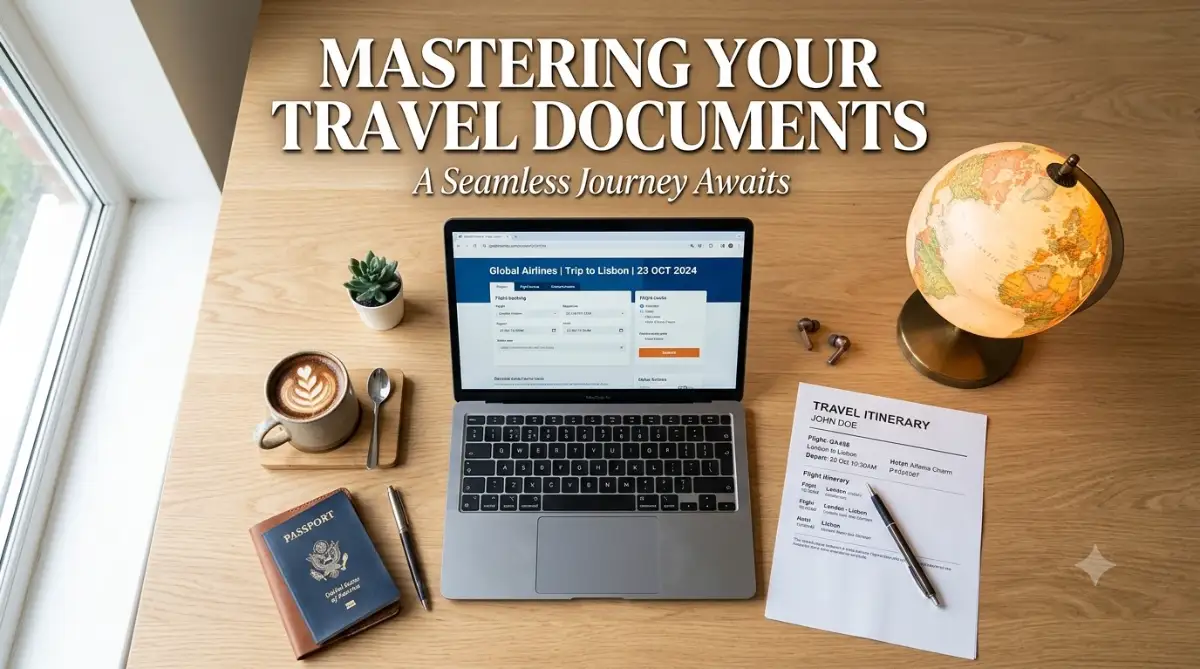
Heartbreaking Blunders That Ruin Vacations
Even with the best intentions, everyday travelers make silly mistakes that completely destroy their chances of getting approved. The saddest part is that most of these errors are entirely avoidable. People often let their excitement cloud their logical thinking when planning a trip.
One of the most dangerous traps is lying or hiding information about past travel experiences. Many applicants think that if they just "forget" to mention a previous visa rejection, the new embassy will not find out. This is a terrible idea that usually backfires instantly.
Countries share a massive amount of immigration data with each other. If an officer discovers you lied on your form, you will not just get rejected today. You risk getting permanently banned from entering that country entirely.
Honesty is truly your only defense. If you were rejected in the past, simply state it and briefly explain why the situation is different now. Showing growth and transparency is always better than getting caught in a childish lie.
Another massive pitfall is spending a fortune on non-refundable bookings before your passport is safely back in your hands. People get caught up in online flight sales and drop thousands of dollars hoping it will force the embassy to approve them. The embassy does not care about your non-refundable tickets; they only care about their border security rules.
This mistake leads to horrible financial losses and intense emotional distress. If you want to avoid losing your hard-earned money during the planning phase, you must learn exactly how to handle your reservations properly. You can easily master this by reading our upcoming guide on Critical Mistakes Travelers Often Make When Booking International Flights for the First Time.
Providing fake hotel reservations is another surprisingly common mistake. Some unethical travel agencies will sell you a "dummy" booking that automatically cancels after 24 hours. The problem is, officers often call the hotel directly to verify your stay.
If the hotel manager says they have no record of your name, your application goes straight into the trash bin. Always use trusted booking platforms that offer genuine "pay later" or fully refundable options. You can easily print the confirmation, present it safely, and cancel it legally if your plans change.
I have also seen travelers fail simply because they did not organize their paperwork properly. Handing an immigration officer a messy, unorganized stack of wrinkled papers is incredibly disrespectful. It shows a lack of care and makes their review process frustrating.
Take the time to buy a cheap presentation folder with clear sleeves. Label everything clearly with sticky notes. When you treat your application with high respect, the person reviewing it will treat you with respect as well.
Finally, never underestimate the importance of keeping your physical documents secure once you actually start preparing. Losing your primary identification right before a trip or during the application process is an absolute nightmare. Knowing how to react in a crisis is essential for any modern traveler.
If you ever find yourself in a terrifying situation where your papers go missing, you need a clear action plan. We cover exactly how to handle this exact nightmare in our upcoming post about Emergency Protocols to Follow if Your Passport or Legal Documents Are Lost in a Foreign Land.
You can also read up on official government advice regarding passport security and document fraud directly from the U.S. Department of State's Bureau of Consular Affairs. They provide excellent, universal safety tips that apply to travelers from any nation.
Your Final Action Plan for Exploring the World
Getting permission to visit a new country should never feel like an impossible mountain to climb. The entire system is built on logic, proof, and simple communication. When you strip away the fear and the rumors, you are just a regular person asking to spend a few weeks enjoying a new culture.
Start by giving yourself plenty of time. Do not rush to fill out forms the night before your submission date. Gather your financial records slowly, talk to your employer early about leave letters, and plan your daily itinerary with genuine care.
Treat your application as a professional presentation of your life. Every single document should point toward one simple truth: you are a responsible tourist who loves their home country enough to return. When your paperwork tells a clean, honest story, your chances of a happy outcome skyrocket.
I know exactly how stressful the waiting period can be. I used to stare at the tracking screen, letting anxiety ruin my days, until I finally realized that my preparation was solid. My best advice for you is to do the hard work upfront, submit your file with absolute confidence, and then start packing your bags. You have done everything right, and that beautiful visa sticker will be in your hands before you know it.
Common Questions About Managing Tourist Visas
How much money do I actually need in my bank account for approval?
There is no single magic number, as it depends entirely on your specific destination and the length of your trip. Generally, your balance should easily cover your flights, daily accommodation, meals, and an emergency fund. The most important factor is showing that this money was earned naturally over time, not deposited overnight.
Can I apply for a tourist visa if I am currently unemployed?
Yes, you can certainly apply, but you will need to provide stronger alternative evidence of your ties to your home country. You should submit property documents, a letter from a financial sponsor, or proof of enrollment if you are a student. The key is proving you have a solid reason to return home.
What should I do if my application gets rejected?
First, take a deep breath and carefully read the rejection letter, as it usually states the exact reason for denial. Do not immediately reapply with the exact same documents. Fix the specific issue they mentioned, gather stronger supporting evidence, and then submit a fresh application.
Do I need to hire an agency to fill out my forms?
No, hiring an agency is absolutely not a requirement for standard applications. Government portals are designed to be used directly by everyday travelers. Doing it yourself ensures that all your personal information is completely accurate and honest.
Is an interview required for every single destination?
Not at all. Many popular tourist destinations only require you to submit your paperwork and provide your fingerprints at a local collection center. Face-to-face interviews are usually reserved for specific countries with stricter border control policies.
How far in advance should I submit my paperwork?
It is generally a smart idea to submit your file about three to four weeks before your planned departure date. This gives the embassy plenty of time to process your request without you feeling rushed or anxious. However, always check the specific country's official website, as processing times vary heavily by season.
Disclaimer: The information provided in this article is for educational and informational purposes only and should not be considered legal or professional immigration advice. Visa rules and government regulations change frequently and vary heavily depending on your nationality and destination. Always verify the latest requirements directly through official embassy websites or consult with a certified immigration professional before making any financial travel commitments.
About the Author
Munira Parveen is a dedicated Digital Content Strategist and Lead Researcher with a passion for simplifying complex topics. From navigating personal finance and emerging tech trends to uncovering the best practical lifestyle solutions, she spends her time analyzing data to bring readers highly accurate, actionable, and easy-to-understand guides. Her ultimate goal is to empower everyday people to make smarter, more informed decisions in this fast-paced digital world.
![The Ultimate Recovery Blueprint for Lost Passports in a Foreign Land [Save Your Trip]](https://nirajournal.com/storage/uploads/blogs/1785387684_the-ultimate-recovery-blueprint-for-lost-passports-in-a-foreign-land-save-your-trip.webp)