The Moment the Earth Stood Still: My Travel Nightmare
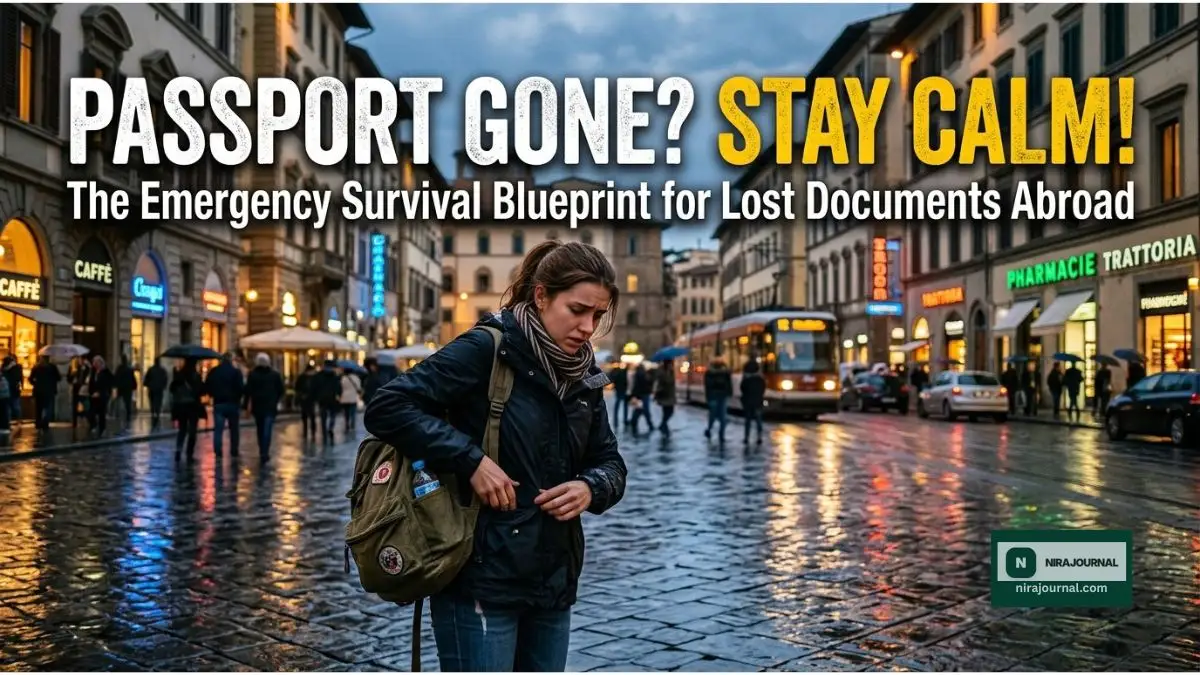
I remember standing in the middle of a crowded street in Rome, right near the Pantheon. I reached into my jacket pocket to grab my passport for a hotel check-in, and my heart just stopped. The pocket was empty. I checked again, then I checked my bag, and then I literally turned my backpack upside down on the sidewalk. My passport, my visa, and my secondary ID were all gone. I felt a cold sweat wash over me, and for a few minutes, I honestly thought I would never be allowed to leave Italy.
This is a fear that most travelers push to the back of their minds. We focus on the food, the sights, and the memories, but we rarely think about what happens when our legal identity disappears in a country where we are a guest. When you lose your passport, you don’t just lose a little blue book. You lose your right to move freely, your ability to board a plane, and sometimes, your sense of safety.
The panic that sets in is real and heavy. You start wondering if you’ll be arrested, how you’ll pay for things, or if you’ll be stuck in a foreign airport like a scene from a movie. It ruins your sleep, makes your stomach knot up, and turns a dream vacation into a living nightmare. I know that feeling of being "invisible" to the world because you have no papers to prove who you are.
But here is the good news: there is a way out. I survived that ordeal, and so can you. The world has systems in place for people exactly in your situation. You are not the first person to lose a passport, and you won’t be the last. If you follow a set of clear, calm steps, you can get a replacement and get back to enjoying your life. Let’s walk through the reality of how to handle this without losing your mind.
Take a Deep Breath and Secure Your Surroundings
The very first thing you need to do is stop. If you realize your passport is gone while you are in a public place, find a seat and breathe. Panic is your biggest enemy right now because it leads to bad decisions. I spent twenty minutes running back and forth on that Roman street before I realized I was just making myself more exhausted and confused.
Before you call anyone, check your immediate area one last time. Sometimes we "lose" things because we put them in a different pocket or left them at the cafe table we just sat at. If it’s truly gone, your priority shifts to safety. Make sure your other belongings—like your phone and your money—are secure. You don't want to lose those while you're distracted by the missing passport.
The First Official Step: Reporting to the Local Police
You might think the embassy is the first stop, but it is actually the local police station. You need a formal police report for two reasons. First, the embassy will often ask for this report before they issue an emergency document. Second, it protects you if someone tries to use your passport for identity theft.
When I went to the police station, I was worried about the language barrier. Most tourist areas have officers who speak some English, or they have forms specifically for tourists. Tell them exactly where you were and when you last saw your documents. Get a physical copy of that report with a stamp on it. This piece of paper is now your most valuable possession until you get a new passport.
Locating and Contacting Your Nearest Embassy
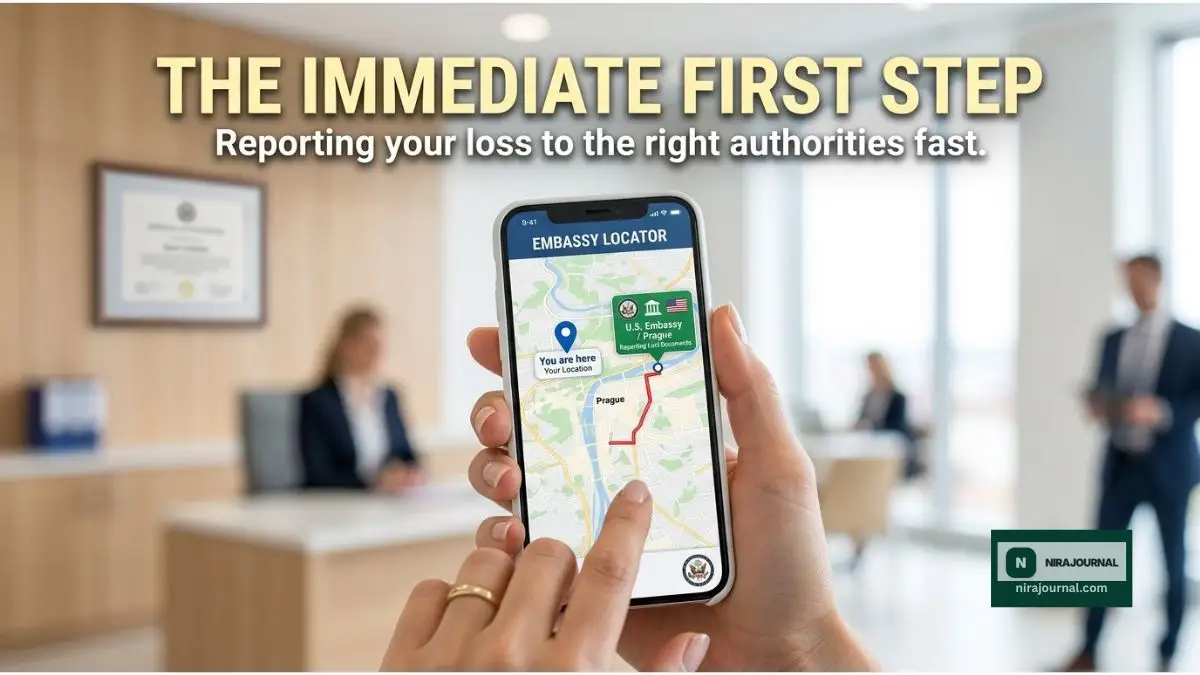
Now, it is time to get your government involved. You need to find the nearest embassy or consulate of your home country. This is where your recovery truly begins. You can usually find the address and phone number through a quick search on your phone. If you don't have internet access, go to a high-end hotel or a library and ask for help.
When you call them, tell them you have a "Travel Emergency." This usually gets you through to the right department faster than a general inquiry. They will give you a list of what you need to bring. Usually, this includes a few passport-sized photos, the police report, and any other ID you have left.
For more details on avoiding errors during your journey, you might want to check out my thoughts on First-Time Flyer? Do Not Make These Costly International Booking Errors to ensure your next trip goes smoother.
Gathering Your Digital Backups
This is where your pre-trip preparation pays off. I always keep digital copies of my passport and visa in my email and a cloud drive. If you did this, you can just go to a local print shop and get them on paper. Having a copy makes the embassy's job much easier because they can verify your identity in their system much faster.
If you don't have copies, you might need to have someone back home scan and email your birth certificate or other records. It’s a bit more work, but the embassy staff are experts at this. They will help you through the process of verifying who you are, even if you have nothing but the clothes on your back.
Understanding the Emergency Travel Document (ETD)
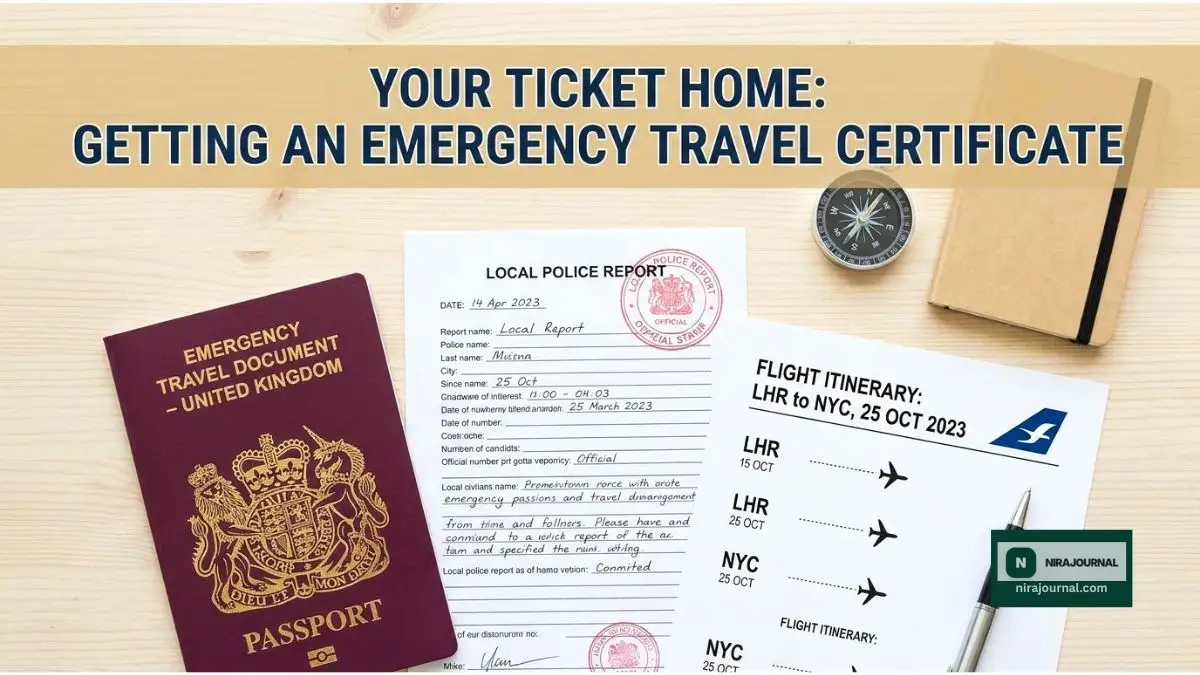
Most people think they will get a brand-new, 10-year passport at the embassy. In reality, if you are traveling soon, they will likely issue an Emergency Travel Document or a "Temporary Passport." This is often a single-sheet document or a thin book that is only valid for a very short time.
Its only purpose is to get you back home or to your next destination. It might not work for every country, so you have to be careful about your flight route. The staff will explain exactly where you can go with it. It’s not a permanent fix, but it’s the golden ticket that gets you through airport security.
Expert Advice for Your Safety
I once talked to a fellow traveler who lost their passport and tried to hide it from the airline. Don't do that. It is much better to be honest and show your police report early. Airlines are often quite helpful with rebooking if they see you are taking the right legal steps.
Before we move into the technical paperwork, you should see how the embassy process actually looks on the ground. This can help lower your anxiety significantly.
Watch this helpful guide on how embassies handle lost passports to see exactly what to expect when you walk through those doors.
Notifying Your Travel Insurance Provider
While you are waiting for the embassy to process your paperwork, you need to call your travel insurance company. Many people forget that a good insurance policy covers the cost of replacing lost documents. They might also cover the extra hotel nights or the cost of changing your flight.
I found that my insurance even helped me find a local lawyer when I thought my identity was compromised. It is worth looking into your policy details as soon as possible. If you are new to this, you should read The Ultimate Beginner’s Guide to International Travel Insurance Options to understand what kind of help you are entitled to during a crisis.
Protecting Your Identity from Theft
A lost passport is a goldmine for identity thieves. Your passport has your full name, date of birth, and passport number. Once you have reported it to the police and the embassy, that specific passport number is "flagged" in international databases like INTERPOL.
However, you should still keep an eye on your bank accounts and credit cards. If your wallet was stolen along with your passport, cancel your cards immediately. Even if only the passport is gone, it is a good idea to set up a fraud alert on your credit profile when you get home. It’s a simple step that saves you a lot of grief later on.
Dealing with Airline and Hotel Logistics
Now comes the part that requires a bit of patience: rescheduling your life. You probably missed a flight or a train while dealing with the police and the embassy. Most airlines have a "lost document" policy. If you show them your police report and your new emergency document, they might waive the change fees for your flight.
Hotels are usually very understanding too. In many countries, hotels are legally required to record your passport info. If you don't have one, show them the police report. They have seen this happen before and will usually let you stay as long as you show you are working with the embassy.
The Scientific Side: Why We Lose Things Under Stress
There is a biological reason why we tend to lose things more often when we are in a new environment. According to research on cognitive load, our brains are so busy processing new sights, sounds, and languages that we lose track of "automatic" tasks, like checking if our bag is zipped. This is a recognized phenomenon in travel psychology.
When you are in a foreign land, your brain is in "overdrive." This is why it is so important to have a dedicated spot for your documents. I call it my "Sacred Pocket." If the passport isn't in my hand, it is in that specific zippered pocket inside my bag. Never put it anywhere else.
What Happens if You Are in a Country Without Your Embassy?
This is a rare but scary scenario. Sometimes, your home country might not have an official embassy in the nation you are visiting. In these cases, there are usually "protecting powers" or agreements with other friendly nations. For example, EU citizens can often go to any other EU member state's embassy for help if theirs isn't available.
The local authorities or a large international hotel can usually tell you which embassy handles your country's affairs. It might involve a bit more travel to a neighboring city, but you will still be able to get help. No one is truly "stateless" in the modern travel world.
The Cost of Losing Your Identity
Be prepared to pay. Replacing a passport isn't free, even in an emergency. Embassies usually charge a fee for the emergency document and the photos. In Rome, I had to pay around $150 USD for the temporary papers. Most embassies accept credit cards, but some might only take local currency.
Always keep a small amount of "emergency cash" hidden somewhere separate from your wallet—like in a hidden belt or a different bag. This cash can be a lifesaver when you need to pay for photos or a taxi to the embassy and your cards are locked.
Moving Forward: Preparing for the Replacement Process
Once you have your emergency document, you aren't quite done. When you get back to your home country, you will have to apply for a full-size, permanent passport again. The emergency one is usually taken from you at the airport or has to be mailed back to the passport office.
It feels like a lot of paperwork, but remember that you are currently in the "survival" phase. You have done the hard work of reporting the loss, visiting the embassy, and securing your identity. You are no longer a "person without a country." You are a traveler with a plan.
Mastering the Art of Travel Recovery: Moving Beyond the Initial Shock
Now that we have covered the immediate "fire-fighting" steps, it is time to look at the smarter, more advanced ways to handle this mess. I have seen many people get their emergency papers and then just sit in their hotel room, too afraid to move. But you have a trip to finish, or at least a journey home to complete with dignity.
One of the most powerful tools you have is the digital backup strategy, but I’m not just talking about a simple photo on your phone. I learned this the hard way after a phone theft in Paris. You need a "layered" system. Keep one copy in your email, one in a secure cloud folder like Dropbox, and one encrypted on a tiny USB stick hidden in your luggage.
Another pro-level secret is to always carry a few spare passport-sized photos in a separate bag. I can't tell you how much time this saves at the embassy. Instead of hunting for a photo booth in a city where you don't speak the language, you can just hand them over. It makes you look prepared, and embassy staff often move faster for people who have their act together.
I also recommend keeping a list of local emergency numbers written on an actual piece of paper. We rely so much on our phones, but what if your phone dies or gets stolen along with your bag? Having the address of your embassy written down in the local language can help a taxi driver get you there even if your GPS is gone.
If you are worried about moving around a new city while feeling vulnerable, you should read my guide on Solo Travel Safety: How to Navigate Unfamiliar Global Cities Without Fear. It will give you the confidence to keep going even when things feel uncertain. Learning how to blend in is a huge part of staying safe after a loss.
Building Your Long-Term Travel Safety Net
Think of your travel documents like your house keys. You don't just need them to get in; you need them to feel secure. After you get your emergency travel document, you might feel like the danger is over, but there is more to do. You need to make sure this incident doesn't haunt your future travels.
When you get home, the very first thing you should do is apply for a full replacement. Do not wait. Sometimes, the record of a lost passport can cause small delays at borders for a few months. Having your new, permanent document ready shows that you have followed all the legal steps to "reset" your identity.
I also suggest keeping a dedicated "Travel Emergency Kit" at home that a family member can access. This kit should have copies of your birth certificate, your previous passport's scan, and your insurance policy. If everything goes wrong abroad, you can make one phone call home, and your family can email these documents to the embassy for you.
According to the U.S. Department of State - Bureau of Consular Affairs, reporting your passport lost or stolen immediately is the best way to prevent someone else from using your identity. They track these numbers globally to keep everyone safer. Taking this step seriously is part of being a responsible global citizen.
Dangerous Traps and Mistakes That Can Ruin Everything
I have seen travelers make some pretty big mistakes when they lose their papers. The biggest one is waiting too long to report the loss. Some people think they will find it if they wait "one more day." But every hour you wait is an hour a thief has to use your information.
Another huge mistake is getting angry with embassy staff. I know you are stressed. I know you are tired. But the person behind that glass window is the only person who can help you get home. If you are rude or loud, they will still help you, but they might not go the extra mile to speed things up.
I once saw a man at a consulate shouting about how he pays taxes and demands service. It didn't make the printer work any faster. In fact, it just made the security guards watch him more closely. Stay calm, be polite, and remember that they deal with dozens of people in your exact situation every single week.
Another trap is buying a new plane ticket before you have the papers in your hand. You might think you'll have your emergency passport by Thursday, so you book a Friday morning flight. But what if the embassy's system goes down? Or what if there is a local holiday you didn't know about? Always get the document first, then book the flight.
If you are planning your next trip and want to avoid more paperwork headaches, take a look at The Ultimate Blueprint for a Stress-Free International Tourist Visa Application. It helps you get the "boring stuff" right so you can focus on the fun parts of traveling. Being organized is the best way to avoid the panic I felt in Rome.
Why Keeping Your "Cool" is Your Best Survival Tool
When I lost my bag, my first instinct was to blame everyone around me. I felt like the city was out to get me. But that mindset makes you make mistakes. You start looking for shortcuts, or you trust people you shouldn't trust.
I remember a guy offered to "help" me get a fast-track passport for a fee near the police station. This is a common scam. Only the official embassy can give you travel papers. Anyone else promising a quick fix is just trying to take what little money you have left.
Trust the official channels. Even if they seem slow, they are the only ones that are legal. If you try to use a "fake" or "expedited" document from a street vendor, you could end up in much worse trouble with border police. It isn't worth the risk of being banned from a country forever.
Turning a Crisis into a Lesson for the Future
It sounds strange, but losing my passport actually made me a better traveler. It forced me to slow down and really look at how the world works. I learned how to talk to local police. I learned where the embassies are. Most importantly, I learned that I am stronger than a piece of paper.
You are more than your passport. Yes, it is a big problem, but it is a solvable one. Once you get through this, you will have a story that not many people have. You will be the person who knows what to do when things go wrong. That kind of "travel street smarts" is something you can't buy.
According to a study on International Travel Resilience by the World Travel & Tourism Council, travelers who experience and overcome a crisis are more likely to continue exploring the world with more confidence. They don't stop traveling; they just travel smarter. You are now part of that group of resilient explorers.
Your New Path to a Successful Journey
You have all the information you need now. You know how to talk to the police, how to handle the embassy, and how to avoid the common traps that catch others. The road ahead might have a little more paperwork than you wanted, but the destination is still there waiting for you.
Don't let this one bad day define your entire trip. Once the papers are filed and the embassy is working on your case, go out and have a nice meal. Walk through a park. Remind yourself why you left home in the first place. The world is still beautiful, even if you are currently "temporary" in the eyes of the law.
I truly believe that how we handle our worst days defines our best ones. I’ve been in your shoes, feeling lost and invisible. But I promise you, by following these steps, you will be back on a plane and heading toward your next adventure before you know it. Take it one step at a time, keep your head up, and remember that this is just one chapter in your big book of travel.
Common Questions About Lost Travel Documents
What should I do if my passport is lost on a weekend or holiday?
Most embassies have an "after-hours" emergency duty officer. Check their official website for an emergency contact number specifically for life-and-death situations or urgent travel. While they might not issue a passport at 2 AM on a Sunday, they can tell you exactly where to go first thing on Monday morning.
Can I travel to other countries with an Emergency Travel Document?
Usually, an emergency document is only for going back home or to your country of residence. Some countries might allow you to pass through for a layover, but you should not try to start a new vacation with one. Always check with the airline and the embassy of the next country you plan to visit.
How much does it cost to get an emergency replacement?
The fees vary by country, but you should expect to pay roughly the same as a standard passport application, sometimes with an added "emergency" fee. It usually ranges between $100 and $200 USD. Make sure you have a way to pay this, as most embassies do not accept personal checks.
Will losing my passport make it harder to get visas in the future?
As long as you report it properly and get the official police and embassy documents, it should not be a problem. It is a common occurrence. Just be honest on future visa forms when they ask if you have ever lost a travel document. Providing the old police report number shows you were responsible.
Should I cancel my flight right away?
Not necessarily. Talk to the embassy first to see how long the replacement will take. If they can get it to you in 24 hours, you might not need to change your flight. Once you have a clear timeline from the consulate, then call the airline to make any necessary changes.
I really hope this guide helps you feel a bit more in control during a very stressful time. I have been through this exact nightmare, and I know how much it hurts to feel stranded. Just take a deep breath, follow the steps I shared, and you will be home and safe before you know it!
Disclaimer: This guide is for informational purposes only and does not constitute legal advice. Passport laws and embassy procedures can change without notice. Always check with your local government's official travel website and the nearest consulate for the most up-to-date and specific instructions for your situation. We are not responsible for any issues arising from the use of this information.
About the Author
Munira Parveen is a dedicated Digital Content Strategist and Lead Researcher with a passion for simplifying complex topics. From navigating personal finance and emerging tech trends to uncovering the best practical lifestyle solutions, she spends her time analyzing data to bring readers highly accurate, actionable, and easy-to-understand guides. Her ultimate goal is to empower everyday people to make smarter, more informed decisions in this fast-paced digital world.