
Confessions of a First-Time Flyer: How I Almost Ruined My Dream Trip
I remember staring at my laptop screen at 2 AM, completely frozen in panic and covered in a cold sweat. My heart was pounding out of my chest as I tried to book my very first trip across the ocean. I had saved up my money for months, working extra shifts just to make this dream vacation happen. But the endless flight options, weird airline names, and ticking countdown timers made me feel completely lost and overwhelmed. I finally panicked, clicked a "buy" button, and went to bed thinking I had scored a great deal.
The next morning, I realized I had booked a ticket with a brutal 14-hour layover in a city I knew absolutely nothing about. Even worse, I later found out that my basic ticket did not even include a checked bag for my heavy winter clothes. It was a massive mistake that cost me a huge chunk of my hard-earned money to fix. My peace of mind vanished completely before I even started packing my bags for the trip.
So many ordinary people face this exact same nightmare every single day when planning their trips. You spend hours hunting for the perfect ticket, only to feel crushed by unexpected fees and confusing airline policies. The stress of getting it wrong can completely ruin the excitement of your upcoming vacation. Instead of dreaming about the beautiful places you will see, you lie awake worrying if you just threw your money down the drain.
This constant worry steals your mental peace and turns trip planning into an absolute headache. Families often end up arguing over which airline to pick, while solo travelers panic about choosing the wrong arrival airport. You might wonder if you are paying too much, or if you accidentally selected the wrong travel dates. It feels like a giant trap waiting to snap shut on your wallet the moment you let your guard down.
First-time travelers often feel like the airline industry is designed to trick them into spending more cash. The fear of showing up at the airport and being turned away because of a silly typo on your ticket is terrifying. The mental burden is exhausting, making you question if traveling abroad is even worth all this hassle. But you do not have to feel this way, and you do not have to repeat the mistakes that so many beginners make.
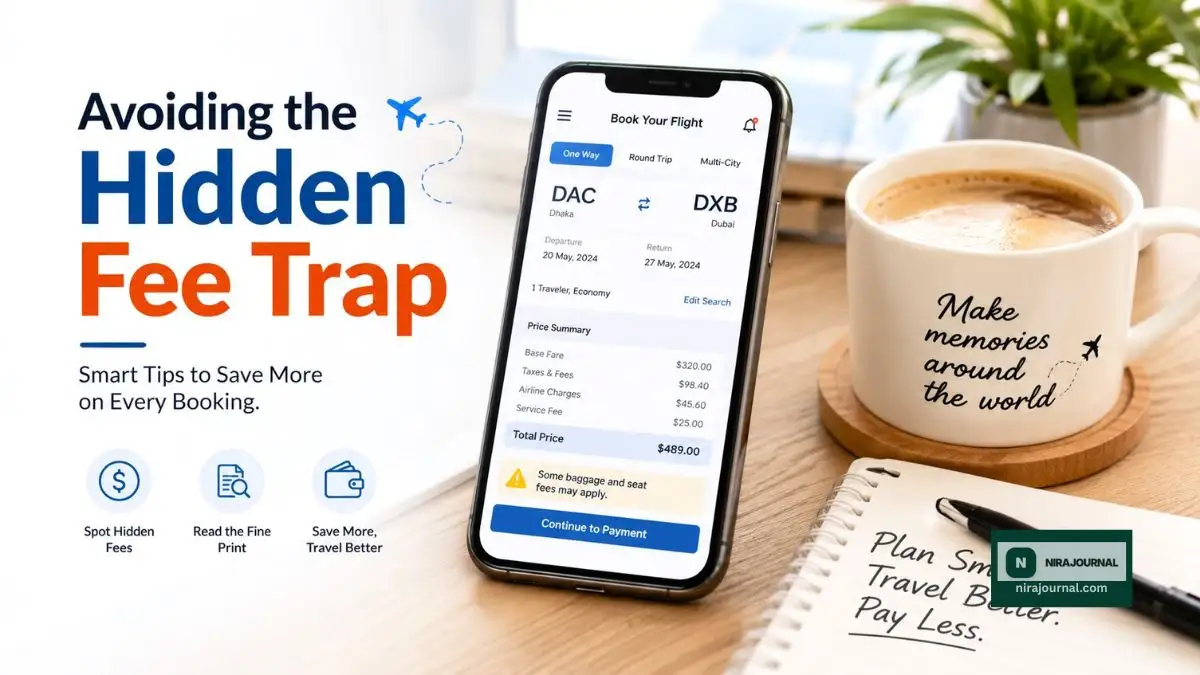
Escaping the Booking Trap: Your Friendly Guide to Smart Flying
Let us break down exactly how you can avoid these stressful situations and keep your money safe. Booking a flight across the world does not require a special degree or insider industry secrets. It just takes a little bit of patience and knowing exactly what traps to look out for before you hand over your credit card. We are going to look at some real-life scenarios that show you exactly how to navigate this process like a seasoned pro.
One of the most common misunderstandings in aviation is the difference between a direct flight and a non-stop flight. Many beginners think these two terms mean the exact same thing, but they absolutely do not. A non-stop flight means the airplane takes off from your home city and lands exactly at your final destination without stopping anywhere. It is the fastest and easiest way to travel, though it usually costs a bit more money.
A direct flight, on the other hand, is like riding a bus that makes a stop along the way. The airplane might land in another city to pick up more passengers or get extra fuel. You usually stay on the same plane, but your total travel time gets a lot longer. If you do not read the fine print, you might end up sitting on an airplane for an extra two hours while cleaners walk down the aisles.
The Dangerous Self-Transfer Trap
Another huge error beginners make involves booking separate tickets on different airlines to save a few dollars. Sometimes, search engines will bundle two completely different airlines together to give you the cheapest possible price. For example, you might fly from your home to London on one airline, and then from London to Rome on a budget airline. This is called a self-transfer, and it is incredibly risky for anyone new to global travel.
If your first flight is delayed and you miss your second flight, the airlines will not help you at all. Because they are separate companies on separate tickets, they have no obligation to put you on a new plane for free. You will have to buy a brand new, wildly expensive ticket on the spot just to reach your final destination.
When you book a single ticket directly with one airline, you are protected from these delays. If a delay causes you to miss a connection, the airline must book you on the next available flight at zero extra cost. The peace of mind this provides is worth far more than the twenty dollars you might save by using a risky self-transfer trick.
Pro Tip: I always double-check my departure airport code before finalizing any booking on my computer. I once booked a flight to San Jose, Costa Rica (SJO) when I actually wanted to go to San Jose, California (SJC), and fixing that mistake cost me a fortune!
Cracking the Code on Baggage Allowances
A cheap ticket can quickly turn into a massive expense if you do not pay close attention to the baggage rules. Budget airlines are famous for offering incredibly low ticket prices, only to charge you heavily for everything else. You might think you scored an amazing deal, only to find out you have to pay fifty dollars just to bring a carry-on bag aboard.
Legacy carriers, which are the older and more traditional airlines, often include a free checked bag and a meal in their base price. When you compare a budget airline with a legacy carrier, always add the cost of your bags to the budget ticket first. Sometimes, the expensive ticket is actually the cheaper option once all the hidden fees are calculated.
Watch this quick video below to see exactly how to spot hidden flight fees before you enter your credit card details.
Never assume that your international ticket automatically includes heavy checked luggage. Always read the baggage policy clearly shown on the final checkout screen before you click the purchase button. If you know you are going to check a bag, it is always cheaper to pay for it online right now rather than at the airport counter later.
Myth vs Reality: The Incognito Window
Myth: Searching for flights in a private browsing window will magically give you cheaper ticket prices because airlines cannot track your cookies.
Reality: Flight prices change based on actual supply and demand, not because the airline is secretly watching your specific computer screen.
Many people stress themselves out by constantly clearing their browser history and switching devices to find a better price. While it is good practice to protect your privacy, airlines use complex computer algorithms to sell seats. If a flight is filling up quickly, the price goes up naturally because there are fewer seats left to sell.
Instead of worrying about browser cookies, focus your energy on finding the right days to fly. Flying in the middle of the week, like on a Tuesday or Wednesday, is generally cheaper than flying on a busy Friday or Sunday. The real secret to saving money is flexibility with your travel dates, not hiding your internet browser history.
Understanding Your 24-Hour Safety Net
One of the most comforting facts for any traveler is knowing you have a tiny window to fix a huge mistake. Many people do not realize that there is a legal rule protecting consumers from immediate booking errors. For example, if you book a ticket that touches United States soil, you are protected by the U.S. Department of Transportation's 24-hour rule for full refunds.
This rule means that if you book your ticket directly with the airline, you have 24 hours to cancel it completely penalty-free. Even if you bought a strictly non-refundable ticket, you can still get your cash back if you cancel within that first day. This is an absolute lifesaver if you accidentally spell your name wrong or select the wrong month for your trip.
However, this rule often only applies if you buy directly from the airline's official website. If you buy your ticket through an online travel agency or a third-party discount app, getting a refund becomes incredibly difficult. They will often point to their own strict rules and refuse to help you out of your messy situation. This is why booking directly with the actual airline is always the smartest choice for a beginner.
The Passport Name Game Guarantee
Your flight ticket must exactly match the name printed on your government passport. This sounds like simple advice, but it is one of the most common reasons people get denied boarding at the airport. A small typo, or using a nickname instead of your legal first name, can completely destroy your travel plans.
If your legal name is Robert but you book your ticket as Bob, the security agents will not let you pass. You do not always need to include your middle name, but your first and last names must be absolutely perfect. If you get married and change your last name, make sure your passport is updated before you book your ticket under your new name.
Nailing the Perfect Layover Strategy
Picking the right layover time is a balancing act that many new flyers get completely wrong. A layover is the time you spend waiting in an airport between your connecting flights. If you book a layover that is only forty-five minutes long, you are setting yourself up for massive amounts of stress.
International airports are huge, and you often have to go through a security checkpoint again before you can reach your next gate. If your first flight is delayed by even twenty minutes, you will be sprinting through the terminal in a total panic. It is highly likely you will miss your connection, and even if you make it, your checked bags probably will not.
On the other hand, booking a twelve-hour overnight layover to save thirty dollars is a terrible trade for your physical comfort. You will end up spending more money on airport food and coffee than you actually saved on the ticket price. A smart traveler aims for a sweet spot of about two and a half to three hours for an international connection.
This gives you plenty of time to grab a snack, use the restroom, and casually walk to your new departure gate. If you are worried about the unexpected things that can happen during transit, we have a helpful guide coming up soon. You can read more about keeping yourself secure in our upcoming post about The Ultimate Beginner’s Guide to International Travel Insurance Options. Being prepared for flight delays with the right coverage is just common sense.
Handling Time Zones and Arrival Days
Flying across the globe means you are going to cross multiple time zones, which easily confuses people during the booking process. Your ticket will always show the departure time in the local time of your starting city. It will also show the arrival time in the local time of your final destination.
Because of the time difference and the actual hours spent flying, you might leave on a Monday but arrive on a Wednesday. Pay very close attention to the little "+1" or "+2" symbols written next to your arrival time on the screen. These tiny symbols mean you are arriving one or two days after your initial departure date.
If you ignore these symbols, you might book a hotel room for the wrong night and show up with nowhere to sleep. I highly recommend drawing a simple calendar on a piece of paper to physically track your travel days. This visual trick prevents you from making costly accommodation mistakes when you land.
If you are a bit nervous about arriving in a brand new place on the wrong day, you are completely normal. For those heading out on their own, be sure to check out our advice on Solo Travel Safety: How to Navigate Unfamiliar Global Cities Without Fear. It will help you build total confidence from the moment you step out of the airport doors.
Dealing with Foreign Currency at Checkout
Sometimes you might find an amazing flight deal offered by a foreign airline priced in a different currency. The number looks incredibly small, but you must remember to calculate the actual exchange rate. Your credit card company might also hit you with a foreign transaction fee just for buying something in a different currency.
These extra bank fees can quickly eat up any savings you thought you were getting on the airfare. Before you book a foreign flight, check to see if your credit card waves foreign transaction fees as a perk. Many good travel cards offer this benefit, and it can save you a significant amount of money over time.
You should also read up on basic passenger rights provided by global aviation authorities. Organizations like the International Air Transport Association (IATA) guidelines offer great information on what you are owed if things go wrong. Knowing your rights makes you a confident traveler who cannot be taken advantage of by a greedy airline.
By paying attention to these simple details, you completely remove the fear from buying your tickets. You can sit back with a cup of coffee, look at the screen, and know exactly what you are paying for. You will arrive at the airport feeling relaxed, excited, and completely ready for the adventure of a lifetime. Traveling is meant to be a joyful experience, and booking your ticket is just the very first step of that wonderful journey.
Mastering the Art of Global Air Travel
Once you understand the basic rules of buying tickets, you can start using clever strategies that most beginners completely ignore. These smart habits will not only save you money but also make your entire journey infinitely more comfortable. Think of these strategies as your personal toolkit for outsmarting the complicated airline industry. You are no longer just guessing; you are making calculated decisions that protect your wallet.
If you plan to travel across the world regularly, you need to think about your long-term comfort and savings. It is incredibly satisfying when you finally realize that flying does not have to be a miserable, exhausting experience. By applying a few advanced tricks, you can turn a stressful twelve-hour journey into a smooth and relaxing ride. Let us look at some highly effective ways to upgrade your booking skills right now.
The Magic of Multi-City Ticketing
Many new flyers assume they must always book a simple round-trip ticket, flying in and out of the exact same airport. This is a massive misconception that forces people to waste precious time backtracking across foreign countries. Instead, you should explore the beauty of a multi-city ticket, also known in the aviation world as an "open-jaw" flight.
Imagine you want to take a dream vacation to Europe. You could fly into Paris, travel down to Italy by train, and then fly back home directly from Rome. A multi-city ticket allows you to build this custom route under one single booking reservation. You completely eliminate the expensive and exhausting need to travel back to Paris just to catch your flight home.
Most official airline websites have a simple button labeled "Multi-City" right next to the standard round-trip option. Playing around with this search tool can sometimes reveal flight prices that are actually cheaper than standard return tickets. It gives you absolute freedom to plan your trip around what you want to see, rather than where the airplane forces you to be.
Turning Long Layovers Into Free Mini-Vacations
Instead of dreading a long wait at the airport, smart travelers actually use these stops to see a brand new country for free. Several major international airlines offer brilliant stopover programs specifically designed to boost their local tourism. This means you can intentionally book a layover lasting a few days without paying any extra money for the airfare.
For example, if you are flying between the United States and Europe, you might connect through Iceland or Portugal. The airlines native to those countries will let you step out of the airport and explore their cities for up to a week. Some of these programs are so generous that they even offer heavily discounted hotel rooms for your short stay.
This is literally a free opportunity to cross another beautiful destination off your bucket list. You get two vacations for the price of one single flight ticket. All it takes is a little bit of research on the airline's official website to see if a stopover program is available for your route.
Decoding the Mystery of Fare Classes
When you look at a search results page, you are usually seeing the absolute lowest price available, often called "Basic Economy." While that small number looks incredibly tempting, buying it for a long-haul international flight is usually a terrible idea. This specific fare class is designed to strip away every single comfort and convenience you can imagine.
With a basic ticket, you are strictly forbidden from choosing your own seat in advance. You will most likely end up wedged in a middle seat near the noisy bathrooms for fourteen hours straight. On top of that, these tickets are usually strictly non-refundable and cannot be changed under any circumstances.
Upgrading to the "Main Cabin" or standard economy fare usually costs a bit more upfront, but the benefits are massive. You instantly gain the ability to select a comfortable aisle or window seat, and your ticket becomes much more flexible. If your plans suddenly change, you can often rebook your flight without losing every single penny you spent.
Building Loyalty Without Flying First Class
You absolutely do not need to be a wealthy business traveler to benefit from airline frequent flyer programs. Every single time you book an international ticket, you should be attaching a frequent flyer account number to your reservation. Joining these loyalty programs is completely free, and it only takes two minutes to fill out the form online.
The global aviation network is mostly controlled by three massive alliances: Star Alliance, Oneworld, and SkyTeam. If you consistently try to book your flights within one specific alliance, your travel miles will pile up surprisingly fast. Over time, these collected points can be used to pay for future flights, saving you thousands of dollars.
Even better, having a frequent flyer number attached to your booking gives you a tiny bit of priority in the airline's computer system. If a flight gets canceled and passengers are scrambling for rebooking, the airline often helps their registered members first. It is a completely free safety net that offers incredible long-term rewards for everyday travelers.
To ensure you never run into bureaucratic walls when crossing borders, you should always check official government travel advisories. Consulting a trusted source like the U.S. Department of State Travel site keeps you updated on exact safety conditions and entry requirements. This kind of deep preparation is what separates a panicked tourist from a calm, educated explorer.
Understanding these advanced concepts might feel like learning a new language at first. However, once you book your first perfectly optimized trip, you will never want to go back to your old habits. The feeling of walking past a stressed-out crowd at the airport, knowing you outsmarted the system, is absolutely priceless.

Heartbreaking Ticketing Blunders You Must Not Make
Even if you know all the best booking strategies, one simple oversight can completely shatter your travel dreams. The airport is a highly regulated environment, and security agents show zero mercy if your paperwork is wrong. I have seen grown adults burst into tears at the check-in counter because of a completely avoidable booking error.
The emotional toll of being denied boarding is heavy, especially when you realize it was entirely your own fault. You instantly lose the money you spent on the flight, your hotel reservations, and any planned activities. To make sure you never experience this soul-crushing disappointment, we need to highlight the most dangerous traps people fall into.
The Six-Month Passport Rule Disaster
This is arguably the most common and devastating mistake made by first-time international travelers. You look at your passport, see that it expires in three months, and assume you are perfectly fine to fly today. You pack your bags, head to the airport, and the airline agent flat-out refuses to print your boarding pass.
Most countries around the world enforce a strict law requiring your passport to be valid for at least six months beyond your planned date of departure. They do this to ensure you will not become stranded in their country with an expired legal document. If your passport does not meet this six-month requirement, the airline gets heavily fined for letting you fly, so they simply will not allow it.
Before you even start looking at flight prices, you must open your passport and mathematically check the expiration date. If you are anywhere near that six-month window, you need to halt your trip planning and renew your passport immediately. For official guidance on this, reviewing international entry rules on the UK Government's Foreign Travel Advice page is an excellent way to understand how strict these borders can be.
The Silent Threat of Transit Visas
Imagine flying from New York to India, with a short two-hour layover in London. You have no intention of leaving the London airport, so you assume you only need a visa for India. This assumption can destroy your trip, as many countries require a specific "transit visa" just to sit inside their airport terminals.
If you book a route through a country that requires a transit visa, and you do not have one, you will not be allowed on the first airplane. The check-in agent will look at your final destination, check the layover rules, and immediately stop you from proceeding. It is a shocking and painful way to discover that global immigration laws are wildly complicated.
Always check the visa requirements for every single country your airplane touches, even if it is just stopping for fuel. Navigating these legal requirements is tough, which is why we highly recommend reading our upcoming guide on The Ultimate Blueprint for a Stress-Free International Tourist Visa Application. It will break down exactly how to secure all your legal paperwork without pulling your hair out.
The Third-Party Booking Nightmare
We all love hunting for a bargain on popular travel deal websites and flashy mobile apps. These third-party Online Travel Agencies (OTAs) often display prices that are noticeably cheaper than the airline's official website. But buying your international ticket through an unauthorized middleman is an incredibly dangerous gamble.
If your flight is delayed, canceled, or if a global weather event shuts down the airport, you are entirely on your own. The airline counter staff will tell you they cannot touch your ticket because you bought it through a third party. When you call the discount website's customer service, you will likely be placed on hold for hours and eventually disconnected.
You become trapped in a miserable loop where the airline blames the website, and the website blames the airline. Meanwhile, you are sleeping on the cold airport floor, desperately trying to buy a new ticket home with your own cash. Paying a few extra dollars to book directly on the airline's website is the best travel insurance you can possibly buy.
Ignoring Your Digital and Physical Security
In the rush of preparing for a long flight, people often forget to back up their most important travel documents. They rely completely on their smartphone battery to show their boarding pass, hotel confirmation, and digital visa. If your phone battery dies or the screen shatters during transit, you suddenly have no proof of your travel plans.
Always print physical paper copies of your itinerary, your return flight ticket, and your passport information page. Keep one set of papers in your carry-on bag and another set tucked away safely in your checked luggage. If you happen to run into extreme bad luck on the road, knowing exactly what to do next is highly important.
That is why you should definitely keep an eye out for our specialized guide focusing on Emergency Protocols to Follow if Your Passport or Legal Documents Are Lost in a Foreign Land. Knowing how to handle a worst-case scenario will actually make you feel much more relaxed during your everyday travels.
By aggressively avoiding these massive pitfalls, you instantly place yourself ahead of ninety percent of new travelers. You will walk into the airport with your paperwork organized, your restrictions checked, and your confidence shining through. Travel should be about experiencing new cultures and eating amazing food, not crying at a customer service desk.
Your Personal Flight Plan for Future Adventures
Now that you know exactly what traps to avoid and which smart strategies to apply, you are entirely in control of your journey. You no longer have to blindly trust confusing computer algorithms or rely on outdated advice from friends who rarely travel. You possess the actual knowledge needed to book your flights safely, securely, and smartly every single time.
Start by always prioritizing direct bookings, double-checking your name spelling, and understanding your basic fare rules. Take your time to review the baggage policies slowly, and never let a ticking countdown timer force you into a panicked purchase. Keep your printed documents handy, respect the six-month passport rule, and watch those frequent flyer miles slowly add up.
My biggest hope is that this guide removes the fear from your travel planning and replaces it with pure excitement. I wasted so much time and money figuring these things out the hard way, and seeing others travel smoothly truly makes me happy. Take a deep breath, trust your new knowledge, and go book that incredible adventure you have been dreaming about!
Common Doubts About Booking Global Flights
Do I really need to print my boarding pass for overseas trips?
While mobile boarding passes are highly popular, keeping a printed paper copy is always the safest option for international trips. Border control agents in some foreign countries strictly require a physical piece of paper to stamp before letting you through security. Having a paper backup also completely saves you if your phone battery randomly dies at the airport.
When is the absolute best day to buy an international ticket?
There is no magical day of the week to buy tickets, despite what old internet myths claim. Prices constantly shift based on how many seats are left and how close the departure date is getting. Your best strategy is to set up a digital price tracker about three months before your trip and buy when the price drops to your budget.
What actually happens if I miss my connecting flight?
If you booked a single ticket directly with the airline, they will automatically place you on the next available flight for free. However, if you booked two separate tickets on different airlines, you are completely responsible for the mess. You will have to use your own money to buy a brand new ticket at the airport counter.
Can I pack my own food and snacks in my carry-on bag?
Yes, you can absolutely bring solid foods like sandwiches, crackers, and granola bars through airport security. However, you must avoid any liquids or spreadable foods like peanut butter, yogurt, or large soups. Bringing your own snacks is a fantastic way to save cash and avoid eating highly processed airplane meals.
Does clearing my browser history actually lower flight prices?
No, clearing your computer cookies or using a private browsing window will not magically lower the cost of a flight. Airlines use sophisticated inventory systems to price their seats based on actual supply and demand. Stop worrying about your browser history and start focusing on having flexible travel dates instead.
Disclaimer: The information provided in this article is for educational and informational purposes only. Airline policies, passport regulations, and visa requirements can change frequently and without prior notice. Always verify your specific travel requirements with official government portals and your chosen airline before making any financial commitments or travel arrangements.
About the Author
Munira Parveen is a dedicated Digital Content Strategist and Lead Researcher with a passion for simplifying complex topics. From navigating personal finance and emerging tech trends to uncovering the best practical lifestyle solutions, she spends her time analyzing data to bring readers highly accurate, actionable, and easy-to-understand guides. Her ultimate goal is to empower everyday people to make smarter, more informed decisions in this fast-paced digital world.
![The Ultimate Recovery Blueprint for Lost Passports in a Foreign Land [Save Your Trip]](https://nirajournal.com/storage/uploads/blogs/1785387684_the-ultimate-recovery-blueprint-for-lost-passports-in-a-foreign-land-save-your-trip.webp)