
The Silence After the "Submit" Button: Why the Wait Feels So Long
I remember the exact moment I hit "Submit" on my first mortgage application—my palms were actually sweating. For the next two weeks, I jumped at every email notification, convinced a single typo had ruined my chances of buying a home. The waiting felt like pure torture because I had no idea what the bank was really doing behind closed doors.
Imagine this. You have spent hours gathering documents. You have scanned your bank statements, verified your tax returns, and finally clicked that big "Submit" button on a loan application. Then, everything goes quiet. Your phone doesn't ring. Your inbox stays empty. For many, this waiting period is filled with anxiety. You start to wonder: What are they looking at? Is my credit score good enough? Did I make a mistake on page four?
I have talked to so many people who feel like the loan evaluation process is a black box. It feels like your financial future is being decided by a secret society. This uncertainty can keep you up at night. You might need that money for a new home, a car, or to consolidate debt. When you don't understand the "how" and "why" behind the scenes, the stress doubles. It feels like you are being judged, and in a way, you are. But it isn't personal; it is purely mathematical.
The truth is, lenders aren't trying to be mysterious. They follow a very specific set of rules to protect their money. They want to make sure that if they give you a dollar today, you can give it back plus interest later. This process is a mix of high-tech algorithms and old-school human judgment. By learning what happens behind the curtains, you can take control of your financial narrative. You can stop guessing and start preparing.
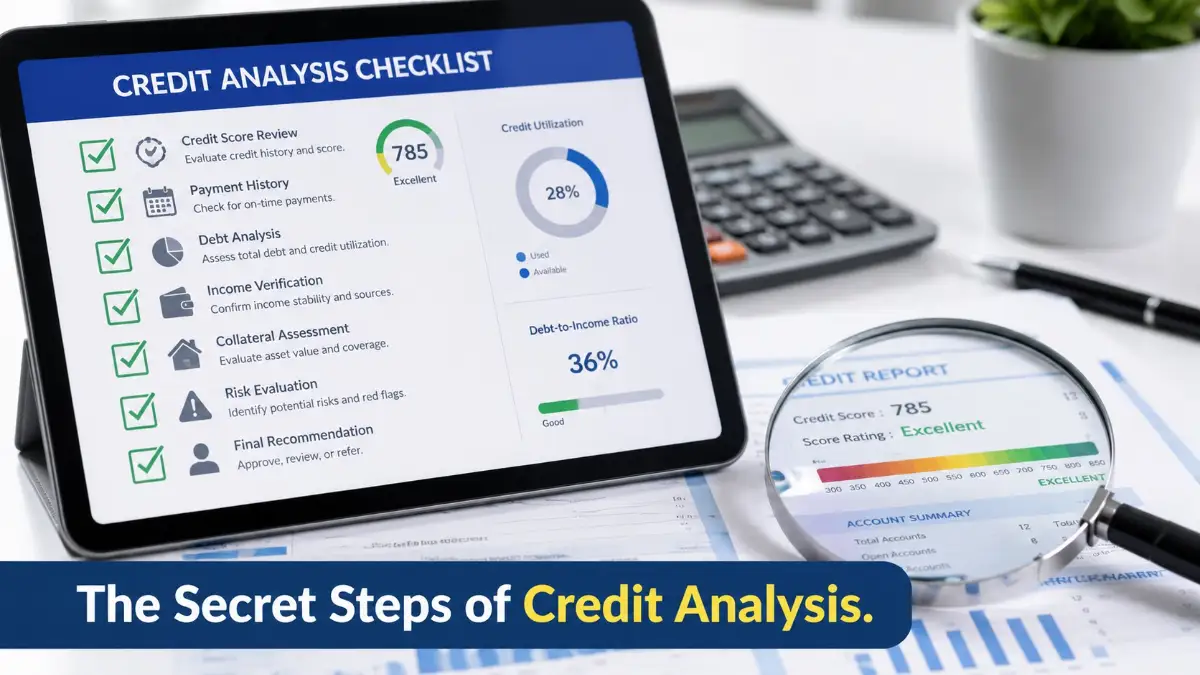
What Actually Happens Behind the Scenes?
When you send in an application, it doesn't just sit in a pile. It enters a sophisticated workflow designed to test your financial stability. Most modern banks use a mix of automated systems and manual reviews. Let's break down the early stages of this journey so you know exactly what is happening while you wait.
The Initial Gatekeeper: Data Verification
The very first thing a lender does is check for accuracy. This is the "screening" phase. They look at your name, address, and social security number. They want to ensure you are who you say you are. If your application has a typo in your address or a wrong digit in your phone number, the system might flag it.
Think of this like a security check at an airport. They aren't looking at your suitcase yet; they are just checking your ID. If the ID is wrong, you don't move forward. This is why accuracy is the most important factor in the first ten minutes of your application's life.
The Credit Score Deep Dive
Once you pass the ID check, the lender pulls your credit report. They don't just look at the three-digit number. They look at the "why" behind the number. Have you paid your bills on time for the last two years? Do you have a habit of maxing out your credit cards?
Lenders use your credit history as a crystal ball. They believe that your past behavior is the best way to predict your future behavior. If you have a history of late payments, they see a risk. If you have a clean history, they see a partner.
Pro Tip: Most people think a score of 700 is enough. While it's good, lenders also look at "credit mix." They like to see that you can handle different types of debt, like a credit card and a previous car loan, at the same time.
Assessing the Debt-to-Income (DTI) Ratio
If you are a visual learner, watch this quick video breakdown of how banks actually calculate your Debt-to-Income ratio. Once you see the math in action, keep reading below to uncover the biggest myths that might be holding you back from applying!
This is where the math gets serious. Your income might be high, but if your expenses are also high, the lender will worry. The Debt-to-Income ratio is a simple formula: your monthly debt payments divided by your gross monthly income.
Lenders usually want this number to be below 43%. If you earn $5,000 a month but spend $3,000 on other loans and rent, your DTI is 60%. Even with a perfect credit score, a high DTI can lead to a rejection. They want to make sure you have enough "breathing room" in your budget to pay them back every month without struggling.
Setting the Record Straight: Loan Evaluation Fact-Check
There is a lot of misinformation floating around about how banks make their decisions. If you believe the wrong things, you might feel too intimidated to even apply. Let’s look at the real facts behind the most common myths.
The "Credit Score is Everything" Myth
Many people believe that a high credit score is a golden ticket to an automatic approval. While a good score helps, it is only one piece of the puzzle. Lenders also look at your income stability and how much debt you already carry. You could have a perfect 800 score, but if you have no steady job, a lender will still see you as a risk.
The "Rejection is Final" Myth
Getting a "no" from a bank feels like a heavy blow. However, a rejection is not a permanent mark on your record. It is simply a sign that your current financial profile doesn't meet their specific rules today. You can often apply again in a few months after you have lowered your debt or fixed errors on your report.
The "Human Touch" Myth
You might imagine a loan officer sitting at a desk with a magnifying glass reviewing your file. In reality, many modern loans are processed almost entirely by smart algorithms. If your numbers meet the math requirements, a computer might approve you in seconds. Human reviewers usually only step in for complex cases or very large loans.
The "Credit Check Fear" Myth
I hear this all the time: "I don't want to check my own score because it will lower it." This is simply not true. Checking your own credit is a "soft pull." It has zero impact on your score. In fact, checking it often is a smart move so you can catch mistakes before a lender does. Only a "hard pull" by a lender during an actual application affects your score.
The Role of Documentation: Proving Your Worth
You might feel like the bank is asking for too much paperwork. They want pay stubs, tax returns, and bank statements. Why? Because in the world of finance, trust must be verified.
Verifying Your Income
Lenders don't just take your word for how much you earn. They want to see the proof. They look at your pay stubs to see your "Year-to-Date" earnings. This helps them see if your income is stable or if it fluctuates. If you are self-employed, this part is even more detailed. They might ask for two years of tax returns to see the trend of your business.
Asset Review
Sometimes, having money in the bank is just as important as having a job. Lenders look at your liquid assets. If you lose your job tomorrow, do you have enough savings to pay the loan for a few months? This is your "safety net." Having three to six months of expenses in a savings account makes you look much more attractive to a loan officer.
The Employment Verification Call
Don't be surprised if the bank calls your employer. They want to know if you are still working there and if your job is permanent. They aren't looking for gossip; they just want to confirm that the income source you listed is still active. This is a standard step and nothing to be afraid of.
Understanding the "Character" of the Borrower
In the old days, a local banker would look you in the eye to decide if you were trustworthy. Today, banks use "Behavioral Data" to do the same thing. They look at how you manage your bank account. Do you have a lot of overdrafts? Do you spend all your money the day you get paid?
Your bank statement tells a story. Lenders prefer a story of stability. They like to see consistent deposits and controlled spending. If your bank statement shows a lot of gambling sites or risky spending, it sends a red flag, even if you have the money to cover it.
The Underwriting Phase: The Final Judgment
After all the data is collected, your file goes to an underwriter. This person is the final judge. Their job is to look at all the pieces of the puzzle and decide if the risk is worth it.
The underwriter looks for "compensating factors." For example, maybe your credit score is a little low, but you have a very high down payment. Or maybe your income is a bit low, but you have been at the same job for ten years. The underwriter balances the good and the bad to make a final call.
Why Some Applications Get Flagged
Sometimes an application isn't rejected, but it isn't approved either. It gets "pended." This usually happens because of a missing link. Maybe a document was blurry, or there is an unexplained large deposit in your bank account.
If you see a large sum of money suddenly appear in your account, lenders want to know where it came from. Is it another loan you didn't disclose? Is it a gift? They need to know because it affects your overall financial picture.
Expert Insight: If you receive a cash gift for a down payment, get a "gift letter" signed by the person who gave it to you. This saves weeks of back-and-forth communication with the bank.
How to Prepare for a Smooth Approval
The best way to win the loan game is to play defense before you play offense. Before you even apply, you should "clean up" your financial life.
- Check for Errors: Pull your own credit report and look for mistakes. Sometimes old debts that were paid off still show as active.
- Lower Your Balances: If you can pay down a credit card by even a few hundred dollars, it can improve your DTI and your credit score.
- Avoid New Debt: Do not buy a new car or open a new credit card right before applying for a major loan. This makes lenders nervous.
- Organize Your Files: Have your last three months of pay stubs and last two years of tax returns ready in a digital folder.
By following these steps, you make the lender's job easier. When their job is easy, your approval comes faster.
The Connection Between Risk and Interest Rates
It is important to remember that the loan evaluation process also determines your interest rate. Lenders use a "risk-based pricing" model. If the evaluation shows you are a very low risk, you get the lowest interest rates. If you are a higher risk, they charge you more interest to cover that risk.
This is why "good enough" isn't always the goal. The difference between a 700 score and a 760 score could save you thousands of dollars over the life of a loan. The evaluation isn't just about a "Yes" or "No"; it is about "At what cost?"
Moving Beyond the Basics to Master Your Loan Strategy
Understanding the initial screening and the math of debt ratios is a great first step. However, the loan evaluation process has deeper layers that can either work for you or against you. Now that you know how lenders look at your past, let’s focus on how you can actively shape your financial profile right now to ensure a guaranteed "Yes." In the following sections, we will explore the advanced strategies that professional borrowers use to position themselves for success and the common traps that you must avoid at all costs.
Master the Art of Positioning Your Loan Profile for Success
Now that we have covered how lenders look at your numbers, it is time to talk about the deeper strategy. You want to move from being "just another applicant" to being the borrower every bank wants. This requires a bit of chess-like thinking. You have to look at your financial life through a lens of long-term stability.
One of the best-kept secrets in the banking world is the concept of Credit Seasoning. This simply means letting your accounts age without making big changes. When a lender sees that you have kept the same credit card for five years and never missed a payment, they see a "seasoned" borrower. They see someone who isn't impulsive.
If you are planning to apply for a large loan in the next few months, stop opening new store cards. Every time you apply for credit, it leaves a "hard inquiry" on your report. Too many of these make you look desperate for cash. Instead, focus on 7 surprising personal finance mistakes that quietly kill your credit health to ensure your profile stays clean and attractive to top-tier lenders.
The Power of the "Credit Mix" Strategy
Did you know that having only credit cards can actually work against you? Lenders like to see that you can handle different types of debt responsibly. This is called a credit mix. It includes "revolving" credit like cards and "installment" loans like a previous car loan or a student loan.
If your history only shows one type of debt, you might appear less experienced. You don't need to go out and get a loan you don't need just to build a mix. However, if you already have a small personal loan, paying it off slowly and on time is better for your evaluation than paying it all off in one day. It shows a consistent pattern of reliability over many months.
Optimizing Your Utilization Before the Ask
Your credit limit is a tool, but how much of it you use is a signal. This is known as your utilization ratio. Even if you pay your bill in full every month, the balance reported on your statement date matters. If the bank sees you are using 90% of your limit, they might think you are living beyond your means.
A pro-level move is to keep this ratio under 10% for at least two months before you apply for a loan. You can find more details on why your credit utilization ratio is the secret to getting better loans to help you drop your interest rates significantly. This small adjustment can move your application from the "maybe" pile to the "approved" pile in seconds.
I learned this the hard way when I left a high balance on my favorite cashback card right before applying for a car loan. Even though I always paid it off in full, the bank saw a maxed-out limit on my statement date and gave me a terrible interest rate. Now, I always pay my cards down to almost zero a few weeks before anyone checks my credit, and it works like magic every time.
The Expert Negotiator: Talking to the Loan Officer
Sometimes, the automated system might flag your application for a small reason. This is when you need to speak to a human. Don't be afraid to ask for a "manual review." If you have a solid reason for a past financial dip—like a medical emergency or a job gap that has since been fixed—tell them.
Loan officers are people too. They have the power to add "notations" to your file. If you can explain that a late payment from three years ago was a one-time event, they might overlook it. Transparency builds more trust than trying to hide a mistake that they will eventually find anyway.

The Hidden Trapdoors: Errors That Can Sink Your Application
Even with a high income and a good score, certain behaviors act as poison for a loan application. These are the pitfalls that catch people off guard. Most of the time, these mistakes are made out of a lack of knowledge, not a lack of money.
One of the biggest mistakes is the "New Debt Trap." Imagine you are in the middle of a mortgage approval. You decide to buy new furniture on a "no interest for 12 months" plan. To you, it feels like a smart move. To the lender, it is a nightmare. They now have to recalculate your entire debt load. This small purchase can delay your closing or even lead to a total rejection.
The "Ghosting" Effect and Communication Gaps
Lenders will often ask for "one more thing." It might be a clearer copy of a pay stub or a letter explaining a deposit. Many borrowers get frustrated and take days to respond. In the world of loan evaluation, speed is a signal of stability.
If you take a week to reply to a simple question, the lender begins to wonder if you are struggling to find the information or if you are hiding something. Treat your loan officer like a partner. Respond to their requests within 24 hours. This keeps the momentum going and shows that you are serious and organized.
Misrepresenting Your Secondary Income
We live in a world of side hustles. You might drive for a ride-share app or sell crafts online. While this extra money is great, don't list it on your application unless you can prove it with tax documents. If you claim you make $1,000 extra a month but don't have the paperwork, the lender will simply delete that income from your file.
Worse, if they find out the income isn't verifiable, they might flag your application for "misrepresentation." It is always better to be conservative with your numbers. Stick to what you can prove with a paper trail. According to the Consumer Financial Protection Bureau, having clear and verifiable financial records is the best defense against a denied application.
Why Small Bank Account Details Matter
Lenders look for "Non-Sufficient Funds" (NSF) alerts on your bank statements. Even if it happened once because of a banking error, it looks bad. It suggests that you don't monitor your balances. Before you apply, make sure your bank statements for the last 90 days are "squeaky clean." No bounced checks, no overdraft fees, and no strange, large cash deposits that you can't explain.
If you don't understand how these small factors add up, it is helpful to look at the simple guide to understanding debt-to-income ratio for new borrowers. This will help you see how every dollar in your account is weighed against every dollar you owe.
Turning Rejection into a Roadmap for Success
Not every application gets a "Yes" on the first try. If you receive a denial letter, do not take it personally. Use it as a free diagnostic tool. By law, lenders must give you an "Adverse Action Notice." This letter tells you exactly why you were turned down.
Was your income too low? Was your credit history too short? Once you know the reason, you have a clear path forward. You can spend the next six months fixing that specific issue. If you want to know more about the "secret" reasons behind these decisions, check out why banks say no: the hidden reasons your loan application failed.
The "Second Look" Strategy
Sometimes, a rejection from a big national bank doesn't mean a rejection from everyone. Smaller community banks or credit unions often have different rules. They might be more willing to look at the "human story" behind your numbers.
If a big bank says no, wait a few weeks, fix any obvious errors, and try a smaller institution. They often keep their loans "in-house," which gives them more flexibility than the big banks that sell their loans to investors. This is a great way to get a foot in the door if your profile is a bit unconventional.
Your Path to a Stress-Free Approval
The loan evaluation process doesn't have to be a scary mystery. It is a logical system designed to measure risk. When you take the time to clean up your credit, lower your debt, and organize your documents, you are speaking the lender's language. You are showing them that you are a safe bet.
Start by looking at your finances today. Don't wait until the day you need the money. The best time to prepare for a loan is six months before you actually need it. This gives you time to move the needle on your credit score and clear out any old errors.
A Final Checklist for Your Journey
Before you hit that submit button on your next application, run through this mental checklist:
- Is my credit utilization below 10%?
- Do I have all my tax returns and pay stubs in one folder?
- Have I avoided opening any new accounts in the last six months?
- Is my debt-to-income ratio in a healthy spot?
If you can answer "yes" to these, you are ahead of 90% of other applicants. You have done the hard work. Now, you can step into the process with confidence, knowing that you have built a strong financial foundation.
Taking Charge of Your Financial Story
Your financial health is a journey, not a destination. A loan is just a tool to help you reach a goal, whether that is a home, a business, or a better car. By mastering the evaluation process, you are not just getting a loan; you are gaining a deeper understanding of how the world of money works.
This knowledge stays with you long after the loan is paid off. It helps you make better decisions every day. It gives you the peace of mind that comes with being in total control. So, take that first step today. Review your accounts, fix those small errors, and prepare to be the borrower that every lender wants to say "Yes" to.
Looking back, realizing that the bank’s decision was just basic math gave me so much peace of mind. You have the exact same power to rewrite your financial story starting today. Just take a deep breath, pull your credit report, and take that first step toward a confident "Yes!"
Disclaimer: The information provided in this article is for educational purposes only and does not constitute financial or legal advice. Loan approval is subject to individual lender criteria and market conditions. Always consult with a certified financial professional before making significant financial decisions.
About the Author
Munira Parveen is a dedicated Digital Content Strategist and Lead Researcher with a passion for simplifying complex topics. From navigating personal finance and emerging tech trends to uncovering the best practical lifestyle solutions, she spends her time analyzing data to bring readers highly accurate, actionable, and easy-to-understand guides. Her ultimate goal is to empower everyday people to make smarter, more informed decisions in this fast-paced digital world.