The Hidden Frustration Behind the Dream of Free Energy
I remember sitting at my kitchen table last winter, staring at my latest utility bill and feeling a sinking weight in my chest. I had spent months turning off lights and freezing in my own home just to save a few dollars, but the numbers kept climbing anyway. I felt trapped, and honestly, I was tired of feeling like my own house was working against my bank account.
Have you ever opened your monthly electricity bill, stared at the bold number at the bottom, and felt a sudden knot in your stomach? You are definitely not alone in this. Millions of homeowners experience this exact same anxiety every single month.
We try turning off lights, adjusting the thermostat until we are uncomfortable, and unplugging appliances we rarely use. Yet, no matter how hard we try to cut back, those utility costs just keep creeping upward. It feels like an endless game you simply cannot win.
This growing frustration pushes many of us toward a bright alternative: capturing the sun's energy. The idea of generating your own power is incredibly exciting. You picture a future where you finally take control back from the big utility companies.
But almost immediately, a major roadblock stops you in your tracks. You step outside, look at your home, and suddenly realize you have absolutely no idea where this equipment should actually go.
Will the trees block the light? Is the roof too old? What if the house faces the wrong direction? These questions swirl in your head, turning a hopeful project into an overwhelming headache.
Choosing the wrong spot means you might spend thousands of dollars only to generate a fraction of the power you expected. That is a terrifying thought for any homeowner. The pressure to make the absolute perfect choice can completely paralyze you.
Do not let this confusion stop you from achieving energy independence. We are going to break down this entire process into simple, highly effective steps you can actually understand and apply right now.
Mapping Out Your Property’s Natural Sun Path
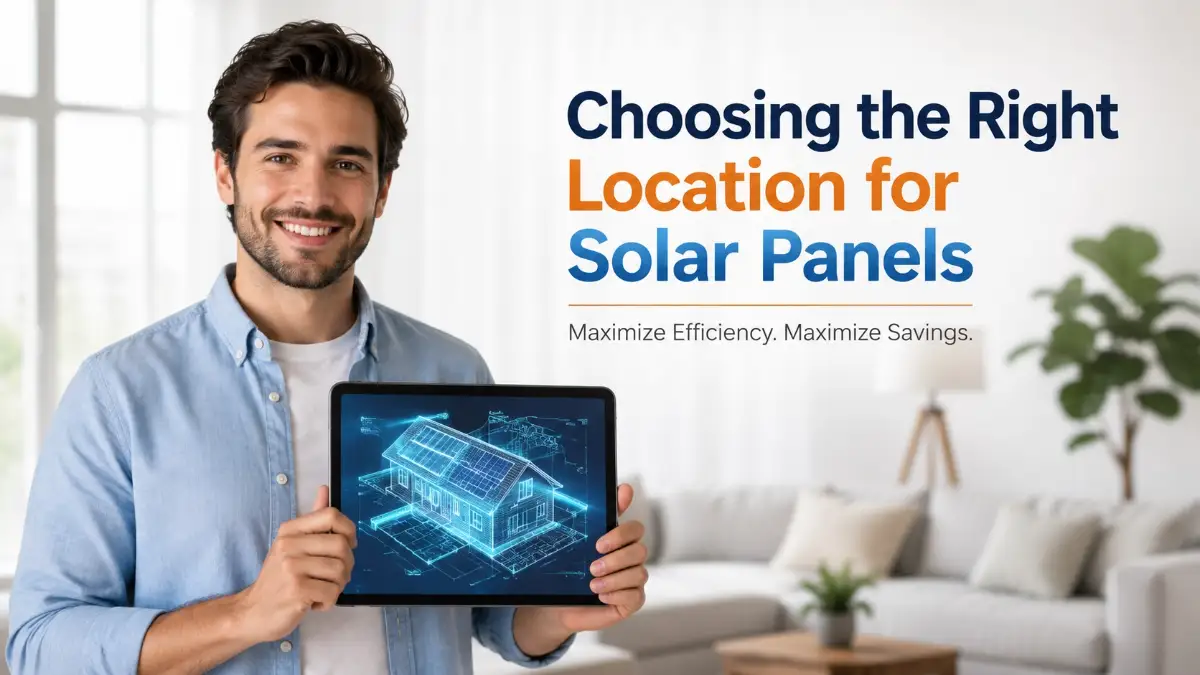
Finding the perfect spot for your clean energy system is not about guessing. It is about understanding exactly how the sun interacts with your specific property throughout the day.
Every house has a unique relationship with the sun. Before you even call an installer, you need to become familiar with your home's natural light cycle. This step alone can save you from making a massive financial mistake.
The Magic of the Southern Exposure
Still feeling a bit lost about where to start? Check out this quick, simple walkthrough to see how you can spot the perfect solar setup on your own home right now.
If you live in the Northern Hemisphere, your primary goal is to find a completely unobstructed south-facing area. Why is this so important? Because the sun travels across the southern part of the sky for the majority of the day.
Panels facing true south will catch the maximum amount of direct light from morning until late afternoon. This translates directly into more electricity generated for your household. Your south-facing roof space is essentially prime real estate for power generation.
But what if your house does not perfectly face south? Do not panic. West-facing roofs are actually incredibly valuable too. While they might produce slightly less overall energy, they capture the intense late-afternoon sun.
This late-afternoon period is exactly when families come home, turn on the air conditioning, and start cooking dinner. Generating maximum power exactly when you use it most is a massive win for your wallet.
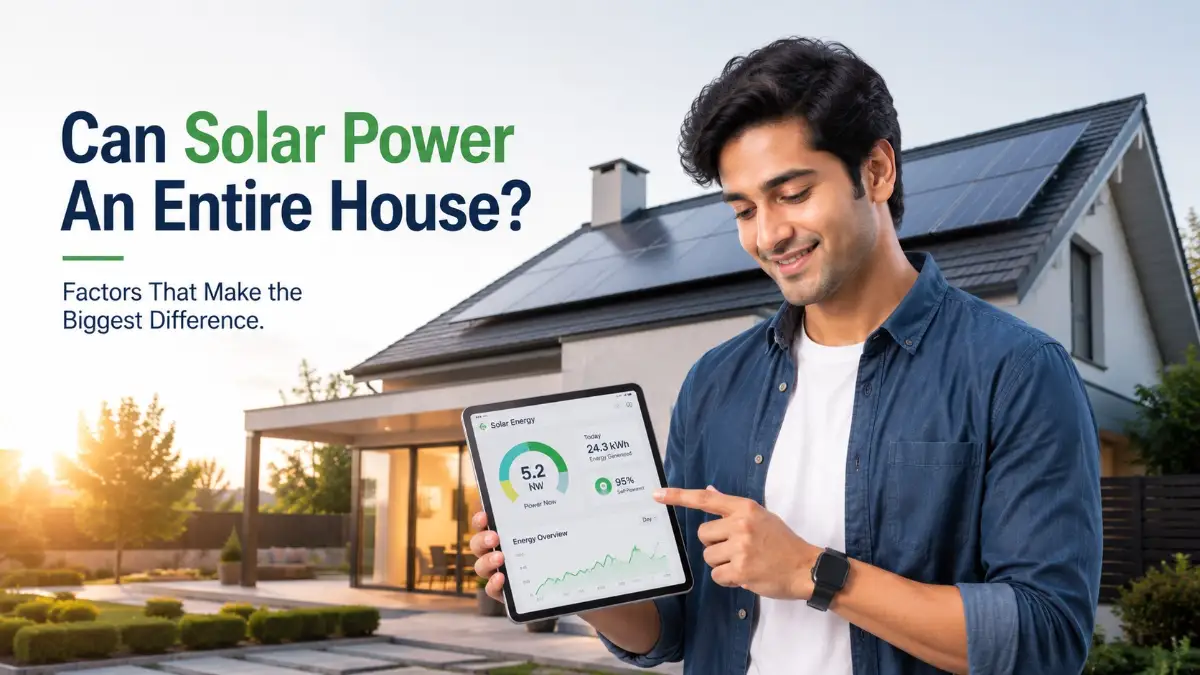
To understand how you can utilize this power for your daily needs, you should definitely check out our detailed breakdown on How to Power Your Entire House With Solar Panels: A Complete Guide. It will give you a clear picture of how those carefully placed panels support your daily life.
Conducting Your Own Shadow Test
When I first started looking into solar, I almost made the mistake of just picking the side of the roof that looked nicest from the street. I quickly realized that if I had followed that instinct, I would have wasted thousands of dollars on a system that barely generated any power. Taking that extra afternoon to actually track the shadows on my own lawn was the smartest hour I ever spent—it completely changed how I planned my layout.
You do not need expensive tools to start evaluating your property. You can perform a highly effective shadow test completely on your own this weekend.
Pick a clear, sunny day when you are going to be home from morning until evening. Start your observations around 9:00 AM, check again at noon, and do a final check around 4:00 PM.
Take your smartphone and snap photos of your roof and yard during these three specific times. What you are looking for are sneaky shadows that stretch across your property.
A shadow might seem harmless, but it acts like a kink in a water hose when it falls across your energy system. Even a small shadow from a chimney can drastically reduce the output of an entire array of panels.
The Hidden Threats: Dynamic Shading
When we look at our yards, we usually only see things as they are right now. But when planning a home energy system, you have to think in decades.
That cute little oak sapling your neighbor planted near the fence line? In ten years, it might cast a massive shadow directly over your garage roof. We call this "dynamic shading," and it is a silent killer of energy production.
You have to look beyond your own property lines. Observe tall structures, neighboring rooflines, and growing trees. According to the Department of Energy's guide on residential solar systems, assessing shading carefully is one of the most significant factors in determining if your site is suitable.
If you notice that your main roof gets completely covered in shade by 2:00 PM every day, you know immediately that a standard roof mount will not work well. This simple observation saves you from a highly frustrating experience down the road.
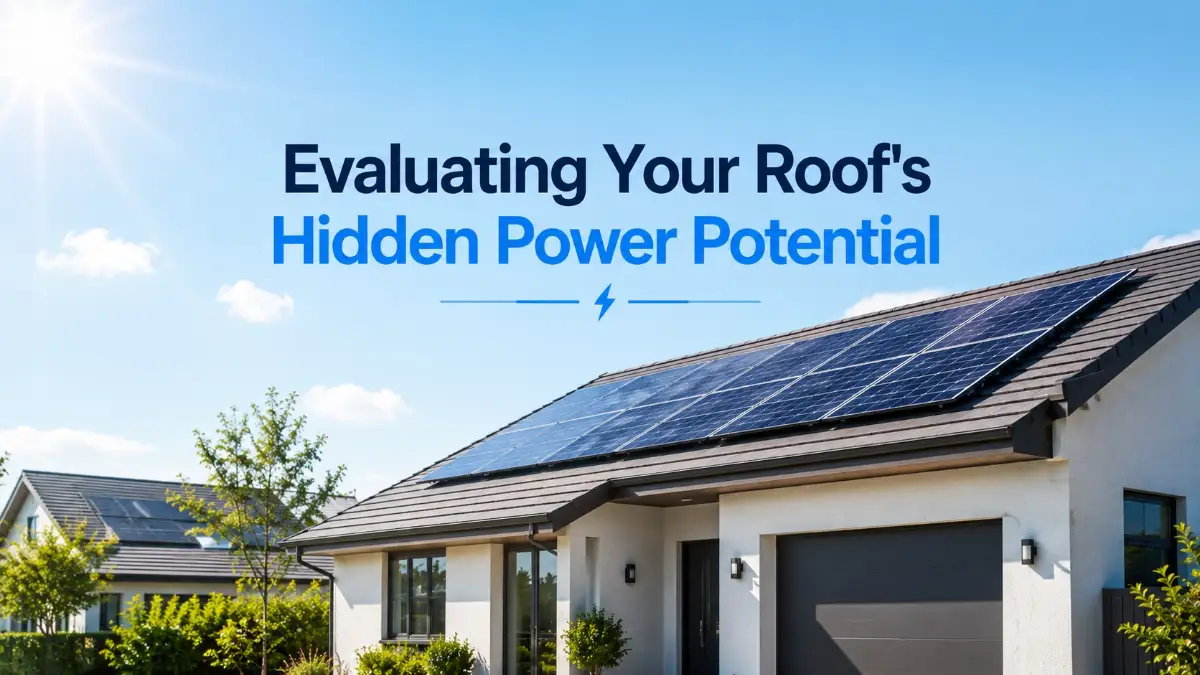
Evaluating Your Roof’s True Structural Readiness
Once you identify a sunny spot on your roof, you must ask a very practical question. Is this structure actually strong enough to hold hundreds of pounds of glass and metal for the next twenty-five years?
Many eager homeowners skip this step, assuming any roof can handle the addition. This mistake can lead to severe water leaks, structural damage, and incredibly expensive repair bills.
Age Matters More Than You Think
Take a hard look at the current condition of your shingles. If your roof is already fifteen years old, it is nearing the end of its natural life cycle.
Installing a brand-new energy system over an old, decaying roof is a terrible idea. You will eventually have to pay a crew to come out, remove all the panels, replace the roof, and then reinstall the system. This double-handling process will completely wipe out your energy savings.
If your roof needs replacing within the next five years, bundle the two projects together. Many contractors offer significant discounts when you replace the roof and add the power system at the exact same time.
Pitch and Angle: Finding the Sweet Spot
Your roof does not just need to be strong; it needs to have the right slope. The angle of your roof directly impacts how directly the sun's rays hit the surface.
A completely flat roof is not ideal because water and debris will pool under the equipment. A roof that is extremely steep makes installation dangerous and highly difficult, which drives up labor costs significantly.
The absolute best scenario is a standard pitched roof angled between 30 and 45 degrees. At this angle, rain naturally washes dirt and pollen off the glass, keeping your system operating at peak efficiency without manual cleaning.
Breaking Free From the Roof: Exploring Ground Mounts
Sometimes, no matter how hard you try, your roof simply will not cooperate. It might be heavily shaded by historic trees you cannot cut down, or it might point strictly north.
This does not mean your journey toward clean energy is over. If you have open space on your property, a ground-mounted system is a fantastic alternative that many people completely overlook.
Why Ground Mounts Often Perform Better
Ground systems offer several incredible advantages over traditional roof setups. First, you get to choose the exact angle and direction they face. You are no longer limited by how the original architect designed your house.
Because they sit in an open area, air flows freely all around them. Solar panels actually lose efficiency when they get too hot. The natural cooling effect of a ground mount means they often produce significantly more power than a baking-hot roof system.
Maintenance becomes incredibly easy as well. You do not need tall ladders or safety harnesses to brush off winter snow or clean away summer dust. You can simply walk right up to them with a standard soft broom.
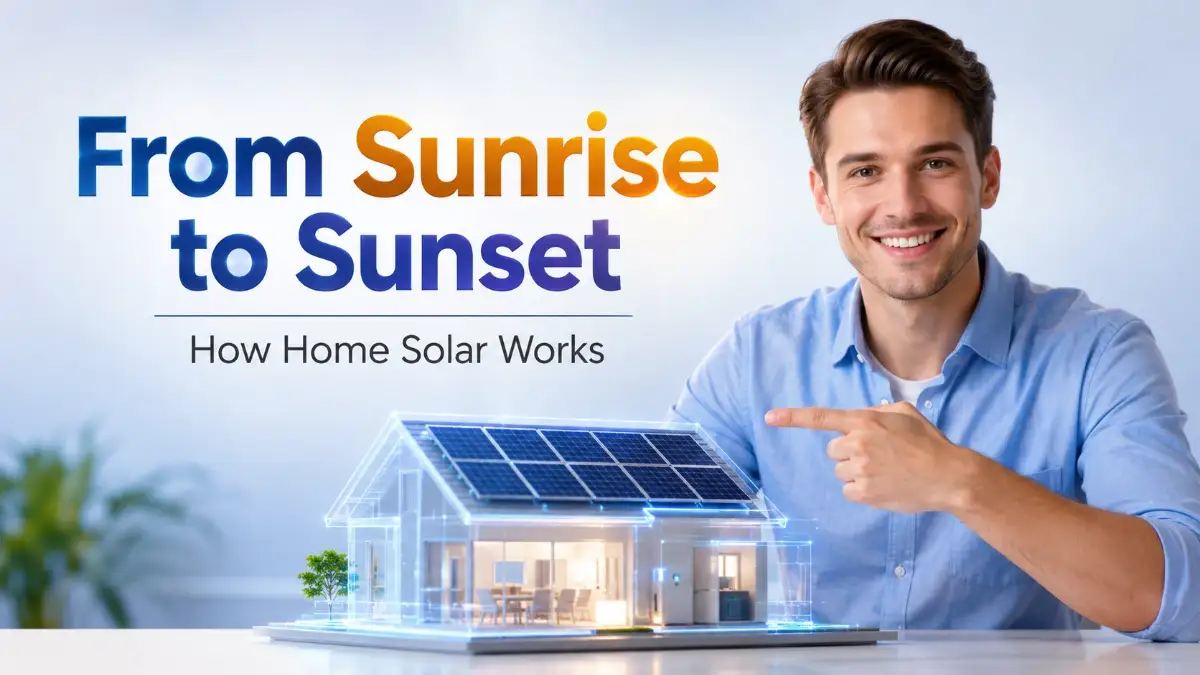
If you want to understand exactly how this daily energy generation happens from dawn until dusk, read our comprehensive post: From Sunrise to Sunset: How a Residential Solar Power System Works. It breaks down the entire fascinating process step by step.
Myth vs. Reality: Ground Mounted Systems
There is a lot of misinformation out there regarding alternative mounting options. Let us clear up a few common misunderstandings right now.
Myth: Ground mounts are ugly and ruin the look of your beautiful yard.
Reality: Modern frames have a very sleek, low-profile design. You can easily plant low-growing shrubs around the base to blend them beautifully into your landscaping.
Myth: They are wildly expensive compared to going on the roof.
Reality: While the metal framing adds some initial cost, the massive boost in energy efficiency often pays for that difference very quickly. Plus, the labor is safer and faster since workers stay on the ground.
Overcoming Local Rules and HOA Roadblocks
You have found the perfect sunny spot, checked your roof, and mapped out the exact placement. But there is one final, often frustrating hurdle to jump before you start building.
Local regulations and Homeowner Associations (HOAs) have incredible power over what you can and cannot do on the outside of your property. Ignoring them can lead to massive fines and legal headaches.
Navigating the HOA Maze
If you live in a community governed by an HOA, you need to read your neighborhood bylaws tonight. Some older associations still have outdated rules completely banning any visible equipment on the front of a house.
However, there is excellent news on this front. Many local governments have recently passed "solar access laws." These laws specifically state that an HOA cannot legally stop you from generating your own clean power.
Even with these laws in place, your HOA might still have a say in the aesthetics. They might require that the metal framing matches the color of your roof shingles, or they might ask you to hide wiring inside the walls rather than running it outside.
Always submit your design plans for official written approval before signing a contract with an installer. Getting a friendly "yes" in an email is not enough; you need formal, documented permission.
Checking Local Zoning and Setbacks
If you are planning a ground-mounted system, local city zoning laws become very important. Every town has specific rules about how close a structure can be built to the property line.
These rules are called "setbacks." If your town requires a ten-foot setback, you cannot place your expensive new system right up against your neighbor's fence.
You also need to check for underground utilities. Before you let anyone dig holes for metal support posts, you must call your local utility marking service. Hitting a buried water pipe or internet cable will instantly turn a great project into a massive neighborhood disaster.
Taking the time to investigate these boring legal details now ensures your project goes smoothly later. It gives you total peace of mind knowing your new energy system is perfectly safe, fully legal, and positioned for maximum savings.
Going Beyond the Basics: Pro-Level Strategies for Maximum Power
We often think finding a sunny patch on the roof is the end of our planning journey. However, turning that raw sunlight into massive daily savings requires a bit more advanced strategy. Experienced system designers look at residential properties through a completely different lens than the average homeowner. They constantly look for hidden opportunities to squeeze every single drop of power from a chosen location.
One of the biggest industry secrets involves exactly how you manage unavoidable partial shade. Sometimes, you simply cannot cut down a beautiful old tree or move a neighbor’s tall chimney. This is exactly where your choice of background hardware becomes incredibly important to your financial success.
Think of older power technology like a cheap string of decorative holiday lights. If one single bulb burns out or gets crushed, the entire string instantly goes dark. Standard string inverters operate in the exact same frustrating way on your roof. If a dark shadow hits just one single panel in the corner, it heavily drags down the energy production of the entire connected system.
To successfully combat this problem, professionals strongly recommend utilizing micro-inverters for roofs with complex shade patterns. A micro-inverter is a small device attached to the back of each individual panel, allowing it to operate completely independently. If one panel falls into deep shade at 3:00 PM, the rest of your system keeps pumping out maximum power without any interruption.
You can read more about the dramatic technical performance differences during shading events in this comprehensive National Renewable Energy Laboratory (NREL) report on photovoltaic performance. It perfectly illustrates why independent panel operation is so highly valued by industry experts.
Another pro-level strategy is future-proofing your installation space today for the reality of tomorrow. When choosing your roof or yard location right now, you must think about your family's lifestyle five or ten years down the road. Are you planning to purchase an electric vehicle in the near future? Will you eventually install an electric heat pump to replace a dying gas furnace?
These modern home upgrades will drastically increase your daily electricity consumption. If you fill up your only good south-facing roof space right now with a very small system, you will have absolutely nowhere left to expand later. It is incredibly smart to map out physical space for extra panels from day one, even if you do not purchase them immediately.
Of course, building a massive system is not the only way to meet your future household needs. The smartest homeowners actually focus on lowering their daily usage before they ever buy a single panel. We highly recommend reading our guide on Easy Ways to Reduce Household Energy Waste Before Going Solar to understand how fixing simple leaks saves you serious money. Lowering your overall home demand means you can install a smaller, cheaper energy system and still comfortably cover all your needs.
Finally, let us talk about the invisible, yet powerful effect of natural airflow. Extreme heat is actually the natural enemy of electronic efficiency. When panels sit completely flat against a hot asphalt roof, they literally bake in the summer sun, which drops their electrical output noticeably.
If you are committing to a roof installation, ask your contractor to deliberately leave a decent gap between the shingles and the mounting hardware. This deliberate spacing allows cool breezes to flow freely underneath the hot glass. This simple natural cooling effect can boost your daily power generation significantly, giving you a much better long-term return on your investment.
The Hidden Traps That Destroy Solar Investments
Even with the absolute best intentions, homeowners frequently fall into specific traps that ruin their clean energy dreams. These painful mistakes usually happen when people rush the planning phase or prioritize the wrong visual details. Making a poor decision here does not just cost you a few extra dollars upfront. It can completely wipe out decades of potential financial savings.
The most common and heartbreaking mistake is falling victim to the "Street View Obsession." Many neighborhood associations or overly cautious homeowners want the panels completely hidden from the front street view. They demand the equipment be placed strictly on the back side of the house, regardless of which way the house actually faces.
If the back of your house faces directly north, putting your system there is a massive financial disaster. Northern-facing roofs receive almost zero direct, intense sunlight throughout the day. You will spend thousands of hard-earned dollars on beautiful glass panels that function purely as highly expensive roof decorations.
You should never sacrifice your energy production just to temporarily hide the equipment from neighbors. Modern black-on-black panels look incredibly sleek, flush, and futuristic. They are a modern badge of honor showing you are taking real control of your utility bills. There are lots of misunderstandings about what a home system should look like, which we cover deeply in our breakdown: Stop Believing These Home Solar Energy Myths: What First-Time Homeowners Must Know.
Another massive pitfall is completely ignoring the invisible obstacles already living on your roof. When we look up from the driveway, a residential roof looks like a giant, flat, perfect canvas. But up close, it is usually heavily cluttered with plumbing vents, exhaust pipes, and small skylights.
Many eager buyers map out a giant perfect square for their system, completely forgetting about these protruding metal pipes. When installation day finally arrives, the crew has to awkwardly build the system around these obstacles. This completely breaks up the clean look of the system and often forces panels into heavily shaded, less efficient areas.
According to the Solar Energy Industries Association (SEIA) best practices for residential design, failing to account for basic roof penetrations is a leading cause of delayed installations and unexpected price hikes. Always carefully measure your usable space only after subtracting the wide areas around your vents.
Relying entirely on free internet satellite imagery is another modern trap that catches many first-timers off guard. Looking at a satellite map on your computer is a highly entertaining way to start your initial research. However, those public images are almost always completely outdated.
A satellite picture taken three years ago will absolutely not show the massive oak tree branch that just grew directly over your garage this spring. It also cannot accurately measure the steep pitch or structural decay of your roof. You absolutely must have a trained professional walk your actual physical property before signing any financial documents.
The final dangerous mistake is trying to DIY the structural assessment of your attic. Just because a roof does not actively leak water into your living room does not mean it can support heavy equipment during a severe windstorm. Your wooden roof trusses must be officially inspected by someone who clearly understands local building codes and weight loads. Skipping this physical inspection puts your entire home structure at massive physical risk.
Your Blueprint for a Brighter, Cheaper Future
Taking absolute control of your home's energy production is honestly one of the most rewarding home improvement projects you will ever undertake. Yes, there are technical details to figure out and careful measurements to take along the way. But the incredible feeling of watching your electrical meter spin backward on a bright sunny afternoon makes all that initial effort completely worthwhile.
You are no longer helplessly stuck paying whatever random rate the local utility company decides to charge you this year. By choosing the absolute best physical location on your property, you effectively turn idle daily sunshine into real, tangible wealth for your family. It acts as a powerful protective shield against the constantly rising cost of modern living.
Do not let the fear of making a technical mistake stop you from moving forward with your plans today. You now possess the exact knowledge needed to look at your property like a seasoned energy expert. You know exactly what subtle details to look for, what hard questions to ask, and what dangerous financial traps to strictly avoid.
To keep your amazing momentum going, we have created a highly practical action plan you can easily start tomorrow morning. You do not need any special tools to begin this journey right away.
Your Morning Action Plan:
- Step 1: Grab your smartphone and take a clear picture of your south, east, and west-facing roofs at 9:00 AM, 12:00 PM, and 4:00 PM.
- Step 2: Look closely at those photos for sneaky micro-shadows cast by chimneys, street power poles, or tall neighboring houses.
- Step 3: Dig through your home files to find your latest roof replacement receipt to determine exactly how old your current shingles truly are.
- Step 4: Walk your backyard carefully and identify at least one open, sunny spot that might work beautifully for an alternative ground-mounted system.
Your perfect energy generation location is out there right now, waiting to be discovered and utilized. Trust your fresh observations, do your basic homework, and get completely ready to welcome a new era of financial freedom into your home. The power to change your utility bills forever is literally in your hands.
Starting this journey felt overwhelming at first, but watching my meter finally spin backward made every bit of research feel worth it. You don't have to be an engineer to make this happen; you just need to take that first step today. Trust yourself, grab your phone, and start mapping out your own path to freedom—your future self will thank you for it.
Disclaimer: The information provided in this blog post is for educational and informational purposes only and should not be construed as professional financial, legal, or engineering advice. Always consult with a certified, locally licensed solar installation professional and your local municipality before making any structural changes or financial commitments regarding home energy systems.
About the Author
Munira Parveen is a dedicated Digital Content Strategist and Lead Researcher with a passion for simplifying complex topics. From navigating personal finance and emerging tech trends to uncovering the best practical lifestyle solutions, she spends her time analyzing data to bring readers highly accurate, actionable, and easy-to-understand guides. Her ultimate goal is to empower everyday people to make smarter, more informed decisions in this fast-paced digital world.