
The Silent Drain on Your Wallet and Peace of Mind
I still remember opening my electricity bill a few winters ago and actually gasping out loud at the number. My wife and I were barely keeping the heater on, yet it felt like we were paying to heat the entire neighborhood. That exact moment of panic forced me to figure out where all my hard-earned money was disappearing to every single month.
You walk to your mailbox, open the envelope, and stare at your monthly electricity bill. Your heart sinks just a little bit. You have tried turning off the lights when you leave a room. You even nag your kids about leaving the refrigerator door open.
Yet, the number at the bottom of that paper never seems to drop. It feels like you are working hard just to pay for electricity that you do not even remember using. This constant financial leak creates a quiet, lingering stress in the back of your mind.
You might be thinking that getting solar panels will magically fix everything. You imagine a life free from utility companies and high bills. But there is a harsh reality you need to face first. Putting a brand-new solar system on a house that wastes energy is like trying to fill a bucket that has massive holes in the bottom.
Every day, hidden energy vampires are quietly sucking power from your wall outlets. Drafty windows are letting your expensive heating and cooling slip right out into the neighborhood. You are paying for energy that provides zero comfort to your family.
I completely understand this frustration. I have been in that exact same spot, wondering where all the power was going. The good news is that you have the power to stop this waste right now. You do not need a massive budget or a degree in electrical engineering.
By making a few smart, practical changes around your house, you can take control of your energy use today. Let us look at how you can plug those holes, lower your daily stress, and get your home truly ready for a clean energy future.
Why a Leaky House Ruins Your Renewable Energy Dreams
Imagine buying a brand new, highly efficient car, but driving it with the parking brake pulled up. The car works, but you are wasting fuel and damaging the engine. The same concept applies to powering your home.
Many homeowners rush into buying renewable energy systems to escape high bills. They think panels on the roof will erase their bad energy habits. This is one of the biggest traps you can fall into.
If your home is inefficient, you will need a much larger, much more expensive system to cover your needs. The Most Common Myths About Home Solar Energy That Confuse First-Time Homeowners often stem from this exact misunderstanding. People believe renewable energy gives them a free pass to waste electricity.
When you eliminate energy waste first, you shrink your total power needs. This means you can buy a smaller, more affordable system later on. It is the smartest financial move you can make.
Let us start walking through the simple, everyday areas of your house where energy is quietly slipping away.
Slaying the Energy Vampires in Your Living Room
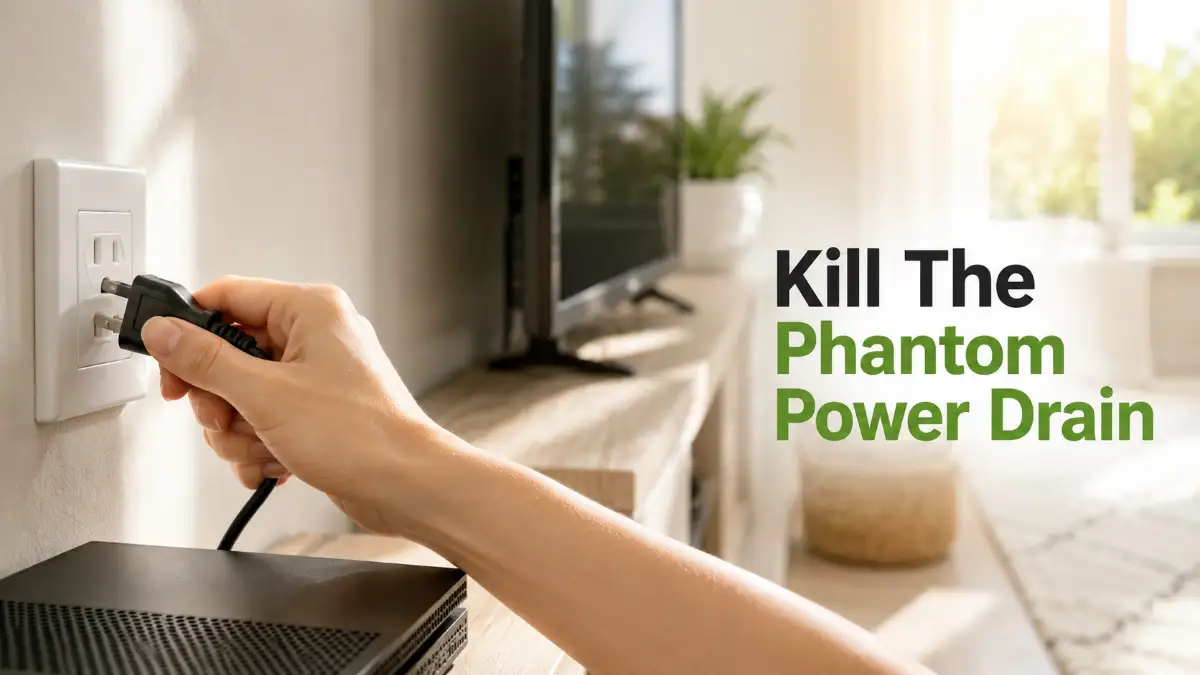
Did you know that many of your appliances are secretly consuming electricity even when they are turned off? Experts call this "phantom load" or standby power. It is a massive source of household energy waste.
Think about your living room right now. You probably have a television, a cable box, a gaming console, and a sound system. Even when the screen is black, those devices are drawing power to keep their internal clocks running. They are waiting for a signal from your remote control.
According to the Lawrence Berkeley National Laboratory, standby power can account for up to 10% of your total residential electricity use. That is a huge chunk of money leaving your pocket for absolutely no reason.
The Smart Power Strip Solution
You do not have to crawl behind your heavy TV cabinet every night to pull the plug. There is a much easier way to handle this. You can use an advanced power strip.
These smart strips can detect when your main device (like the TV) is turned off. When the TV powers down, the strip automatically cuts the electrical current to the connected devices, like the gaming console or DVD player.
This simple swap takes about five minutes to set up. Once it is in place, you never have to think about it again. You stop paying for idle electricity while you are sleeping.
I used to think leaving my TV and gaming console plugged in was no big deal until I decided to test it myself. I realized my living room alone was secretly eating up almost twenty dollars a month in standby power! Trust me, spending a few bucks on a smart power strip is the absolute easiest money I have ever saved.
The Kitchen Reality Check: Appliances and Habits
Your kitchen is the heart of your home, but it is also one of the biggest energy hogs. We use appliances here multiple times a day without a second thought. Changing just a few kitchen habits can drastically cut your waste.
Let us start with the biggest box in the room: your refrigerator. It runs 24 hours a day, non-stop. If the rubber seals around the doors are dirty or cracked, cold air escapes constantly. The compressor has to work twice as hard to keep your food safe.
The Dollar Bill Test
Here is a fun, easy trick you can do right now. Open your fridge door, place a dollar bill half inside and half outside, and close the door on it.
Now, try to pull the bill out. If it slides out easily with no resistance, your seals are weak. You are paying to cool your kitchen instead of your groceries. Cleaning the seals with warm soapy water or replacing them is a cheap fix that saves a lot of power.
Next, look at how you cook. Using a massive oven to heat up a small slice of pizza is a massive waste of electricity. Whenever possible, use smaller appliances. A microwave, a toaster oven, or an air fryer uses a fraction of the energy that a full-sized electric oven requires.
Sealing the Invisible Holes in Your Home’s Envelope
Heating and cooling make up the largest portion of a typical utility bill. If your home cannot hold onto that conditioned air, you are throwing money away. We call the outer layer of your house—the roof, walls, and windows—the thermal envelope.
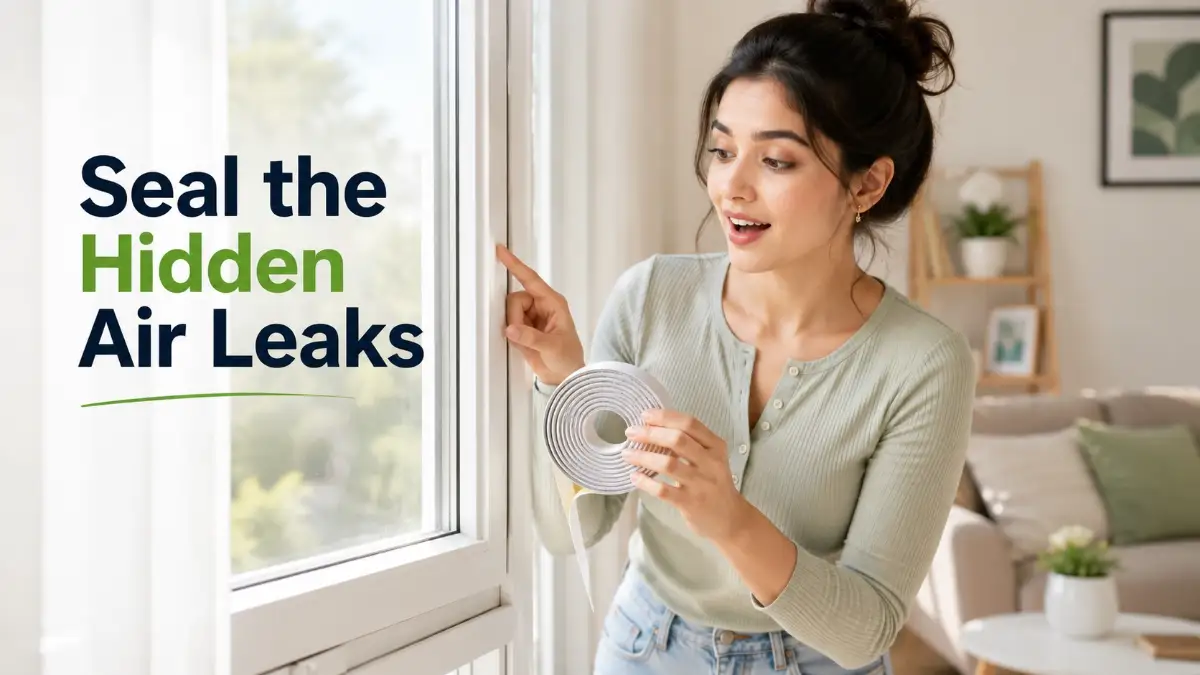
Many houses have tiny cracks and gaps around window frames and doors. Over time, houses settle, and old caulk dries up and falls away. These gaps might look small, but if you add them all together, it is like leaving a window wide open all year round.
Finding the Hidden Drafts
Watch the short video below to see exactly how to track down these sneaky drafts in your own house, and then keep reading to learn the absolute cheapest ways to seal them up for good!
You can easily locate these air leaks yourself. Wait for a windy day and carefully hold a lit incense stick near the edges of your windows, doors, and baseboards.
Watch the smoke closely. If the smoke begins to blow sideways or dance around wildly, you have found an air leak.
Quick Fixes for Big Savings
Fixing these leaks is a perfect weekend project. You can buy a roll of weather stripping from the hardware store for just a few dollars. Simply peel the backing off and stick it along the edges of your drafty doors.
For window frames, a cheap tube of clear silicone caulk works wonders. Squeeze a thin line along the joints where the frame meets the wall. These tiny, low-cost actions keep your expensive heated or cooled air exactly where it belongs: inside your home.
Rethinking Your Water Heating Strategy
Most people never think about their water heater until they are suddenly forced to take a freezing cold shower. However, this big metal tank is quietly working away in your garage or basement, consuming a massive amount of energy.
Factory settings on new water heaters are often set much higher than necessary. Many are set to 140 degrees Fahrenheit. Not only is this hot enough to cause scalding, but it also wastes a huge amount of electricity just keeping the water at that extreme temperature.
The Simple Temperature Dial Adjustment
You can walk over to your water heater right now and look for the temperature dial. By turning it down to 120 degrees Fahrenheit, you will instantly reduce your energy waste.
Your showers will still be perfectly hot, and your dishes will still get thoroughly clean. The only difference is that your tank will not have to work as hard to maintain the heat.
If your water heater is located in a cold basement or garage, it loses heat through its outer metal walls. You can buy an insulating blanket made specifically for water heaters. Wrapping the tank helps it retain heat, much like putting on a heavy winter coat.
Understanding how all these household appliances pull power is the key to managing your home efficiently. It also gives you a huge advantage when you finally decide to explore solar options. Once you know your true, optimized energy usage, understanding From Sunrise to Sunset: How a Residential Solar Power System Works Step by Step becomes incredibly simple and logical.
Master Your Thermostat for Painless Savings
How often do you leave for work in the morning and forget to adjust the thermostat? Every hour your heating or cooling system runs in an empty house is pure waste.
Many people believe the myth that leaving the temperature steady all day takes less energy than bringing the house back to a comfortable temperature later. Science has proven this false. Keeping a house comfortable when no one is home wastes far more energy.
Letting Technology Do the Work
If you have a manual thermostat, getting into the habit of turning it up or down before you leave the house is a great start. But let us be honest, we are all human, and we forget things.
Upgrading to a programmable or smart thermostat is one of the best investments you can make for energy efficiency. You can easily set a schedule on your smartphone.
Tell the system to ease up on the power while you are at the office. Then, have it return to your ideal temperature just 30 minutes before you walk through the front door. You will never even notice the difference in comfort, but you will definitely notice the difference in your monthly costs.
Lighting the Way to Better Efficiency
We have been told for years to turn off the lights when leaving a room. It is a good habit, but the type of lights you are using matters just as much as your habits.
If you still have old, traditional incandescent bulbs anywhere in your house, they need to go. Those bulbs are actually tiny heaters. They waste 90% of their electrical energy creating heat, and only use 10% to create actual light.
The LED Revolution
Walking through your house and swapping old bulbs for modern LED bulbs is the fastest way to drop your power usage. LEDs use a fraction of the electricity and can last for decades.
Do not forget the lights you leave on for safety. If you have a porch light running all night, consider swapping the switch for a motion sensor. The light will only turn on when someone actually walks up to your door. You get the security you want without paying to light up the street all night long.
The Laundry Room Energy Trap
Your washing machine and dryer are heavy-duty appliances that demand serious electricity. The way you handle your laundry can either spike your bill or keep it completely under control.
The biggest mistake people make is washing clothes in hot water. Heating the water accounts for roughly 90% of the energy used by a washing machine. Unless you are dealing with heavily soiled items, cold water works just as well. Modern laundry detergents are specifically designed to clean perfectly in cold temperatures.
When it comes time to dry, always clean the lint filter before pressing start. A clogged lint screen restricts airflow. This forces the dryer to run longer and hotter to dry your clothes, burning up extra electricity.
If the weather is nice, skip the machine entirely. Hanging your clothes on a simple drying rack or an outdoor clothesline uses zero electricity. Plus, the sun naturally helps remove stains and makes your clothes smell incredibly fresh.
These daily choices might seem small when you look at them one by one. But when you combine them, they create a powerful shield against energy waste. You are not just saving a few dollars; you are taking total control over your home.
By fixing the leaks, changing the bulbs, and unplugging the vampires, you are building a strong, efficient foundation. This is exactly what you need to do to prepare your house for a clean, renewable energy upgrade.
Next-Level Habits for Maximum Savings
You have already tackled the obvious energy drains by replacing lightbulbs and sealing drafty doors. Now it is time to look at the hidden systems that run your home behind the scenes. This is where the real, long-term financial magic happens.
Many homeowners stop at the basics because they feel intimidated by large appliances and electrical panels. I promise you, understanding these systems is surprisingly easy. You do not need to be a certified electrician to take your energy savings to a professional level.
Let us explore some advanced strategies that will drastically shrink your power usage. These are the exact steps energy auditors recommend before anyone even thinks about installing a renewable energy system.
Becoming Your Own Energy Detective
Have you ever wondered exactly how much electricity your air conditioner uses the moment it kicks on? You do not have to guess anymore. You can install a smart home energy monitor.
These clever little devices clip directly onto your main electrical panel. They act like a heartbeat monitor for your house. They send real-time data straight to an app on your smartphone.
You can watch your electricity consumption spike the exact second someone turns on the microwave. Seeing this live data completely changes how you interact with your house. You instantly realize which machines are costing you the most money.
According to a detailed guide on Smart Home Energy Management Systems by Energy Star, actively tracking your power can reduce your overall consumption by up to 15%. When you can see the waste happening in real-time, you naturally want to stop it.
This deep understanding of your true power load is essential. Without it, you will never really know Can Solar Panels Power an Entire House? Factors That Make the Biggest Difference when it comes time to size your future system. You have to know your exact numbers to get the right equipment.
The Appliance Maintenance Secret
We buy expensive appliances, plug them in, and completely forget about them until they break. This is a massive mistake that quietly drives up your monthly bills. Machines need to breathe to work efficiently.
Take a walk over to your refrigerator right now. Down at the bottom, or sometimes in the back, you will find a set of metal coils. These condenser coils are responsible for releasing the heat from inside the fridge out into the room.
Over the months, these coils get covered in a thick layer of dust, pet hair, and kitchen grease. This dirt acts exactly like a thick winter blanket. It traps the heat inside the machine.
Because the heat cannot escape, the compressor has to run twice as long to keep your milk cold. You are paying double for the same exact cooling power. You can fix this today with a simple vacuum cleaner attachment.
Just carefully vacuum the dust off those coils every six months. Your refrigerator will run much quieter, last years longer, and stop draining your wallet.
The Breathing Tube Analogy for HVAC Systems
Your heating and air conditioning system (HVAC) uses more power than anything else in your home. The way it pushes air through your vents is very similar to how you breathe.
Imagine trying to run a marathon while breathing through a tiny, clogged plastic straw. Your heart would pound, and you would exhaust yourself almost immediately. This is exactly what happens to your HVAC system when you forget to change the air filters.
A dirty filter forces the main blower motor to work incredibly hard just to pull air into the system. This heavy strain burns up a massive amount of electricity. It also puts terrible wear and tear on expensive motor parts.
Make it a strict rule to check your air filters every thirty days. If you hold the filter up to a light and cannot see through it, throw it in the trash. Buying a fresh, clean filter is the cheapest way to guarantee your heating and cooling system runs at peak efficiency.
The Hidden Traps That Destroy Your Hard Work
We often start our energy-saving journey with incredible motivation. We run around the house unplugging chargers and turning down the hot water tank. But human nature is tricky, and we often fall into psychological and practical traps.
I have seen countless homeowners undo all their hard work simply because they fell for a few common myths. If you do not recognize these pitfalls, you will end up frustrated, wondering why your electricity bill is climbing back up.
Let us walk through the most dangerous mistakes people make when trying to make their homes efficient. Avoiding these traps will save you a tremendous amount of money and heartache.
The "Rebound Effect" Trap
There is a very real psychological phenomenon known as the rebound effect. When people know they have installed highly efficient appliances or LED lights, they suddenly stop caring about their habits.
They think, "My new television is energy efficient, so I can just leave it running all day." This completely ruins the entire point of buying efficient technology. Efficiency only saves you money if your habits stay disciplined.
Do not let new technology make you lazy. A smart thermostat only saves money if you actually program it to turn off when you leave. Continue treating your electricity like a precious resource, no matter how efficient your devices are.
Ignoring the Attic Reality
When most of us think about keeping our home warm or cool, we only focus on the rooms we live in. We seal the living room windows and put draft guards under the bedroom doors. But we completely ignore the most important space in the house: the attic.
Heat naturally rises. During the winter, all that expensive warm air you just paid for floats right up to your ceiling. If your attic lacks proper insulation, that heat escapes straight through the roof.
According to insulation guidelines provided by the U.S. Department of Energy, failing to properly insulate your attic floor leads to severe thermal bridging. This means the wooden frames of your house actually pull heat out of your living space.
You end up cranking your heater higher and higher to compensate for the loss. Do not just treat the symptoms; treat the root cause. Fixing the insulation up above your head is one of the highest returns on investment you will ever make.
Interestingly, getting up into your attic to check your insulation gives you a great look at your roof structure. Knowing how your roof handles heat and structural support is a major part of understanding A Practical Guide to Choosing the Right Location for Solar Panels on Your Property. Everything in your home is connected.
The Ventilation Myth
Have you ever left a window slightly cracked open during the summer while the air conditioning was running? Many people do this because they believe they need "fresh air" to keep the house from feeling stuffy.
This is a terrible mistake. When you open a window, you create a powerful vacuum effect. Your expensive, conditioned cold air gets sucked right out, and heavy, humid outside air rushes in.
Your air conditioner then has to work overtime not just to cool the room, but to strip all that new humidity out of the air. If you want fresh air, turn the system completely off and open multiple windows. Never mix mechanical cooling with open windows.
A Quick Reality Check: Do's and Don'ts
To make things incredibly simple, let us break down a quick guide on what to do and what to avoid. Keep these rules in the back of your mind as you manage your household.
- DO: Wash your everyday clothes in cold water. Modern detergents are chemically designed to work perfectly without expensive hot water.
- DON'T: Overstuff your refrigerator or freezer. Cold air needs room to circulate around the food. If it is packed too tight, the motor works harder to keep everything cool.
- DO: Close the blinds and curtains during hot summer afternoons. Blocking direct sunlight prevents your living room from turning into a greenhouse.
- DON'T: Close the air vents in unused rooms. Modern HVAC systems are balanced for the whole house. Closing vents builds up intense pressure in the ductwork and damages the blower motor.
Your Weekend Blueprint for a Lean, Green Home
You now have a powerful arsenal of knowledge to fight back against utility waste. You know how to track down phantom power, seal up invisible drafts, and keep your heavy appliances breathing easily.
The worst thing you can do right now is read this and do nothing. The path to a cheaper electric bill and a fully optimized home starts with small, deliberate actions.
You do not have to tackle everything today. Just pick one single project for this coming weekend. Maybe you will finally vacuum those dusty refrigerator coils, or maybe you will order a smart power strip online.
Once you see the positive change on your next utility bill, you will feel incredibly motivated to do more. Every dollar you stop wasting today is a dollar you can invest in your family's future.
When the time finally comes to put those shining solar panels on your roof, you will be completely ready. You will have a lean, highly efficient house that maximizes every drop of energy the sun provides. You have the power to make this change, so start plugging those leaks today.
Seeing my electricity bill finally drop was one of the most rewarding feelings I have ever experienced as a homeowner. If I can take control of my home's energy waste with just a few easy weekend projects, I know for a fact you can do this too. Pick just one small change today, and you will be amazed at how fast those monthly savings start adding up!
Disclaimer: The information provided in this article is for educational and informational purposes only. Energy costs and savings vary based on individual household habits, location, and local utility rates. Always consult with a licensed professional or certified electrician before making major modifications to your home's electrical or HVAC systems.
About the Author
Munira Parveen is a dedicated Digital Content Strategist and Lead Researcher with a passion for simplifying complex topics. From navigating personal finance and emerging tech trends to uncovering the best practical lifestyle solutions, she spends her time analyzing data to bring readers highly accurate, actionable, and easy-to-understand guides. Her ultimate goal is to empower everyday people to make smarter, more informed decisions in this fast-paced digital world.