That Sinking Feeling When The Electric Bill Arrives
I still remember opening my July electric bill last year and nearly dropping my coffee mug on the kitchen floor. My heart actually skipped a beat when I saw the massive number printed at the top, and I felt completely helpless against those rising rates. I spent weeks stressing out and reading confusing forums until I finally figured out how to fix my energy problem without going broke.
Picture this exact scenario. You walk out to your mailbox on a ridiculously hot summer afternoon. You pull out the envelope from your local utility company, tear it open, and your stomach instantly drops.
The total amount due staring back at you feels like a bad joke. You immediately start doing the math in your head, wondering how running the air conditioner could possibly cost this much money.
This is the exact moment many homeowners start thinking about solar energy. You want to take control of your expenses, and generating your own power seems like the perfect escape route.
So, you sit down with a cup of coffee and start searching online. And that is when the real nightmare begins.
Within ten minutes, you are drowning in a sea of conflicting opinions. One website claims solar is entirely free and will magically eliminate all your bills overnight.
Then, you read a comment on a neighborhood Facebook group where someone swears that solar panels will destroy your roof and bankrupt your family. Your uncle tells you they do not work when it rains, while a salesperson promises the sun will basically pay your mortgage.
The sheer amount of contradictory information is completely overwhelming. You just want a straight answer, but instead, you get extreme promises or terrifying warnings.
This information overload causes paralysis. Instead of making a confident choice to upgrade your home, you do nothing. You fold the utility bill, put it on the kitchen counter, and accept defeat.
You end up paying those ever-increasing electric rates month after month, year after year. The lack of clear, honest information is literally costing you thousands of dollars over time.
It is time to cut through the noise. We need to separate the marketing gimmicks from actual, practical reality. Let us look closely at the fictions keeping you stuck in the cycle of high energy bills.
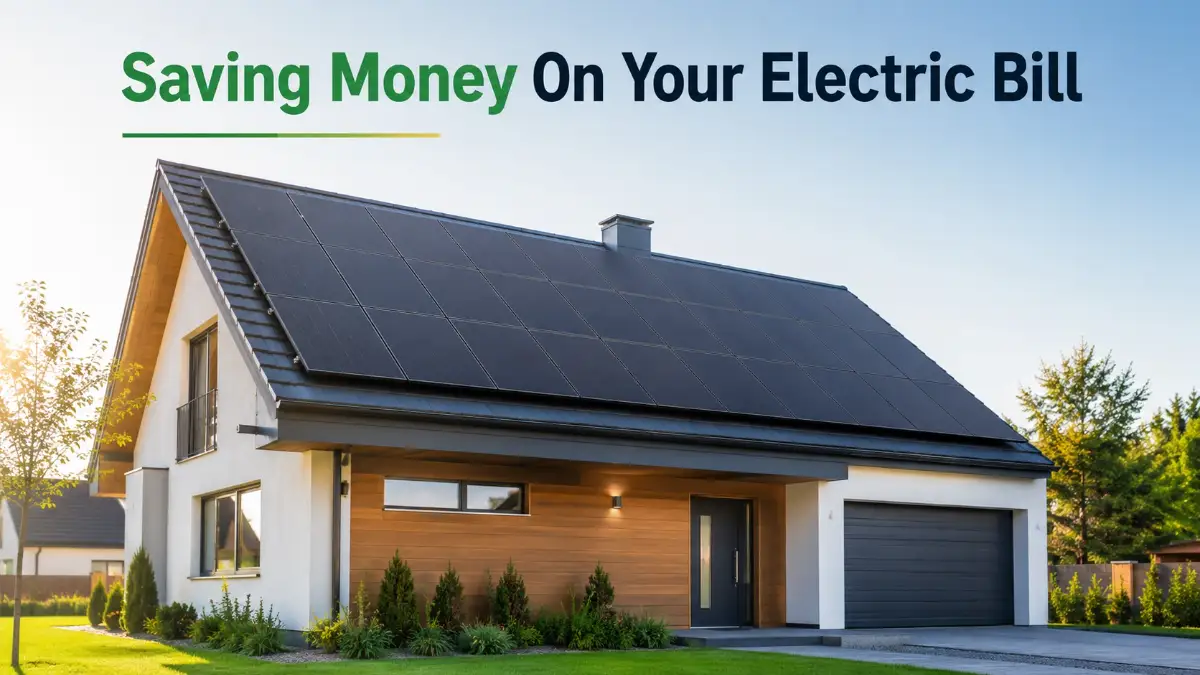
Shattering the Illusions: What They Do Not Tell You About Home Solar
We are going to tackle these common misunderstandings head-on. No complicated jargon, no high-pressure sales pitches—just pure, logical facts you can actually use to make a smart decision for your property.
The Fiction: Going Solar Requires a Massive Mountain of Cash
This is easily the biggest fear that stops homeowners dead in their tracks. People assume that installing solar panels requires writing a massive check upfront.
You might picture a price tag of thirty or forty thousand dollars and immediately think, "I can never afford that." This assumption is based on an outdated reality from a decade ago.
The truth is entirely different today. You do not need to empty your hard-earned savings account to get solar panels on your roof.
The Reality of Modern Solar Financing
Most people who transition to solar power do not pay cash upfront. The industry has evolved to offer incredibly flexible financing options designed specifically for regular household budgets.
Solar loans are now the standard path for most middle-class families. These specialized loans often require zero money down to get started.
Instead of paying your utility company a high, unpredictable rate every month, you pay a fixed loan amount. In many cases, that monthly loan payment is actually lower than your old electric bill.
This means you start seeing savings almost immediately. You are simply swapping a bad bill for a better, predictable payment that eventually ends.
Of course, before you even look into financing, you should make sure your home is as energy-efficient as possible. It makes no sense to put a brand new energy system on a home that leaks power.
Taking a few simple steps to insulate your home can drop your required system size dramatically. In fact, checking out our guide on Easy Ways to Reduce Household Energy Waste Before Going Solar is a great first move to maximize your financial investment.
The Fiction: Panels Are Completely Useless on Cloudy Days
Have you ever heard someone say that solar energy only works in the desert? This is a very common objection, especially from folks living in regions with long rainy or snowy seasons.
The logic seems sound at first glance. If there is no bright, direct sunlight hitting the roof, the panels cannot possibly make electricity, right?
This is a fundamental misunderstanding of how photovoltaic technology actually operates. Solar panels do not need perfect, blinding sunshine to generate steady power.
The Sunburn Analogy
Think about a trip to the beach on an overcast day. Even if the sky is completely gray and you never see the actual sun, you can still get a terrible sunburn.
Why does this happen? Because ultraviolet (UV) light penetrates right through the clouds.
Solar panels work on a very similar principle. They capture different spectrums of light, including the UV light that easily pushes through heavy cloud cover.
Yes, their energy production drops when the sky is dark and stormy. But they certainly do not shut down completely.
Some of the highest rates of solar adoption in the world are in places known for terrible weather. Germany, for example, is a global leader in solar energy production, despite having a climate similar to the gloomy Pacific Northwest.
According to research from the National Renewable Energy Laboratory (NREL), a leading U.S. government research center, solar panels continue to harness diffuse sunlight effectively even during less-than-ideal weather conditions. Their data confirms that modern solar technology remains highly resilient across wildly different climate zones.
The Fiction: The Installation Process Will Destroy Your Roof
Your roof is one of the most expensive and important parts of your house. The idea of drilling dozens of holes into it sounds like a recipe for a massive water leak.
Many homeowners imagine aggressive contractors tearing up their pristine shingles and causing permanent structural damage. The fear of waking up to rainwater dripping onto the living room couch is very real.
However, professional solar installation is basically an exact science at this point. Legitimate installers do not just randomly hack into your roofing materials.
Engineering Over Guesswork
When panels are attached to a standard shingle roof, installers use specialized mounting hardware. These heavy-duty mounts are secured directly to the strong wooden rafters underneath, not just the flimsy surface shingles.
Every single penetration point is sealed with heavy-duty metal flashing. This flashing slides neatly under the shingles, directing rain naturally down the slope of the roof, completely bypassing the drilled hole.
Industrial-grade sealants are applied over and under these areas to ensure a perfectly watertight barrier. When done right, the system is incredibly secure.
Interestingly, having solar panels can actually protect the section of the roof they cover. The sturdy panels take the brutal beating from hail, heavy rain, and harsh UV rays instead of your fragile shingles.
They also provide a layer of deep shade. This shade prevents the sun from baking your attic, which can actually help keep your house naturally cooler during those brutal summer heatwaves.
The Fiction: You Absolutely Must Buy Expensive Batteries
If you are still a little confused about how your house shares power with the local grid, watch this quick video below to see exactly how net metering puts money back in your pocket. Once you finish watching, keep reading to find out why modern solar panels actually make your home sell much faster!
When people think about generating their own power, they imagine a garage filled with giant, expensive battery banks. They assume that without a battery, the solar panels are useless at night.
While home solar batteries are becoming more popular, they are completely optional for the vast majority of homeowners. You absolutely do not need a battery to make solar power work for you.
The Grid As Your Invisible Battery
Almost all residential solar setups are tied directly into the local public utility grid. This reliable connection acts as an invisible, limitless storage system for your extra electricity.
During a bright afternoon, your panels will likely produce much more electricity than your house is currently using. That extra power does not just disappear into thin air.
It is sent backward through your electric meter and pushed out into the public grid. Your utility company then credits your account for that extra generated power.
When the sun goes down and your panels stop producing, your house automatically pulls electricity from the normal grid. You then use those earned daytime credits to pay for your nighttime power usage.
This exact process is known as net metering, and it is the financial backbone of modern home solar. To get a better grasp on this daily cycle, you should read our breakdown on From Sunrise to Sunset: How a Residential Solar Power System Works Step by Step.
The Fiction: Solar Panels Are Ugly and Ruin Property Value
Another massive hurdle is the visual aspect. Ten or fifteen years ago, solar panels were bulky, featured thick silver frames, and sat awkwardly high off the roof.
People worried their home would look like a strange science experiment. They also feared that potential buyers would hate the look, making the house impossible to sell in the future.
Sleek Designs and Market Demand
Today, solar hardware has undergone a massive aesthetic upgrade. Most premium panels now feature a sleek, all-black design with dark frames and securely hidden wiring.
Professional installers mount them with a very low profile, so they hug the roofline tightly. Instead of looking like messy industrial equipment, they look like a premium, modern architectural feature.
When it comes to property value, the real estate market speaks clearly. Buyers love the idea of moving into a home that promises low or nonexistent electric bills.
Multiple real estate studies have shown that homes with owned solar systems actually sell much faster. They also tend to command a premium price compared to similar homes without green energy upgrades.
The Fiction: The Technology Will Be Obsolete Tomorrow
Some careful homeowners decide to wait. They think, "Technology moves so fast. If I buy panels today, they will be outdated junk by next year."
They compare solar panels to smartphones or laptop computers. You buy a phone today, and two years later, it feels agonizingly slow and needs to be replaced.
A Stable, Proven Power Source
Solar technology does not age like a smartphone. The core physics of turning sunlight into electricity is a stable, established science that has been proven over decades.
Yes, manufacturers slowly improve efficiency by small fractions over time. But a solar panel built today will not suddenly stop producing power just because a slightly newer model comes out next spring.
Standard solar panels are guaranteed to perform at a high level for twenty-five years or more. If you wait five years for slightly better technology, you simply lose five years of immediate financial savings.
The electricity you generate today is just as valuable as the electricity you might generate a decade from now. Waiting on the sidelines usually costs much more than taking action.
The Real First Step Toward Energy Independence
Now that we have cleared away the fog of misinformation, your path forward is much brighter. You do not have to rely on neighborhood rumors or aggressive internet comments anymore.
The reality is that residential solar power is a straightforward, reliable, and financially accessible upgrade for millions of homes. You just need to approach the process with clear eyes and highly factual knowledge.
Your next move should not be rushing into signing a contract. Instead, focus on gathering hard data specific to your own home and your own personal energy usage.
Look at your last twelve months of utility bills. Find your average kilowatt-hour usage across both the hot and cold seasons.
This specific number is the only true starting point for building a system that perfectly fits your needs. Once you have that exact number, you hold the power in any conversation with a local solar installer.
Taking Total Control of Your New Energy System
You already know the real facts, and the old fears are finally gone. Now it is time to look at how smart homeowners actually use their systems to squeeze out every single drop of savings. Getting the equipment securely mounted on your roof is really just the beginning of the journey.
To truly master your home energy usage, you have to change how you think about electricity. You are no longer just a passive consumer buying power from a massive corporation. You are now the manager of your very own personal power plant.
The Art of Shifting Your Daily Power Habits
Most regular folks run their heavy household appliances at night right after they get home from a long day at work. They start the noisy dishwasher, do heavy loads of laundry, and crank up the central air conditioning. This old habit completely misses the point of generating your own daylight power.
If you want to see your monthly utility bill drop to near zero, you need to shift those heavy loads to the daytime. Run your pool pump or start the big washing machine right around noon when the sun is highest in the sky. You are literally powering those demanding machines for free directly from your own roof.
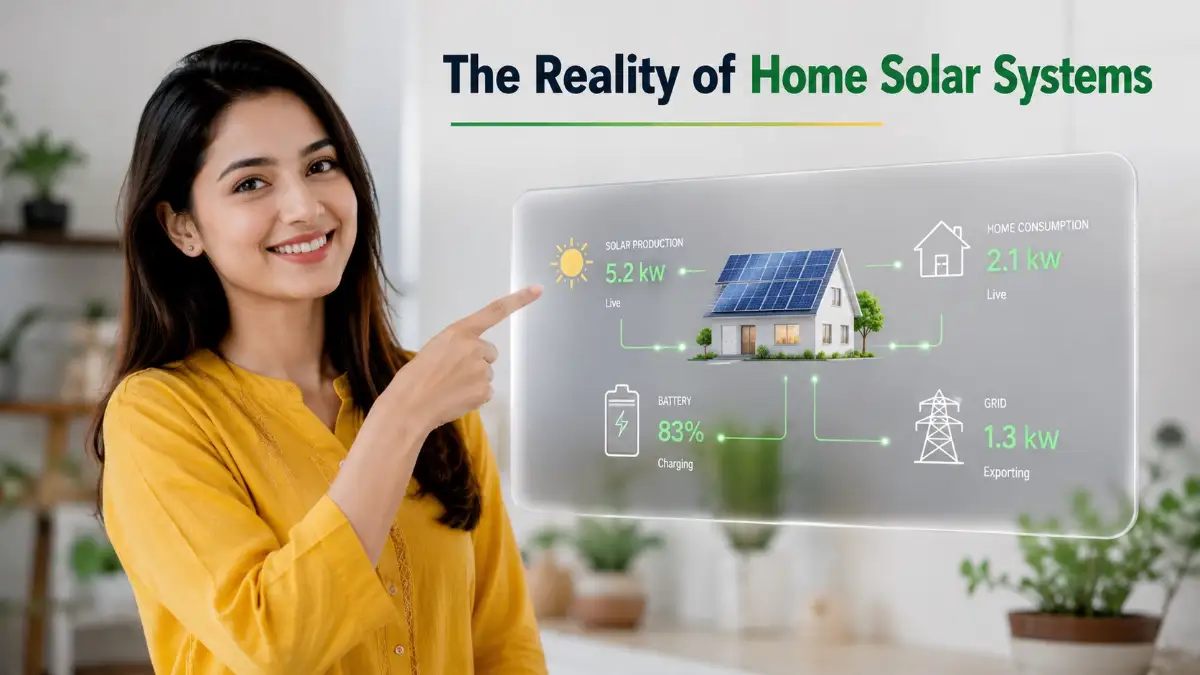
Modern technology makes this habit shift incredibly easy. Almost every new system comes with a smart monitoring application you can install right on your phone. You can sit on your living room couch and actually watch the raw power flowing from the sun down into your television.
Watching those real-time numbers turns saving energy into a fun daily game. You quickly learn exactly which appliances drain the most power and exactly when to use them for maximum free energy.
Nailing the Perfect Hardware Placement
Your roof might look perfectly flat and bright from the street, but not every angle catches raw sunlight the exact same way. Placing your expensive equipment on a deeply shaded side of the house is a massive waste of potential power. You need to map out where the sun actually hits your property across the entire day.
To really understand how to maximize sun exposure and avoid hidden shade traps, you must read our detailed breakdown on A Practical Guide to Choosing the Right Location for Solar Panels on Your Property. Doing this simple groundwork ensures your new equipment actually performs at the absolute highest level.
According to the official home energy planning guidelines published by the U.S. Department of Energy, proper geographical orientation and tilt can increase your overall energy production by a highly significant margin. A very slight adjustment in the angle during installation can mean hundreds of extra dollars in your pocket over time.
Keeping Things Crystal Clear and Running Smoothly
A very persistent rumor claims you have to climb up on your dangerous roof every single weekend to scrub the glass. This simply is not true at all. However, totally ignoring the physical condition of your outside equipment will slowly eat away at your long-term savings.
A thick layer of heavy spring pollen or dusty highway dirt can eventually block out the raw sunlight. Thankfully, a good, heavy rainstorm will usually wash most of this natural debris right off the incredibly slick glass surface.
If you live in a very dry, dusty area with little to no seasonal rain, you might need to take action. Hiring a professional cleaning service once a year is usually more than enough to keep everything running perfectly. Never climb up there with a heavy bucket of soapy water yourself, as it is incredibly dangerous.
The Heartbreaking Mistakes That Ruin the Solar Dream
We need to have a very serious conversation about the dark side of this growing industry. While the green technology is amazing, the actual buying process can easily turn into a complete nightmare. I have seen far too many excited families make poor split-second decisions that leave them trapped in terrible financial contracts.
Signing Major Contracts Under Massive Pressure
Imagine a friendly, fast-talking salesperson knocks on your front door on a random Tuesday evening. They sit right at your dining table, run some quick, confusing numbers, and promise you the absolute world. Then, they push a digital tablet in your face and tell you the special discount permanently expires at midnight.
This is a classic high-pressure sales tactic designed entirely to stop you from doing your own independent research. Never sign a legal contract on the very first meeting with any contractor. A legitimate, highly trustworthy installation company will always give you plenty of quiet time to review the paperwork and ask deep questions.
The Federal Trade Commission clearly warns consumers about aggressive solar sales pitches that push rushed decisions. They highly recommend getting multiple written estimates and aggressively checking the background of any company before signing your name on the dotted line.
Miscalculating Your Actual Power Needs
Another incredibly painful mistake is rushing the sizing phase of your custom project. Some eager homeowners buy a massive, overly expensive setup that produces way more power than they will ever practically use. They end up paying heavy loans for extra capacity that simply goes to waste on the grid.
On the exact flip side, others try to save money upfront by purchasing a tiny, underpowered setup. They expect this incredibly small array to magically cover all their heavy summer usage, only to open a massive utility bill the very next month. You absolutely have to match your exact historical electrical usage to the specific hardware you buy.
The biggest mistake I almost made was trying to guess my daily power usage instead of looking at my actual bills. Trust me on this one: grab a calculator and add up your exact kilowatt-hours from the last twelve months before you even talk to a salesperson. That simple step alone saved me from buying a system that was way too big for my family's actual needs.
If you are wondering exactly how to perfectly balance these numbers, our comprehensive guide on Can Solar Panels Power an Entire House? Factors That Make the Biggest Difference will show you the exact, easy math. You must deeply understand your own daily usage habits before you spend a single dollar on new hardware.
Ignoring the Fine Print of Long-Term Leasing
Many aggressive neighborhood salespeople push solar leases because the terms sound perfectly amazing on a shiny brochure. They offer free immediate installation and promise you will just pay a low, flat monthly fee for the generated power. What they usually hide from you is the harsh, long-term reality of that binding contract.
When you sign a lease, you do not actually own the physical equipment sitting on your own home. The massive leasing company claims all the valuable government tax credits and financial incentives entirely for themselves. You just become a renter of the equipment stuck to your own rafters.
If you ever decide to sell your home, transferring a heavy, twenty-year solar lease to the brand new buyer can completely ruin the real estate deal. Owning your system directly with a standard, predictable loan is almost always the safer, smarter financial path for building real household wealth.
Forgetting to Check Your Neighborhood Rules
Homeowner Associations (HOAs) can be incredibly strict when it comes to changing the outside appearance of your house. Many excited homeowners sign a contract and schedule an installation date without ever talking to their neighborhood board. This simple oversight can lead to massive legal fines and forced removal of your new equipment.
Some neighborhood boards have outdated, rigid rules about where panels can be placed on the property. Even if your state has laws protecting your right to generate green power, fighting an angry HOA board is a highly stressful nightmare. Always submit your exact architectural plans to the board and get written approval before any worker steps foot on your property.
Your Action Plan for Tomorrow
You now hold the exact knowledge needed to completely avoid the hidden traps that catch most first-time buyers off guard. The heavy confusion is gone, the silly myths are busted, and the clear path to lower energy bills is wide open. You are no longer an easy, uneducated target for fast-talking salespeople or scary internet rumors.
Generating your own clean, quiet power is easily one of the smartest, most rewarding upgrades you can ever make to your property. It gives you deep, lasting peace of mind knowing you are physically protected from endless, unpredictable utility rate hikes. It feels absolutely amazing to step outside and watch your electric meter spin backward on a bright, sunny afternoon.
Your Simple, Stress-Free Checklist
Let us turn this fresh, powerful knowledge into actual momentum for your household. You definitely do not need to rush out and buy anything today or even tomorrow. Instead, follow this incredibly simple, low-stress checklist to get the ball rolling safely.
First, dig through your files and find your last twelve electric bills. Calculate your total kilowatt-hour usage for the entire past year. This specific number is your golden ticket, and it is the only way to get a truly honest quote from any builder.
Second, start paying close attention to your roof during different times of the day. Notice exactly where the heavy shadows fall from nearby tall oak trees or your neighbor's tall chimney. You will quickly learn to spot the bright, sunny sweet spots where the raw light hits the hardest.
Finally, reach out to three different local, highly-rated installation companies to ask for introductory quotes. Tell them your exact power usage from last year and watch how they design the layout. Compare their final prices, read their online customer reviews, and choose the calmest team that treats you with the most respect.
A Final Word of Encouragement
Taking the big leap into self-generated residential power might feel a bit intimidating right now. That slightly nervous feeling is completely normal whenever you decide to upgrade your beloved home in a major way. Just take the entire process one simple, highly educated step at a time.
Talk to friends or neighbors who already have panels installed and ask them what they learned. Real-life experiences from people in your own zip code are worth their weight in gold. They can often recommend the absolute best local installers and warn you away from the bad ones.
Trust the hard facts, trust your own careful research, and do not let outdated fear hold you back from energy independence. Your future self will definitely thank you when those incredibly tiny electric bills finally start showing up in the mail.
Taking that first step toward solar was honestly one of the best choices I have ever made for my family and my wallet. Seeing a ten-dollar electric bill in the middle of a blazing hot summer still makes me smile every single time. Take a deep breath, trust your research, and get ready to enjoy the amazing feeling of making your very own power!
Disclaimer: The information provided in this article is for educational and informational purposes only and does not constitute financial, legal, or professional advice. Energy rates, solar incentives, and equipment costs vary widely by location. Always consult with a licensed professional and review local regulations before making major financial decisions regarding home energy systems.
About the Author
Munira Parveen is a dedicated Digital Content Strategist and Lead Researcher with a passion for simplifying complex topics. From navigating personal finance and emerging tech trends to uncovering the best practical lifestyle solutions, she spends her time analyzing data to bring readers highly accurate, actionable, and easy-to-understand guides. Her ultimate goal is to empower everyday people to make smarter, more informed decisions in this fast-paced digital world.