The Secret Anxiety Driving Every New Electric Car Owner
I remember the exact moment I started questioning my decision to buy an electric car. I was so excited until a friend pulled me aside and told me a horror story about their massive battery repair bill that left me terrified I had made a huge mistake. For weeks, I found myself constantly checking my dashboard, feeling that same pit in my stomach every time the battery percentage dropped. It took me a long time to realize that my fear was mostly built on myths, not the reality of owning these amazing machines.
Imagine you are sitting at a local coffee shop with a close friend. You excitedly tell them you are thinking about finally making the switch to an electric car. Almost instantly, their face drops.
They lean in and tell you a horror story about someone who had to spend a massive amount of money replacing their entire car battery just a short time after buying it. You feel your excitement drain away instantly. This single conversation is exactly why so many people hesitate to drive an electric car today.
We hear these scary stories all the time. People worry that their expensive new car will suddenly become a useless piece of metal on the side of the highway. There is a deep, lingering fear that you will run out of power in the middle of nowhere.
This feeling is completely normal. When you spend your hard-earned money on a vehicle, you want peace of mind. You want to know that your car will actually start in the morning and safely get you home at night.
The fear of battery failure causes genuine daily stress for many new owners. They stare at their dashboard battery percentage the same way they stare at a dying phone battery. Every drop in percentage feels like a step closer to disaster.
But what if I told you that most of this anxiety is based on outdated information? The stories you hear are often completely detached from reality. We carry around ideas about batteries based on old laptops and cheap smartphones.
Today, we are going to look at exactly what is going on under the hood of a modern electric car. We will separate the rumors from the actual science. You might be surprised to find out how much of your worry is completely unnecessary.
Decoding the Electric Truth: What Science Actually Says
When we start looking closely at electric vehicle technology, a very different picture emerges. The actual engineering behind these massive battery packs is nothing short of incredible. Let us walk through the most common fears and look at the actual facts.
We will break down these complex engineering concepts into simple, everyday ideas. You do not need a degree in electrical engineering to understand how your car works. You just need the right information.
The Smartphone Comparison Trap
Still worried that your car battery will die just like an old smartphone? Watch this simple breakdown to see why modern EV batteries are actually built to last for years.
The most common mistake we make is comparing our cars to our cell phones. We all know the pain of having a smartphone that barely holds a charge after a while. You assume your car will suffer the exact same fate.
However, this is a completely flawed comparison. Your smartphone is designed to be as thin and light as possible. It has zero active cooling systems to protect its internal battery.
When you use your phone heavily, you can feel it getting hot in your hands. Heat is the ultimate enemy of any lithium-ion battery. Your phone just sits there and bakes in its own heat, causing the internal cells to break down rapidly.
Electric cars are built completely differently. They feature advanced liquid thermal management systems. This means they have a complex network of cooling and heating fluids wrapping around the battery cells.
If the battery gets too hot during a drive, the car actively cools it down. If the battery gets too cold on a freezing winter morning, the system gently warms it up. This constant temperature control protects the cells from the kind of damage your phone suffers every day.
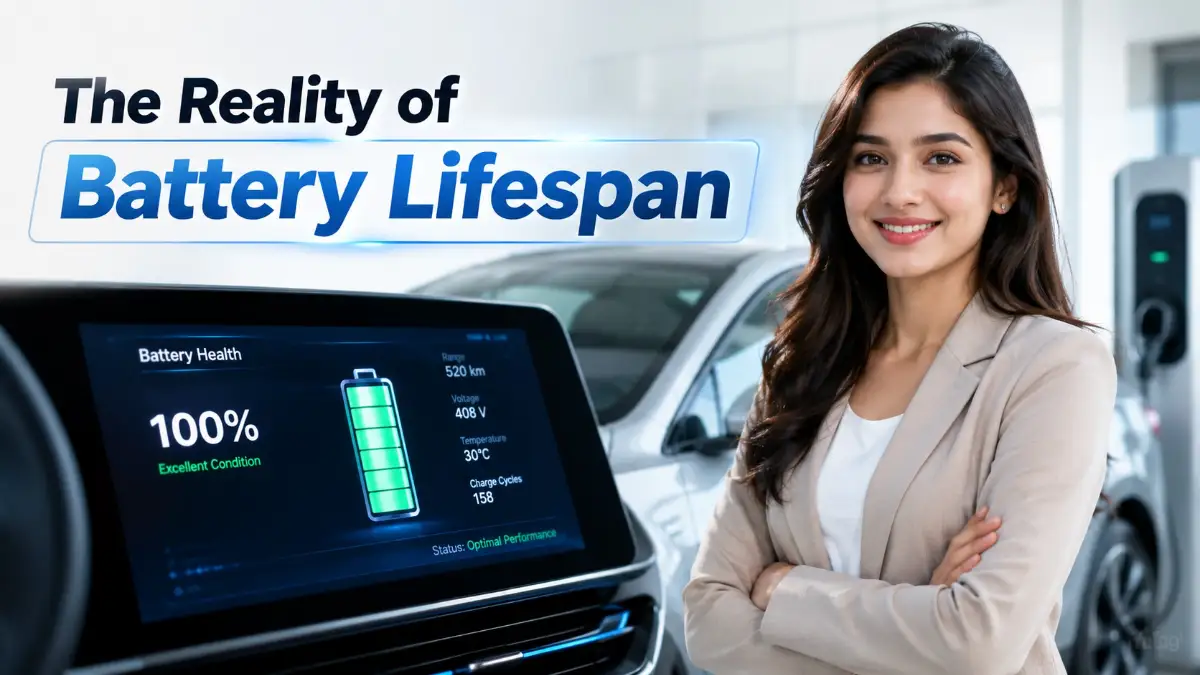
Because of this active management, your car battery is protected like a baby in an incubator. Real-world data from organizations like the National Renewable Energy Laboratory (NREL) shows that modern electric vehicle batteries outlast the physical body of the car itself. They do not just die randomly.
The Myth of Daily Range Anxiety
Let us talk about range anxiety. This is the nervous feeling you get when you think you will not have enough power to finish your trip. People imagine themselves stranded on a dark road in the rain.
The media loves to highlight stories of people running out of power during extreme cross-country road trips. But how often do you actually drive across the country? We need to look at our actual daily driving habits.
Most drivers travel less than forty miles a day for their normal commute. Even the most basic electric cars on the market today offer more than enough range to cover this distance multiple times over. You could drive to work, go to the grocery store, pick up the kids, and come home without ever getting close to empty.
The beauty of an electric car is that you leave your house with a "full tank" every single morning. Think about how much easier life is when you never have to visit a dirty gas station again. Setting up your own charging point is highly manageable and changes everything.
If you are curious about exactly how to get this set up, I highly recommend checking out our comprehensive guide on Charging an Electric Car at Home: A Step-by-Step Setup Guide for First-Time Owners. It makes the entire process incredibly simple. You just plug the car in when you go to sleep, just like you do with your phone.
I used to think that keeping my car plugged in to hit one hundred percent was the best way to start my day, but I was actually hurting my battery’s health. Once I started setting my limit to eighty percent and stopped worrying about "topping off" like a gas car, my charging routine became completely stress-free. It was a simple shift in habit, but it honestly gave me so much peace of mind knowing I was treating my investment the right way.
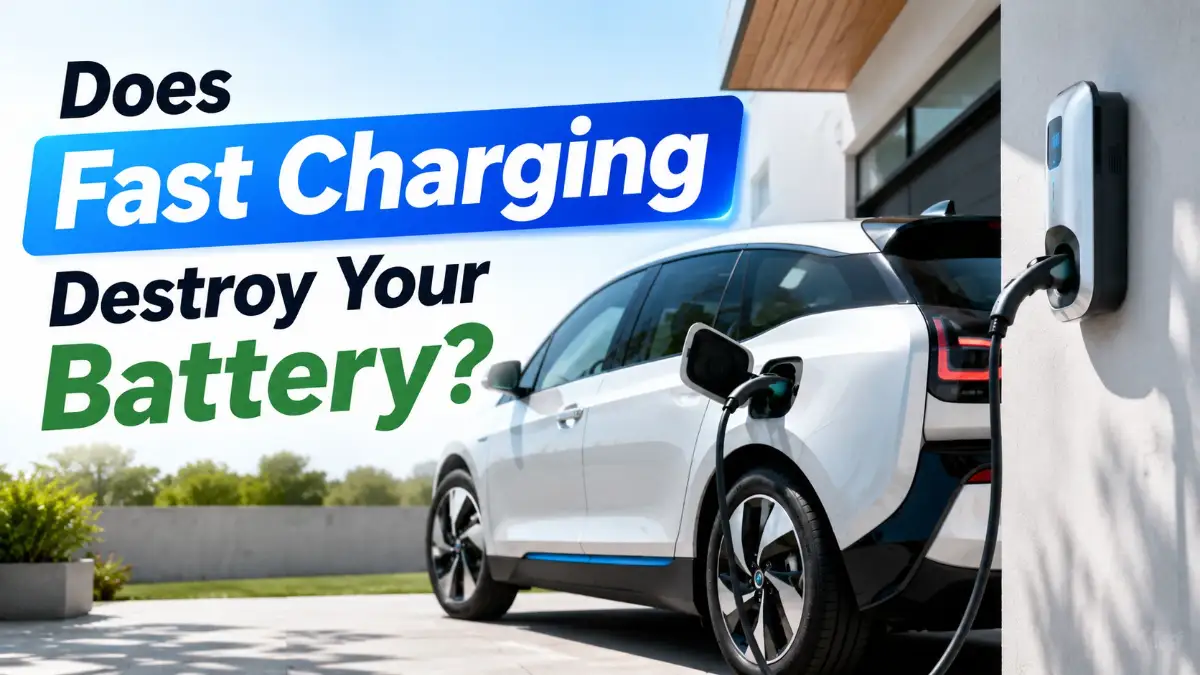
Does Fast Charging Destroy Your Car?
Another massive rumor is that using public fast chargers will instantly ruin your battery life. People say that forcing that much electricity into a car is unnatural and damaging. Once again, this comes from a misunderstanding of how the car protects itself.
Think about drinking a massive glass of water when you are extremely thirsty. If you try to chug the whole thing in one second, you will choke. But if you drink quickly at first, and then slow down as you get full, you will be perfectly fine.
Your electric car has a brilliant piece of software called a Battery Management System. When you plug into a massive fast charger, the car communicates with the charger. The car dictates exactly how much power it can safely swallow at any given second.
When the battery is mostly empty, it can accept power incredibly fast without causing heat damage. But as the battery fills up past the eighty percent mark, the car intentionally slows the charging speed down to a trickle. This built-in safety net makes it physically impossible for the charger to overwhelm and destroy the battery.
While it is true that you should not rely exclusively on fast charging every single day of your life, using it for road trips is completely safe. The car is smart enough to protect itself from your worst charging habits.
The Truth About Cold Weather Performance
Many people living in colder climates firmly believe that electric cars are useless in the snow. They hear that freezing temperatures cut the driving range in half. Let us look closely at what cold weather actually does to the vehicle.
It is a basic scientific fact that chemical reactions slow down when the temperature drops. Cold weather makes the battery temporarily sluggish. However, the cold does not permanently steal or destroy your battery capacity.
The main reason you lose range in the winter is not just the cold battery. It is because you are blasting the electric heater to keep your toes warm. In a traditional gas car, the engine wastes so much heat that they just blow that waste heat into the cabin.
An electric motor is so efficient that it generates almost no waste heat. Therefore, the car has to use actual battery power to run a dedicated heater. This extra energy drain is what reduces your total driving distance.
Modern cars solve this problem using high-tech heat pumps. These pumps are incredibly efficient at warming the cabin without draining the battery heavily. Plus, you can pre-heat your car while it is still plugged into your house in the morning.
Pro Tips for Maximum Battery Health
Now that we know the major myths are just misunderstandings, how should you actually treat your car? The rules for battery longevity are actually beautifully simple. You do not need to overthink your daily routine.
First, try to keep your daily charge limit set to eighty percent. Unless you are going on a long road trip, you really do not need a completely full battery every day. Keeping the battery slightly below completely full takes the physical pressure off the internal cells.
Second, avoid letting the car sit at a zero percent charge for days at a time. If you run the battery all the way down, try to plug it in as soon as you get home. It is very similar to how your body feels better when it is not starving for food.
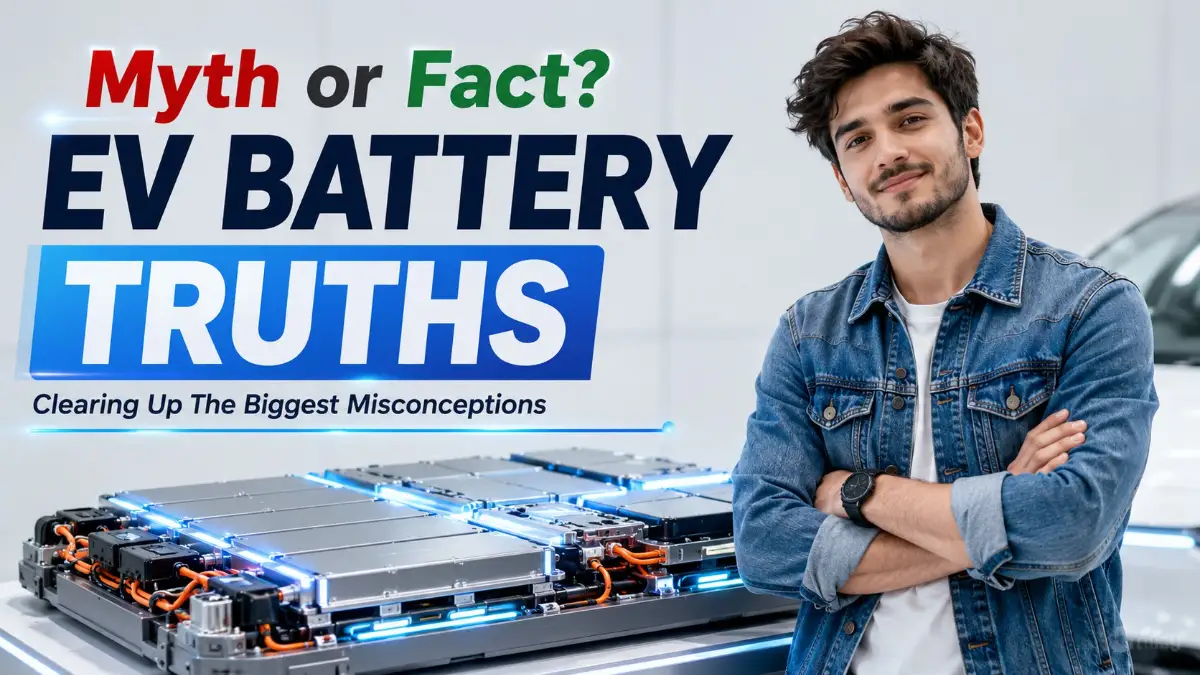
If you want to dive deeper into exactly how these small habits protect your investment, we have exactly what you need. You should definitely read The Beginner's Guide to Understanding EV Battery Health and What Affects It Every Day to master these easy daily routines.
Ultimately, driving an electric car should be a peaceful, quiet, and enjoyable experience. The technology is remarkably advanced and designed to protect itself. You can finally stop worrying about the battery dying and just enjoy the smooth ride.
Do not let outdated rumors keep you stuck in the past. The facts show that these batteries are durable, smart, and ready for real-world daily life. Once you understand the truth, range anxiety quickly becomes a thing of the past.
Insider Secrets to Maximize Your Electric Car Battery
Now that we have cleared up the biggest everyday myths, it is time to look at how you can actually take control. Taking care of a modern electric vehicle is remarkably easy once you know a few expert secrets. You do not need to be a mechanic to keep your car running perfectly for years.
The goal here is simple and stress-free ownership. I want you to feel completely confident every single time you sit behind the wheel. Let us explore some powerful daily habits that will protect your expensive investment.
These pro-level tips are used by seasoned electric vehicle owners everywhere. They are easy to implement and take almost zero extra time out of your day. By making these tiny adjustments, you will keep your battery healthy far beyond its warranty period.
The Magic of the Middle Charge Zone
One of the smartest things you can do for your car is completely change how you view a "full tank." We are all deeply programmed by gas cars to fill up all the way to the top. However, lithium-ion battery cells actually prefer to live in the middle ground.
Think about how you feel after eating at a massive buffet. If you eat until you are completely stuffed to the absolute limit, you feel heavy, sluggish, and uncomfortable. Your electric car battery feels exactly the same way when it sits at a hundred percent.
The absolute sweet spot for daily driving is keeping your charge between twenty and eighty percent. This specific range puts the least amount of physical pressure on the internal chemical structure of the cells. You can easily tell your car's computer to automatically stop charging when it hits the eighty percent mark.
Mastering the Art of Pre-Conditioning
This next tip is a genuine game-changer for anyone who lives in areas with extreme weather. The secret is a feature called "pre-conditioning," and it will transform your daily commute. Almost every modern electric car has a mobile app that allows you to control the car from your phone.
Before you leave your house in the morning, while the car is still plugged into the wall, turn on the climate control. The car will pull electricity directly from your house grid to warm up or cool down the cabin. This means you do not waste your stored battery power making the car comfortable.
More importantly, the car also warms up or cools down the actual battery pack during this time. A battery that is at the perfect temperature before you even start driving will operate with incredible efficiency. This simple morning habit directly influences Why Some Electric Cars Charge Faster Than Others and the Key Factors Behind It, as a properly warmed battery can accept power much more smoothly.
Smart Parking Strategies for Extreme Weather
Where you park your car during the day matters much more than you might realize. Extreme heat is the quiet enemy of long-term battery health. When a battery sits baking in the hot summer sun for hours, the cells can experience unnecessary wear and tear.
If you have the option, always choose a shaded parking spot during the hottest parts of the afternoon. Parking in a covered garage is the ultimate protective measure you can take. Keeping the physical temperature of the car down reduces the amount of work the internal cooling system has to do.
You can actually read more about how ambient temperature impacts cell longevity through the U.S. Department of Energy guidelines on battery life. Their dedicated research shows that simply parking in the shade can add years of healthy performance to your vehicle. It is a completely free habit that offers massive long-term rewards.
Real-Life Scenario: The Commuter’s Routine
Let us imagine a daily routine that perfectly supports long battery life. You come home from work at six in the evening with about forty percent charge left. You plug your car into your home charger and walk inside to enjoy your evening.
Overnight, the car quietly charges up to exactly eighty percent and then gently goes to sleep. At seven in the morning, you tap your phone screen to warm up the cabin while drinking your coffee. You step into a perfectly warm car, with a perfectly conditioned battery, ready to tackle the day.
This entire process takes less than ten seconds of your actual time. Yet, these small actions compound over months and years to keep your vehicle running like it just rolled out of the factory.
Everyday Habits That Slowly Harm Your Electric Vehicle
Even with a smart car that protects itself, human behavior can sometimes get in the way. People often carry over bad habits from driving gas cars or using old electronics. These mistakes will not instantly destroy your car, but they will slowly steal your driving range over time.
We need to talk about the emotional and financial cost of these simple errors. Replacing a degraded battery pack outside of your warranty coverage is an incredibly expensive nightmare. Avoiding these common traps is the easiest way to protect your wallet and your peace of mind.
I see new owners making these same predictable mistakes every single day. They usually mean well, but they simply do not understand what the car actually needs. Let us break down the biggest pitfalls you need to avoid at all costs.
The "Always Full" Misconception
The most common trap is plugging the car in every single time you stop, aiming for that hundred percent mark. People feel a strange sense of comfort only when the dashboard shows a completely full battery. They will leave the car plugged in at maximum capacity for days on end.
When a battery is completely full, the chemical energy inside is highly compressed. Imagine stretching a rubber band as far as it can possibly go and just leaving it there for a week. Eventually, that rubber band is going to lose its elasticity and become permanently damaged.
If you are about to leave for a massive cross-country road trip, filling up to the top is perfectly fine. The car will use that energy immediately as you start driving, relieving the internal pressure. But letting a fully charged car sit perfectly still in your driveway all weekend is a terrible idea.
The Deep Drain Disaster
On the opposite end of the spectrum is the dangerous habit of letting your battery hit absolute zero. Some drivers treat their electric car like a smartphone, letting it die completely before plugging it in. This is a massive shock to the complex electrical system inside your vehicle.
When you consistently drive your car down to one or two percent, the battery cells become incredibly stressed. The car will usually go into a restrictive "turtle mode" to protect itself, drastically limiting your speed. This is a clear warning sign from the vehicle that it is actively suffering.
An even bigger mistake is leaving the car nearly empty while you go away on vacation. Even when turned off, the car uses a tiny bit of power to keep its computers awake. If you leave it at five percent and fly away for two weeks, it might drop to zero and cause permanent cell damage.
The Fast Charging Trap
We all love the convenience of massive public fast chargers that can fill your car in minutes. However, treating these stations as your primary, daily source of electricity is a major misstep. These powerful stations force electricity into the battery at extremely aggressive speeds.
This aggressive process generates a significant amount of heat inside the battery pack. While your car's cooling system works hard to manage this heat, doing it every single day causes cumulative stress. It is closely tied to Common EV Charging Mistakes That Can Slow Down Performance Over Time, which many drivers only realize when it is too late.
If you are relying heavily on fast chargers just because they are located near your favorite grocery store, you might want to rethink your routine. Save the super-fast charging sessions for actual road trips where you genuinely need them. For your daily city driving, slow and steady home charging is always the safest path.
According to data collected by experts, consistent reliance on extreme fast charging can accelerate capacity loss. You can look into Geotab's extensive research on EV battery degradation to see how different charging speeds affect long-term health. The data clearly shows that gentle, overnight charging is the absolute best diet for your vehicle.
Your Roadmap to Stress-Free Electric Driving
Transitioning to an electric car is a beautiful step forward into the future of driving. It is completely normal to feel a little nervous about the technology at first. But as we have explored today, these machines are incredibly smart, resilient, and designed to make your life easier.
You now possess the knowledge that most drivers take years to figure out. You understand how the battery thinks, how it breathes, and exactly what it needs to thrive. The old fears of suddenly running out of power or destroying your battery are officially behind you.
A Quick Checklist for Tomorrow Morning
Tomorrow is a brand-new day to start treating your electric vehicle right. I want you to step into your car and change one simple setting on your dashboard. Find the charging menu and set your daily maximum limit directly to eighty percent.
Next, try to plug your car in when you get home, just like you dock your smartphone before bed. Make it a mindless habit that you do not even have to think about anymore. Wake up to a perfectly conditioned car and enjoy the smooth, silent, and powerful ride.
You hold the keys to a brilliant piece of modern engineering. Treat it with a little bit of mindful care, and it will safely carry you for hundreds of thousands of miles. Drive with total confidence, knowing your battery is built to last.
Moving to an electric car has been one of the best decisions I have ever made for my daily commute. I want you to feel that same confidence I have now, so stop letting those old myths hold you back and just take that first step toward a smarter way of driving. Trust the technology, follow these simple habits, and I promise you will never look back at a gas station again.
Disclaimer: This article is for informational and educational purposes only. Battery performance and range can vary greatly depending on your specific vehicle model, local weather conditions, and personal driving habits. Always consult your official vehicle owner's manual for specific safety instructions and manufacturer-approved charging guidelines.
About the Author
Munira Parveen is a dedicated Digital Content Strategist and Lead Researcher with a passion for simplifying complex topics. From navigating personal finance and emerging tech trends to uncovering the best practical lifestyle solutions, she spends her time analyzing data to bring readers highly accurate, actionable, and easy-to-understand guides. Her ultimate goal is to empower everyday people to make smarter, more informed decisions in this fast-paced digital world.