The Moment I Realized I Was Killing My Car Battery
I remember the morning clearly when I noticed my brand new electric car wasn't acting right. I had only owned it for about six months, but the range seemed to be dropping faster than usual. I used to get to work and back with plenty of power left, but suddenly, I was biting my nails watching the percentage drop. I felt a real sense of panic, wondering if I had bought a lemon or if the battery was already failing.
It turns out, the problem wasn't the car at all; the problem was me and my bad habits. I was treating my EV just like my old gas car, and that was a huge mistake. I thought I was being smart by keeping it topped up to 100% every single night. I also loved using those super-fast chargers every time I went to the grocery store because they were convenient.
My stress levels were through the roof because I didn't understand why my expensive investment was losing its edge. I felt like I was failing at being a "tech-savvy" car owner, and the thought of an expensive battery replacement kept me up at night. I spent weeks reading manuals and talking to experts to figure out what I was doing wrong.
What I found out changed everything for me, and I want to share those lessons with you. Most people don't realize that EVs need a different kind of love than traditional vehicles. If you feel like your car is getting slower or your battery is draining too fast, you are not alone. It’s a common struggle that many of us face in this new world of electric driving.
We often think that more charging is better, but in the world of lithium-ion batteries, that isn't always true. I had to unlearn everything I thought I knew about "fueling" my vehicle. The good news is that once you understand these mistakes, you can fix them easily. You can get that performance back and make sure your car stays healthy for years to come.
Why Charging to 100% Every Day Is a Bad Idea
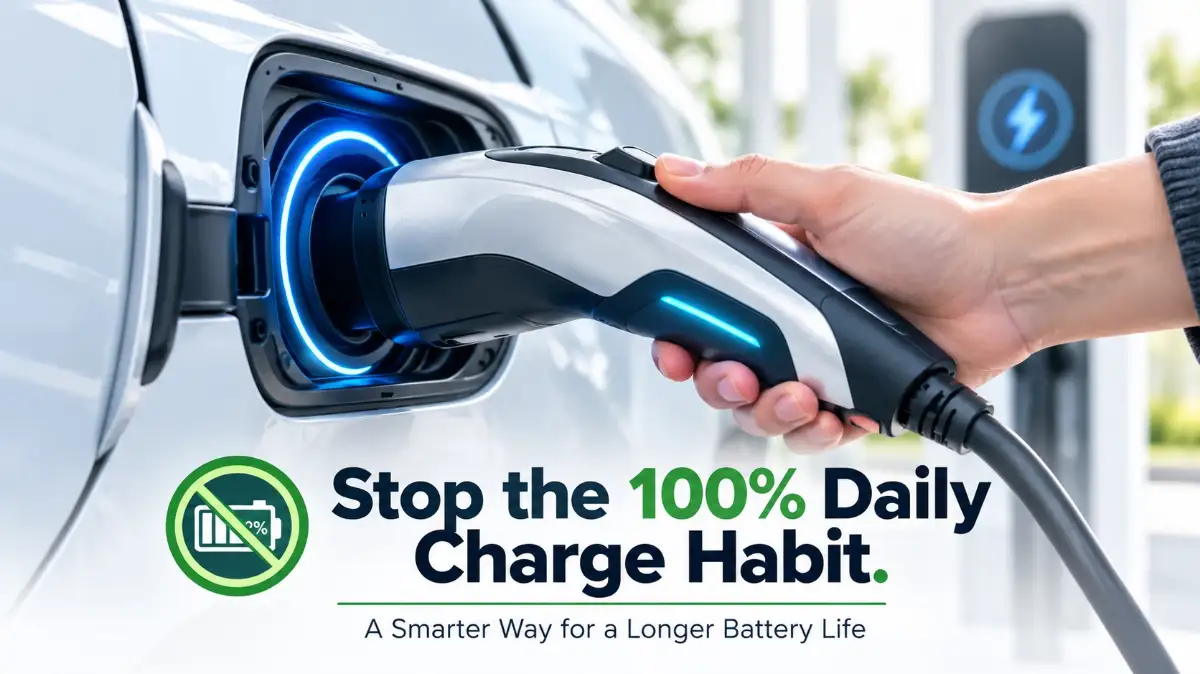
One of the biggest mistakes I made was obsessing over having a full "tank" every morning. While it feels good to see that 100% on the dashboard, it’s actually quite stressful for your car's battery. Most electric cars use lithium-ion batteries, which are similar to the ones in your phone or laptop. These batteries don't like to be completely full or completely empty for long periods.
When you push a battery to 100%, you are essentially forcing the ions into a very tight space. This creates internal heat and pressure that can wear down the battery cells over time. Think of it like a rubber band; if you keep it stretched to its absolute limit every day, it eventually loses its snap. It is much better to keep your car's charge between 20% and 80% for your daily driving needs.
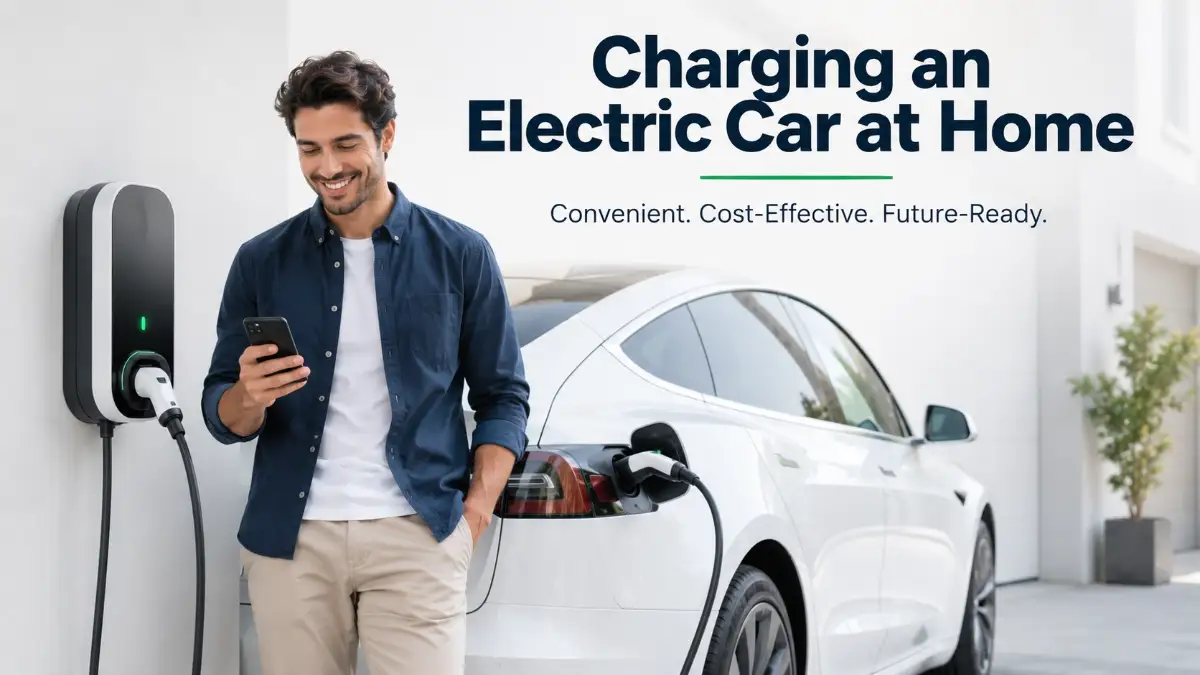
Most modern EVs actually allow you to set a charging limit in the settings menu. I started setting mine to 80%, and I only charge to 100% when I know I have a very long road trip ahead of me. This small change can add years to your battery’s life and keep your charging speeds much faster. You might want to check out this guide on The Ultimate Beginner's Guide to Charging an Electric Car at Home to see how to set these limits.
The Hidden Danger of Frequent DC Fast Charging
I used to be a "fast charging addict" because I loved the speed and convenience. It felt amazing to get a huge boost of power in just twenty minutes while I grabbed a coffee. However, I didn't realize that this speed comes at a cost to the battery's long-term health. DC fast chargers pump a massive amount of electricity into the car very quickly, which generates a lot of heat.
Heat is the number one enemy of any battery, especially the large ones in our cars. While EVs have cooling systems to manage this, they can't completely stop the wear and tear from frequent fast charging. If you use fast chargers every single day, you might notice your peak charging speeds starting to drop. The car's computer will eventually slow down the intake to protect the battery from further damage.
I now try to use my Level 2 home charger for about 90% of my charging needs. It’s slower, but it’s much gentler on the battery chemistry. I save the fast chargers for when I am actually traveling or in a real hurry. Keeping the battery cool is the secret to maintaining that "new car" performance. Research from SAE International shows that thermal management is the most important factor in battery longevity.
Pro Tip: I once made the mistake of fast charging my car immediately after a long highway drive in the middle of summer. The battery was already hot, and adding that high-voltage power made the fans scream like a jet engine. Now, I always let the car sit for a few minutes to cool down before plugging into a fast charger.
Letting Your Battery Drop to Zero Percent
Just like charging to 100% is bad, letting your battery sit at 0% is equally dangerous. When a battery reaches a very low state of charge, the chemical reactions inside can become unstable. If you leave your car at 0% for a few days, it might even "brick," meaning the battery could become unusable. Most cars have a "buffer" to prevent this, but you shouldn't rely on it.
I used to play "range chicken," seeing how low I could go before I absolutely had to plug in. This was a stressful way to live and it was hurting my car's performance. Now, I try to plug in whenever I hit the 20% mark. This keeps the battery in its "happy zone" and ensures that I always have enough power for an emergency.
Maintaining a healthy middle ground is the best way to ensure your car stays responsive. When a battery is very low, the car might even limit your power output to save energy, making the car feel sluggish. By staying above 20%, you ensure the car always has the "zip" you expect when you hit the pedal.
The most interesting part of EV ownership is learning how to treat the battery like a living thing that needs care.
Ignoring the Impact of Extreme Temperatures
Many people don't realize that the weather outside has a massive impact on how their car charges. Lithium-ion batteries are very sensitive to both extreme heat and extreme cold. If it’s freezing outside, your battery’s internal resistance increases, which makes charging much slower. On the flip side, extreme heat can cause the battery to degrade much faster if it’s charged while hot.
I live in an area where the summers get very hot, and I used to charge my car in the direct sun. I noticed that the charging speed would drop significantly after about ten minutes. This was because the car was trying to protect itself from overheating. Now, I always try to find a shaded spot or charge inside my garage during the hottest parts of the day.
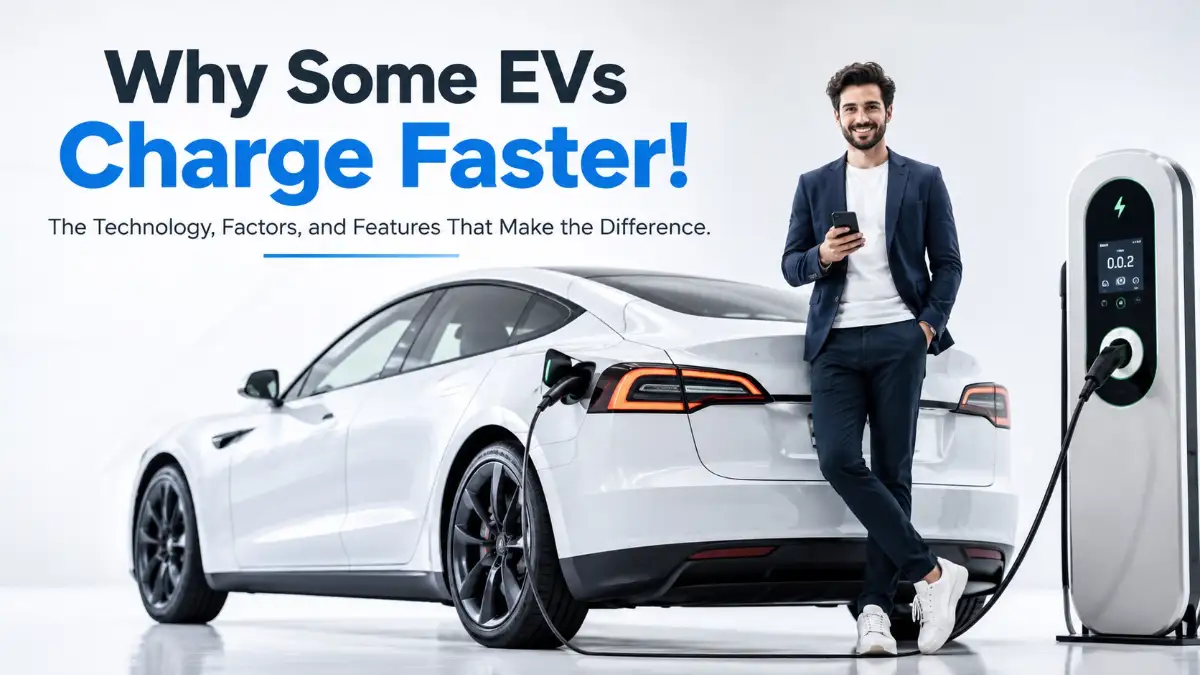
In the winter, I use a feature called "pre-conditioning" if my car has it. This warms up the battery using wall power before I start charging or driving. This makes the battery much more efficient and helps it take in power at a faster rate. Understanding how temperature affects your car is a big part of Why Some Electric Cars Charge Faster Than Others (And How to Speed Yours Up).
Using Poor Quality or Damaged Charging Cables
It might seem like any cable will do, but the quality of your charging equipment matters a lot. I once tried to save money by buying a cheap, third-party mobile charger I found online. Within a week, the handle started getting incredibly hot to the touch, and my car would often stop charging in the middle of the night.
Low-quality cables often have thinner wires that create more resistance. Resistance creates heat, and as we’ve discussed, heat is bad for your car. Not only does this slow down your charging, but it can also be a fire hazard. It is always better to stick with high-quality, certified equipment from reputable brands or the car manufacturer itself.
I also learned to check my cables regularly for any signs of wear or fraying. Even a small nick in the insulation can cause problems. Keeping your charging pins clean is also helpful; if dirt or debris gets into the connector, it can prevent a solid connection. A clean, high-quality connection ensures that the electricity flows smoothly and quickly into your battery.
Leaving Your Car Plugged In at 100% for Too Long
This was a habit I had to break early on. I used to go away for weekend trips and leave my car plugged in at 100% the whole time. I thought I was being responsible by making sure it was ready when I got back. However, leaving a battery at a high state of charge for long periods causes "voltage stress."
This stress leads to tiny cracks in the battery electrodes over time. If you aren't going to use your car for a few days, it is much better to leave it at around 50% charge. This is the most stable state for the battery chemistry. Most manufacturers recommend this for long-term storage as well.
I now use the "scheduled charging" feature in my car's app. I set it so that the car finishes charging just before I plan to leave for work. This way, the battery spends the least amount of time possible at a high state of charge. It’s a simple automation that has made a huge difference in my peace of mind.
Comparing EV Charging to Filling a Gas Tank
One of the mental hurdles I had to jump was the "gas station mentality." We are used to waiting until the tank is empty and then filling it all the way up. With an EV, it is much better to "top off" throughout the day if you have access to a charger. Small, frequent charges are generally easier on the battery than going from 0 to 100 in one go.
Think of it like snacking throughout the day versus eating one giant, heavy meal. Your body (or your battery) handles the smaller portions much better. This approach also means you spend less time waiting at a charger because you are never starting from zero. It changes the way you think about your daily routine and makes the "slow" charging times much less of an issue.
According to a study by Geotab, EVs that are frequently topped up rather than deep-cycled show significantly less battery degradation over a five-year period. This data really helped me feel better about my new charging habits. It’s all about working with the technology rather than against it.
The Importance of Software Updates for Charging
I used to ignore those "Software Update Available" notifications on my car's screen. I thought they were just for the navigation system or the radio. I was wrong. Many of these updates actually include improvements to the Battery Management System (BMS). This is the computer that controls how your car charges and protects the battery cells.
Manufacturers are constantly learning more about how their cars perform in the real world. They often release updates that optimize the charging curve, making it faster and safer. One update I finally installed actually increased my fast-charging speed in cold weather by about 15%. It was like getting a free upgrade for my car just by clicking a button.
Now, I make sure to install updates as soon as they are available. It’s one of the easiest ways to keep your car performing at its best. It shows that owning an EV is a dynamic experience where the car can actually get better over time. You just have to be willing to keep the software current.
Not Pre-Conditioning Your Battery Before Fast Charging
This is a mistake that many new EV owners make, and I was one of them. If your car knows you are going to a fast charger, it can often heat or cool the battery to the perfect temperature before you arrive. This is called "pre-conditioning." If you just show up at a charger with a cold battery, the speed will be very slow for the first 15 or 20 minutes.
Most cars will start this process automatically if you use the built-in navigation to route to a charging station. I used to just use my phone's GPS, so the car had no idea we were going to charge. Once I started using the car's native map, my fast charging sessions became much more efficient. I stopped wasting time waiting for the battery to warm up while plugged in.
It’s a small detail, but it makes a huge difference in how you experience long trips. It turns a 45-minute stop into a 25-minute stop. Efficiency is the name of the game when it comes to electric driving, and this is one of the best tools you have.
How to Check Your Battery Health Yourself
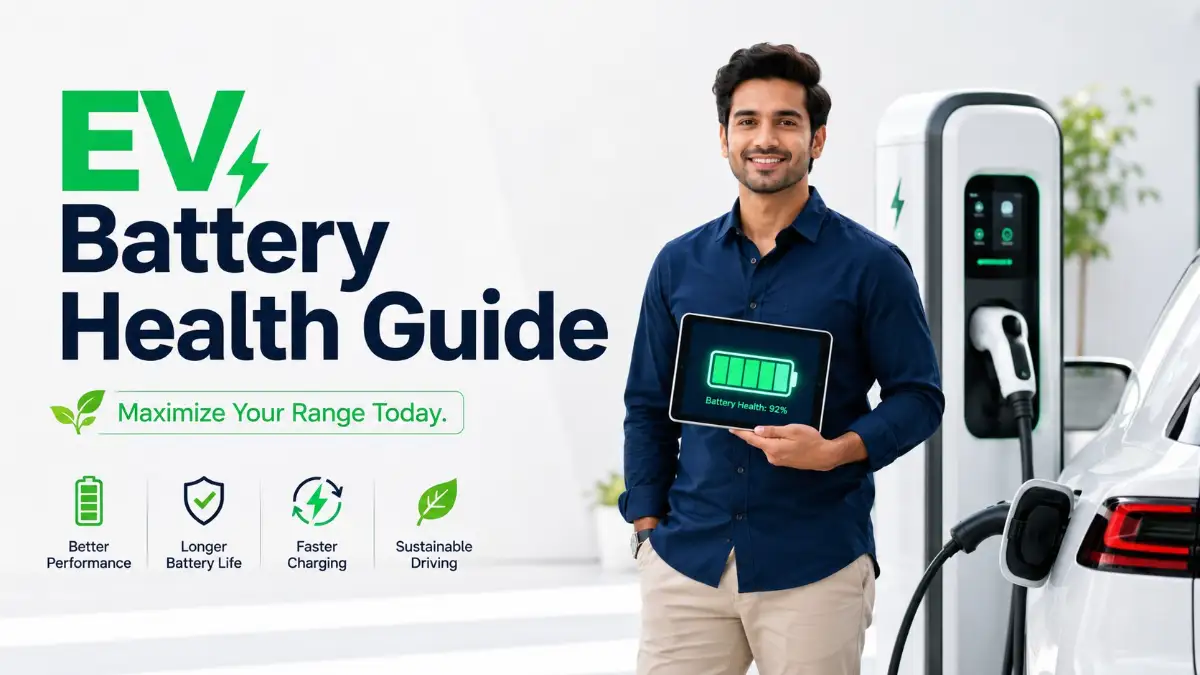
I used to worry constantly about my battery health until I learned how to monitor it. Many EVs have a hidden menu or a third-party app that can show you the "State of Health" (SOH) of your battery. This is usually a percentage that compares your current capacity to when the car was brand new.
Seeing that my battery was still at 98% after a year of driving really calmed my nerves. It showed me that my new habits were working. You don't need to be a mechanic to understand these numbers. Most of the time, the car will give you a simple "Great," "Good," or "Service Required" rating.
Checking this once every few months is a good way to catch any issues early. If you see a sudden drop in health, it might be a sign of a faulty cell rather than just wear and tear. Being an informed owner helps you have better conversations with the service department if you ever do have a problem. Knowledge is power, especially when it comes to the expensive battery in your car.
Keeping Your Car Healthy: What We Learned So Far
Taking care of an EV battery isn't hard, but it does require some new knowledge. By avoiding 100% charges every day, limiting fast charging, and being mindful of temperatures, you can keep your car feeling like new. These small changes in your daily routine will save you a lot of money and frustration in the long run.
In the next part, we will look at even more technical tips and some common myths that might be leading you astray. We will also talk about how your driving style impacts your charging needs. Stay tuned to learn how to master your electric vehicle and enjoy the best performance possible every time you hit the road.
Master Level Habits for Your Electric Car
Now that we have covered the basics, I want to share some deeper secrets I have learned over the years. Owning an electric car is a journey, and you learn something new every day. I used to think I knew everything after the first month, but I was wrong. There are some advanced ways to keep your battery healthy that most people never talk about.
One thing I started doing is paying attention to my home charging speed. Most people just plug in and let the car take as much power as it can. However, I found that lowering the "Amps" in my car's settings helps keep the battery cool. If you don't need the car ready in two hours, why rush it? A slower flow of electricity is like a gentle rain for your battery instead of a high-pressure hose.
I also realized that where I park while charging makes a huge difference. In the summer, the ground can get incredibly hot. If I charge my car on a hot driveway in the direct sun, the battery temperature spikes. Now, I try to charge in the shade or late at night when the air is much cooler. It keeps the cooling system from working too hard, which saves energy and prevents wear.
Another pro secret involves regenerative braking. I used to think of it only as a way to stop the car. But I learned that it is actually a mini-charging session every time you lift your foot off the pedal. If you learn to drive smoothly, you can keep your battery at a more stable state of charge. This reduces the need for heavy plug-in sessions later on.
I spent a lot of time reading data from the U.S. Department of Energy about how smart grids work. They explain that charging when the grid is less busy is better for everyone. I set my car to start charging at 2 AM. Not only is the electricity cheaper, but the power flow is often cleaner and more stable.
If you are curious about the science behind all this, you should check out my other guide on The Ultimate Beginner's Guide to EV Battery Health and Range. It goes into detail about how the chemistry works inside those metal cells. Understanding the "why" helped me stick to these habits much better.
The "Halfway" Rule for Long Breaks
I once had to leave my car for three weeks while I went on a trip. I wasn't sure if I should leave it plugged in or not. I did some digging and found that batteries love the 50% mark. It is the most relaxed state for the lithium ions. They aren't crowded at the top or bottom of the scale.
I left my car at exactly 50% and unplugged it. When I came back, the battery hadn't lost even 1% of its charge. It felt like the car had just been taking a nice, long nap. If I had left it at 100%, the internal pressure would have been high the whole time. That kind of stress adds up over the years and slows down your performance.
I also make it a point to check my charging port for any dust or tiny rocks. It sounds silly, but even a little bit of dirt can cause a bad connection. A bad connection creates heat, and we already know that heat is the enemy. I use a simple can of compressed air to blow out the port once a month. It’s a five-second job that gives me a lot of peace of mind.
Most people forget that the 12-volt battery in an EV still needs love too. This is the small battery that runs your lights and screen. If you let your main battery get too low, it can't keep the small battery charged. I’ve seen people get stranded with a full main battery just because the tiny 12-volt one died. Keep your car above 20% to make sure everything stays powered up.
The Dangerous Traps Most Owners Fall Into
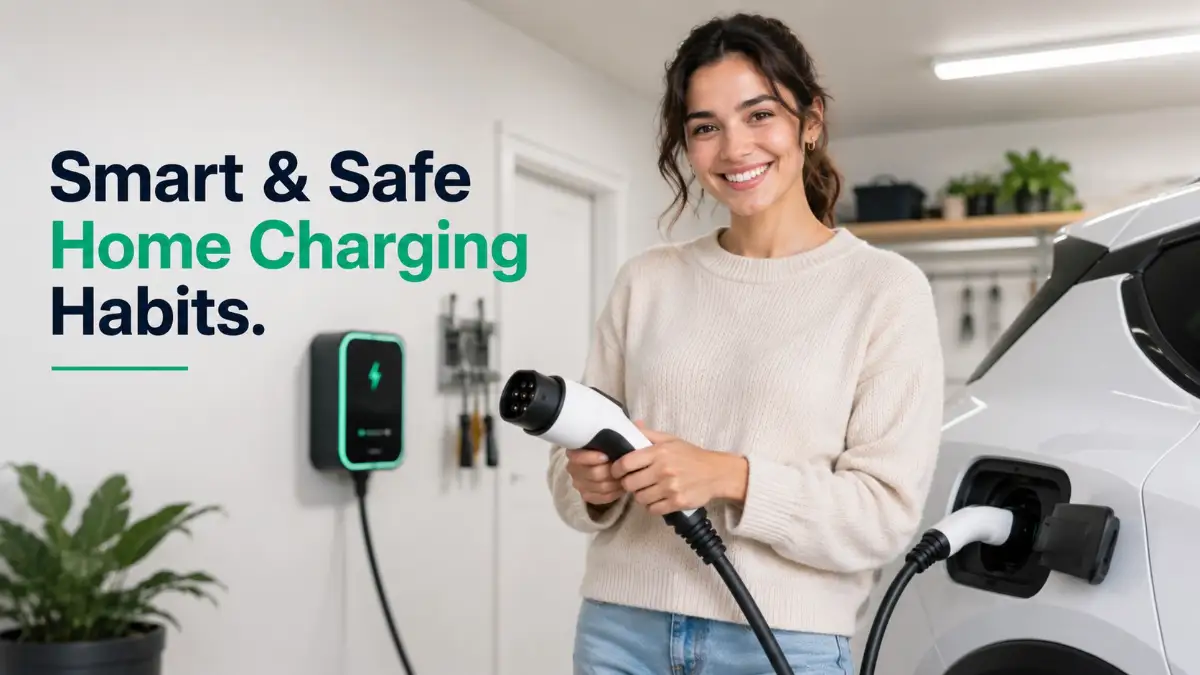
I want to be very honest with you about some mistakes I see people making every day. These aren't just small errors; they are habits that can cost you thousands of dollars in the long run. One of the scariest things I see is people using cheap extension cords to charge their cars. I once saw a cord actually melting because it couldn't handle the power flow.
Electric cars pull a lot of energy for a long time. A standard orange extension cord from a hardware store is not built for that. It can start a fire or damage your car's expensive charging computer. If you must use a cord, it has to be a heavy-duty, high-gauge version designed for high-power appliances. But honestly, it is always better to just plug directly into a wall outlet.
Another mistake is trusting the "Estimated Range" too much. We often call this the "Guess-o-meter" in the EV world. It changes based on how you drove in the last ten miles. I’ve seen people get stuck because they thought they had 50 miles left, but they were driving uphill against the wind. This leads to "Deep Discharging," where you push the battery to 0% just to get home.
Doing this repeatedly is like putting your battery through a marathon every day without a break. It wears out the chemistry much faster than normal driving. I felt so bad for a friend of mine who did this until his car's total range dropped by 10%. He was devastated, and there was no way to "undo" that damage. You have to be careful from day one.
The Silent Killer: Heat and High Speed
I used to love showing off how fast my electric car could go. The instant torque is addictive, and it’s hard not to floor it at every green light. But I learned that heavy acceleration followed by immediate fast charging is a terrible combination. It creates a "Heat Sandwich" for your battery that it can't easily escape.
When you drive fast, the battery gets hot. When you fast-charge, it gets even hotter. If you do this all the time, you are basically "cooking" your battery from the inside out. I noticed my car's performance felt a bit "sluggish" after a long day of fast driving and fast charging. It was the car's way of telling me to slow down and let things cool off.
I also see people ignoring their cooling fluid. Yes, most EVs have a liquid cooling system for the battery. If that fluid gets low or old, your battery won't be able to stay in its safe temperature zone. Check your owner's manual to see when that fluid needs to be inspected. It’s a small maintenance step that keeps the "heart" of your car beating strong.
There is a lot of bad advice on the internet about "cycling" your battery. Some people say you should drain it to zero and then charge to 100% to "calibrate" it. This is a huge myth that comes from old battery technology. For modern lithium-ion batteries, this is actually harmful. If you want to know the truth about these myths, take a look at Myth or Fact? The Ultimate Truth About EV Batteries Exposed.
A New Way to Look at Your Car
To wrap things up, I want you to think of your electric car as a long-term partner. It isn't just a machine that you use and throw away. If you treat it with a little bit of respect, it will reward you with amazing performance for many years. I have changed my habits completely, and my car feels just as fast today as it did when I first got it.
You don't have to be perfect every single time. It’s okay to charge to 100% for a road trip. It’s okay to use a fast charger when you are in a rush. The key is to make the good habits your normal routine. If you do the right things 90% of the time, your battery will be just fine.
I feel so much more confident now that I understand how my car works. I no longer have "range anxiety" because I know how to manage my battery. I want you to feel that same freedom and excitement. Start by setting your charge limit to 80% tonight and see how it feels. You might find that you don't even miss that extra 20%.
I truly believe that electric cars are the future, and we are the pioneers. By taking care of our vehicles, we are proving that this technology is reliable and long-lasting. I hope my stories and mistakes help you avoid the same headaches I had. Happy driving, and enjoy the quiet, smooth ride that only an EV can give you!
I honestly believe that a little bit of care today goes a long way tomorrow. I started taking these small steps and it made my driving experience so much better. You have the power to keep your car running like a dream, so why not start right now?
Common Questions About EV Charging Performance
Is it okay to leave my EV plugged in every night?
Yes, it is generally safe to leave it plugged in, as long as you have set a charging limit. Most experts recommend setting the limit to 80% for daily use. This allows the car to manage its own temperature and keep the 12-volt battery topped up without stressing the main cells.
Does fast charging always damage the battery?
Not always, but doing it every single day will speed up battery wear. Think of fast charging as a "power snack" for when you are traveling. For your daily routine, slower Level 1 or Level 2 charging is much better for long-term health.
How do I know if my charging cable is safe?
A safe cable should be cool or only slightly warm to the touch while charging. If the handle or the wire feels hot, or if you smell burning plastic, stop using it immediately. Always look for UL-certified equipment to ensure it meets safety standards. You can read more about battery safety standards at Battery University.
Can I charge my EV in the rain?
Yes, electric car charging systems are designed to be weather-proof. You don't have to worry about getting a shock or damaging the car in a rainstorm. However, try to keep the inside of the charging port as dry as possible when you are plugging and unplugging.
Disclaimer: This article is for informational purposes only. I am sharing my personal experiences and research as an enthusiast. Always consult your vehicle's official owner's manual and follow the manufacturer's specific guidelines for charging and maintenance. Electrical work should be performed by qualified professionals.
About the Author
Munira Parveen is a dedicated Digital Content Strategist and Lead Researcher with a passion for simplifying complex topics. From navigating personal finance and emerging tech trends to uncovering the best practical lifestyle solutions, she spends her time analyzing data to bring readers highly accurate, actionable, and easy-to-understand guides. Her ultimate goal is to empower everyday people to make smarter, more informed decisions in this fast-paced digital world.